
Queen Anne Cabriole Legs
Queen Anne cabriole legs define seating and tables from the eighteenth century onwards, offering curved grace and strength without heavy bracing.
Queen Anne Cabriole Legs
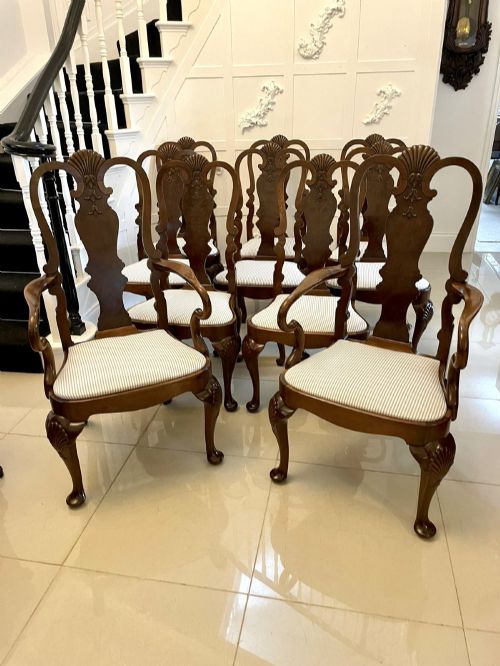
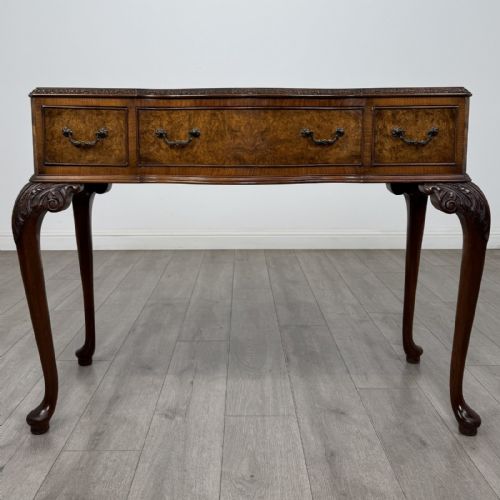
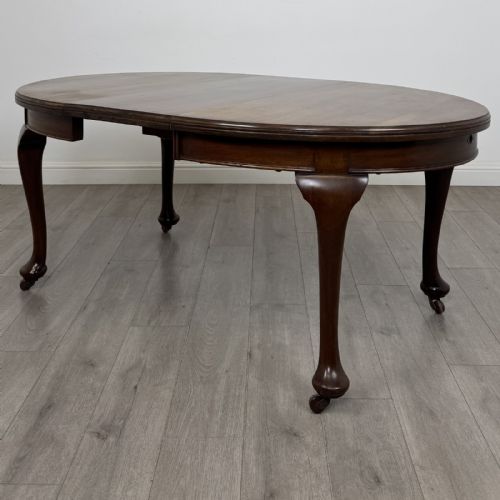
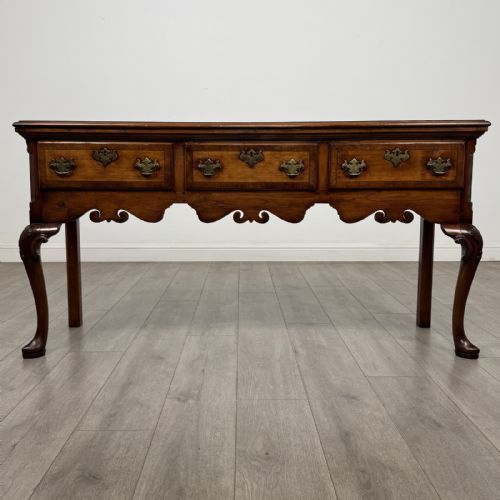
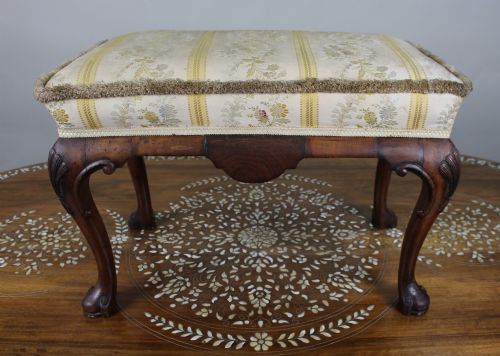
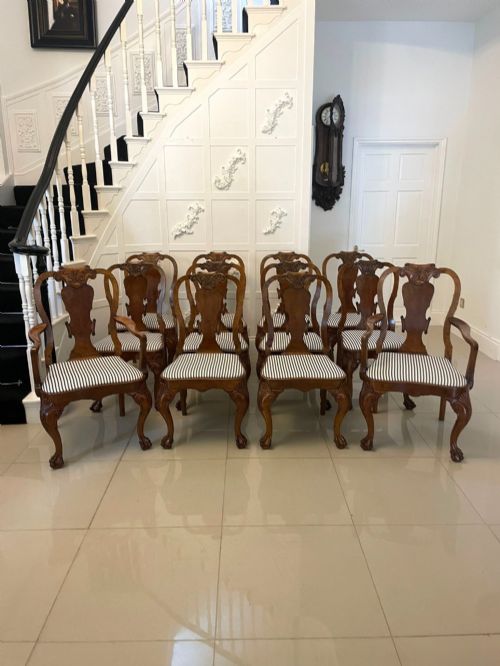
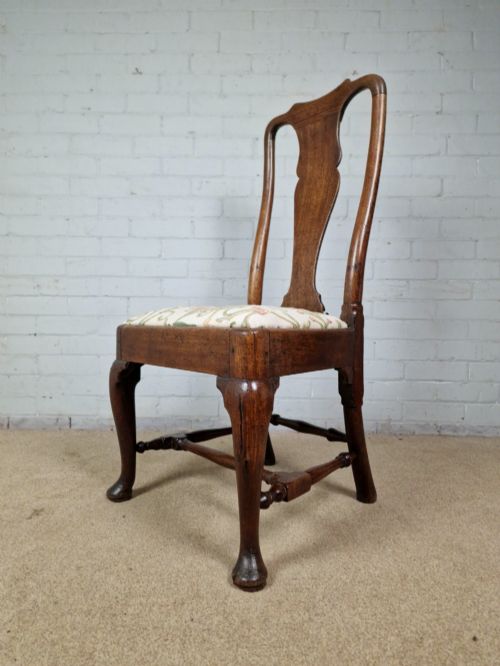
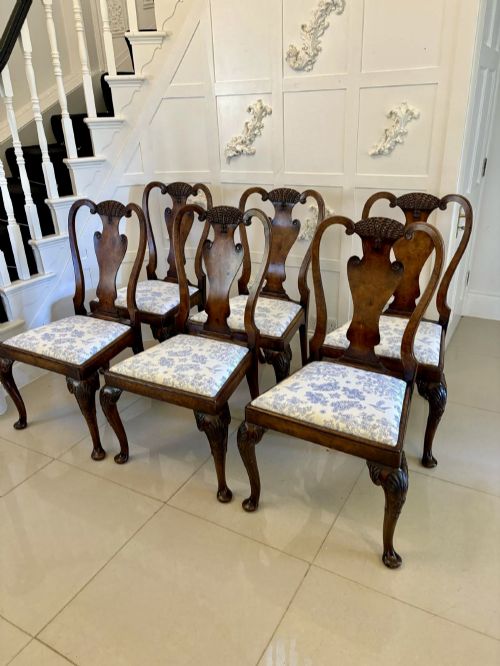
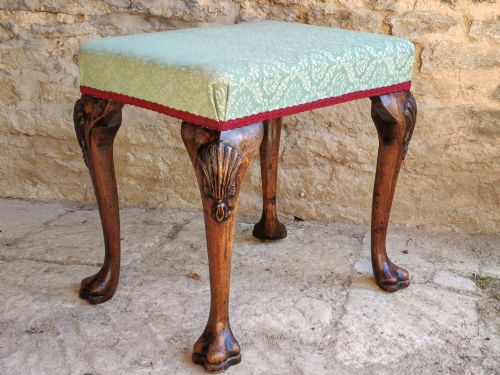
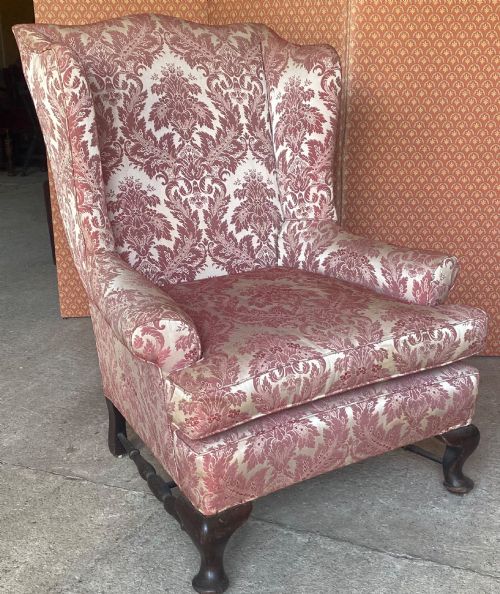
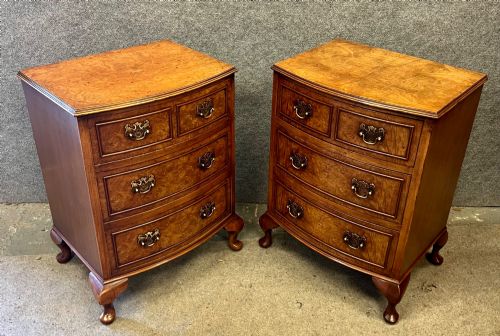
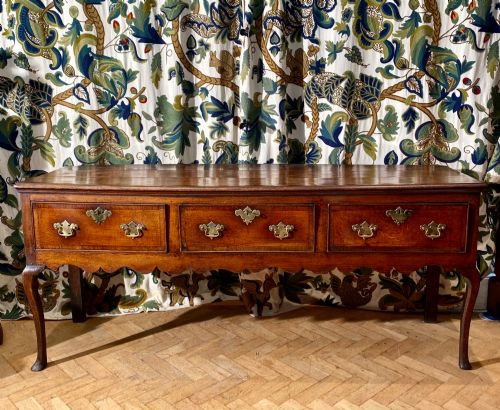
When searching for queen anne cabriole legs, buyers encounter furniture designed around the characteristic double-curved leg, tapering downwards to a foot. The selection spans seating such as armchairs, dining chairs, and stools, alongside tables, desks, and sideboards.
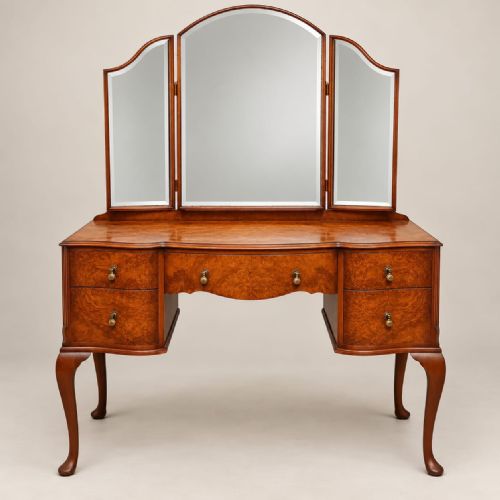
Original eighteenth-century pieces appear alongside nineteenth-century and early twentieth-century revivals. Revival furniture from the Edwardian era, the nineteen-twenties, and the nineteen-thirties is most commonly met on this page.
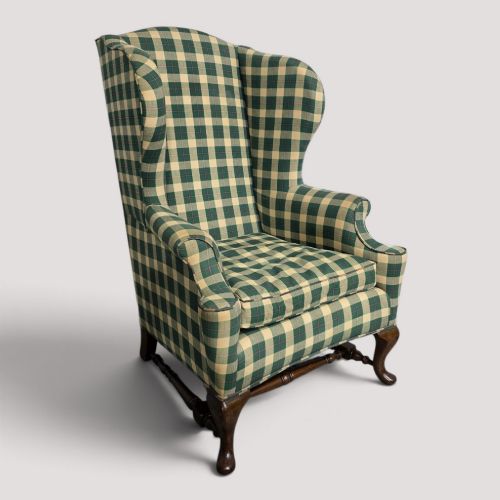
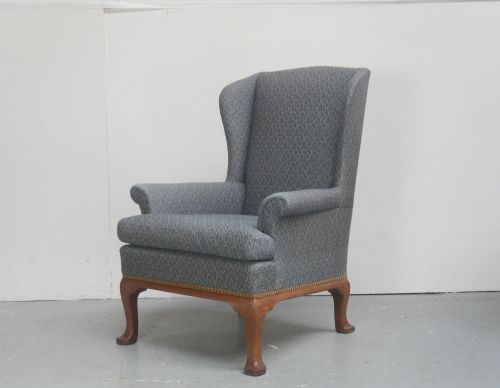
Forms range from large dining tables and wing armchairs to compact side tables and stools. Walnut, burr walnut, and mahogany dominate the structural timber.
What varies in quality
The precision of the leg curve and the symmetry of the carving distinguish finer examples from simpler production. Subtle shaping of the knee and ankle demonstrates superior craftsmanship.
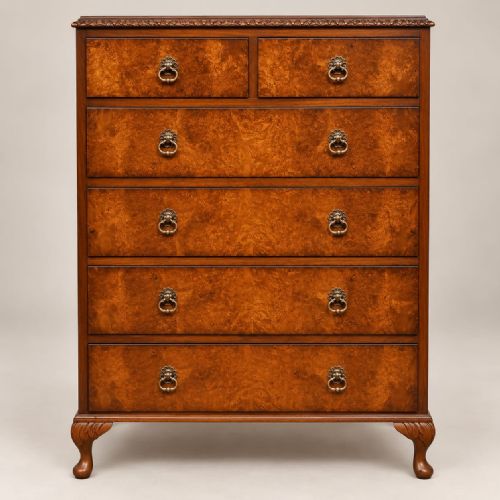
Timber selection plays a central role, with figured burr walnut and rich mahogany veneers marking out the higher tiers of construction. Secondary woods and uniformity of grain alignment reveal the underlying standard of the piece.
Listings feature walnut, burr walnut, mahogany, oak, yew wood, and elm across chairs, desks, tables, and cabinets.
Charles Tozer
The Queen Anne Cabriole Legs Glossary
- Cabriole leg
- A furniture leg that bends outward at the knee and tapers inward toward the ankle, mimicking animal limbs. This form provides structural support without requiring stretchers.
- Burr walnut
- Timber taken from a walnut tree outgrowth, producing intricate, swirling grain patterns. Cabinet makers prized this wood for decorative veneer surfaces.
- Drop-in seat
- A removable upholstered frame that drops into a chair recess. This construction method allows easier reupholstery.
- Bureau on stand
- A writing cabinet raised on a separate table frame with legs. This form lifts the writing surface for comfortable use.
- Wing armchair
- An upholstered seat featuring side panels designed to shield the user from drafts. These chairs frequently stand on cabriole legs.
Queen Anne Cabriole Legs: Frequently Asked Questions
How do I identify a true period piece?
Original pieces from the early eighteenth century exhibit specific timber shrinkage, hand-cut joinery, and patination consistent with age. Examination of secondary woods and construction methods helps distinguish period items from later revivals.
Revival furniture from the Edwardian period and the nineteen-twenties often replicates earlier styles precisely. Checking internal drawer linings and hardware provides further clues to the date of manufacture.
What woods were used for these items?
Walnut and burr walnut are the predominant materials across these listings, offering deep colour and decorative grain. Mahogany appears frequently in desks, dining chairs, and side tables from later centuries.
Elm and yew wood also feature in specific regional or period seating. Secondary timbers like oak or pine are typically found inside drawer boxes and frame linings.
How should I care for walnut furniture?
Keep walnut and burr walnut pieces away from direct sunlight and heat sources to prevent veneer lifting and timber splitting. Regular dusting with a dry, soft cloth maintains the polished surface without moisture damage.
Occasional application of appropriate wax preserves the finish and nourishes the wood. Avoid silicone-based polishes that can degrade historical finishes over time.
Where did the cabriole leg originate?
The cabriole form evolved from ancient Chinese furniture designs, travelling through continental Europe before reaching prominence in British furniture during the reign of Queen Anne. The shape mimics the hind leg of an animal.
By the early eighteenth century, British cabinet makers adopted the curved leg extensively for chairs and tables. Later revival periods in the nineteenth and twentieth centuries enthusiastically re-employed the design.