
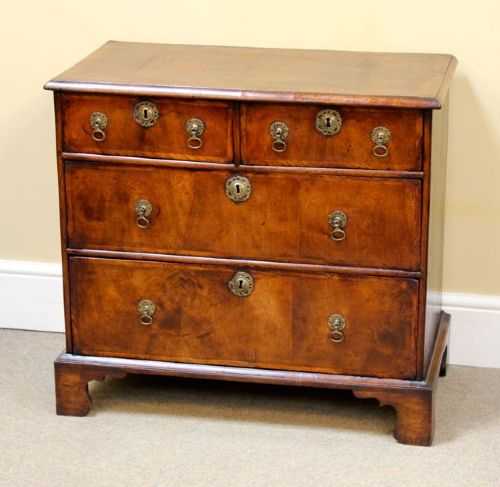
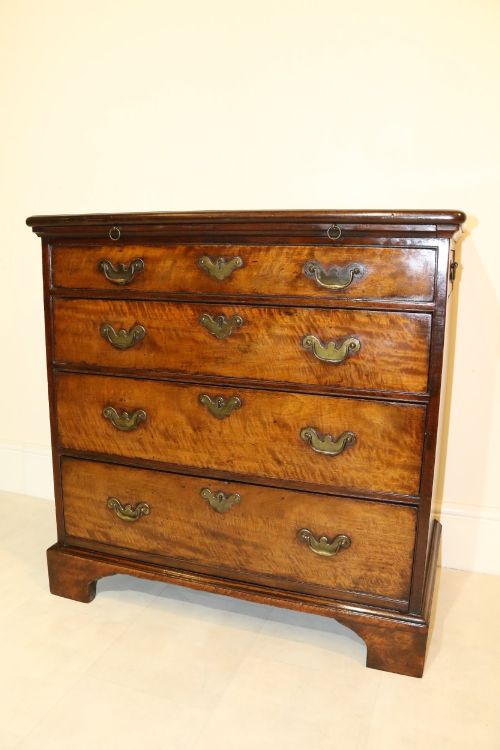
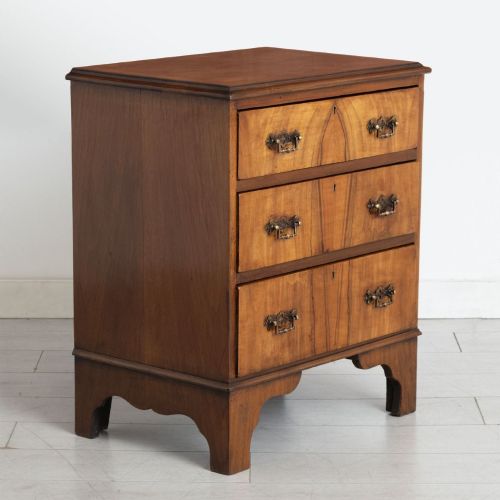
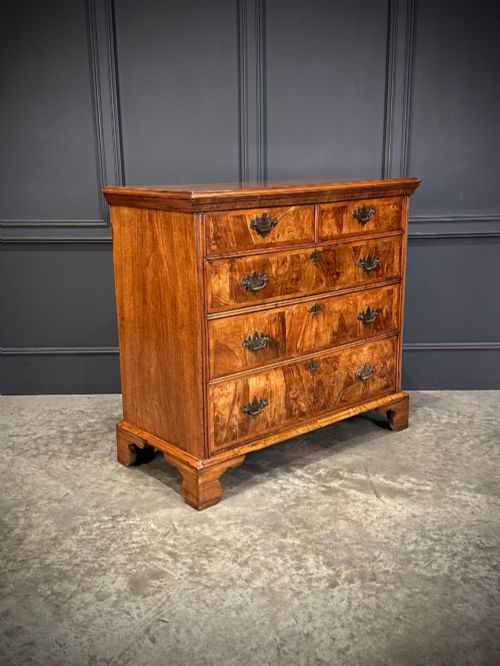


Queen Anne Bachelor Chest
A queen anne bachelor chest is a compact, elegant form of antique furniture prized for its folding writing surface and rich timber figuring.
Queen Anne Bachelor Chest
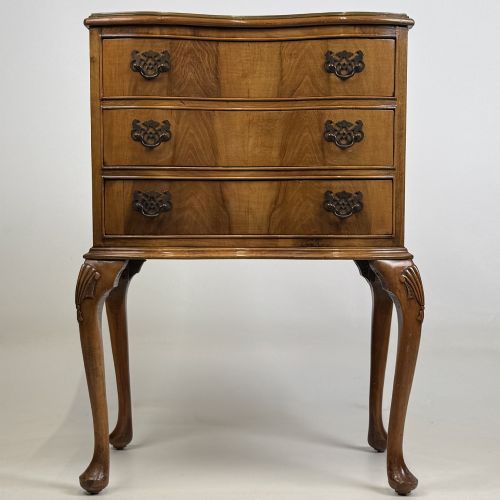
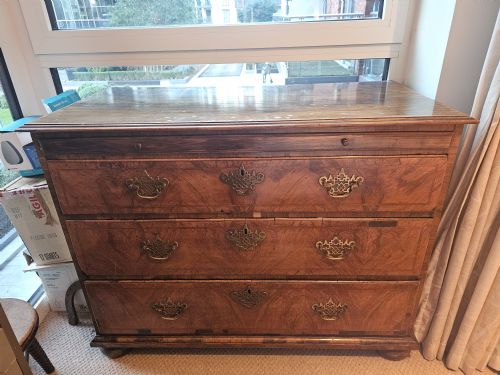
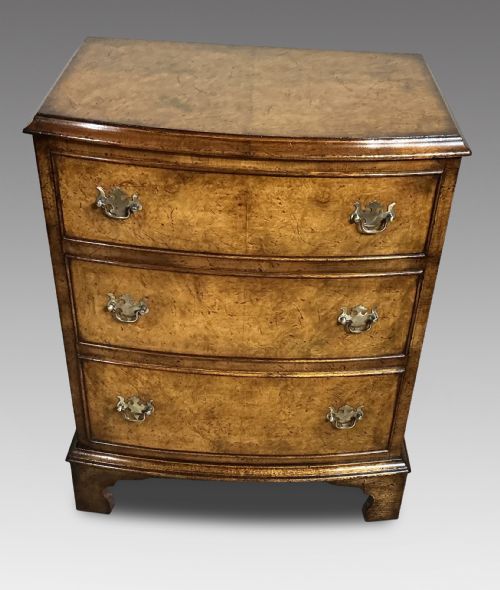
When you search for a queen anne bachelor chest, you are looking at small-scale case furniture designed for compact chambers, featuring a fold-over top or sliding panel above multiple drawers. The pieces you meet on this page span the authentic eighteenth century as well as later revival periods from the early twentieth century.
The forms encompass traditional chests of drawers alongside specialised dressing and writing chests, frequently constructed with modest proportions suitable for contemporary rooms. Walnut dominates the selection, appearing alongside occasional oak examples and revival interpretations that echo the aesthetic of early Georgian craftsmanship.
How they were made
Cabinetmakers constructed these pieces primarily using solid oak or pine for internal carcases and drawer linings, applying fine walnut or burr walnut veneers to the visible exterior surfaces. The characteristic figured grain of the wood was carefully matched across drawer fronts to create a balanced symmetrical pattern.
Brass was utilised for traditional hardware, including drop handles and escutcheons secured with cast pins. Sliding top panels and folding desk flaps relied on precise tongue-and-groove joinery and durable brass hinges to withstand daily use.
What varies in quality
The distinction between ordinary and superior examples lies in the selection of timber and the preservation of the surface finish. Pieces displaying rich natural patination and unblemished burr walnut veneer hold greater visual depth than those with heavily restored or dull surfaces.
Refinement of proportions and the delicacy of the drawer construction further separate standard production from exceptional work. Original brass fittings and smooth operational mechanics for sliding panels demonstrate the high skill of the original cabinetmaker.
The Queen Anne Bachelor Chest Glossary
- Burr walnut
- A specialised timber cut from the abnormal growth knots of a walnut tree, yielding highly decorative swirling grain patterns. Cabinetmakers sliced this wood into thin veneers for the most prominent exterior surfaces.
- Escutcheon
- A protective brass plate surrounding a keyhole to prevent the surrounding wood from wearing away. These fixtures are period-specific indicators of construction style.
- Patina
- The deep surface sheen and mellow colour acquired by wood over centuries of handling, exposure to light and polishing. It serves as a key indicator of age and genuine preservation.
- Veneer
- A thin layer of finely figured wood applied to a secondary structural timber base to provide a decorative exterior without utilising solid expensive hardwoods.
Queen Anne Bachelor Chest: Frequently Asked Questions
What is a bachelor chest?
A bachelor chest is a small chest of drawers that incorporates a folding top or sliding board to serve as a writing desk or dressing surface. It combines compact storage with a practical workspace.
Originating in the eighteenth century, these versatile pieces were built for smaller bedchambers or travelling gentlemen who required a compact writing station.
How do I tell an 18th-century piece from a revival one?
Eighteenth-century examples display authentic hand-cut dovetails, older secondary woods like oak or pine, and natural wear consistent with extensive age. The timber patination develops a deep, soft lustre over generations.
Revival pieces from the twentieth century often utilise standardised machine-cut joints, cleaner internal timbers, and distinct twentieth-century finishing techniques while copying the earlier styles.
What wood are these chests made from?
The primary timber seen in these listings is walnut, frequently enhanced by highly figured burr walnut veneers across the drawer fronts and top panels. Oak also appears in certain sturdy box chests.
Secondary woods such as pine or oak were typically employed for the internal drawer linings and structural carcase frames beneath the decorative veneers.
How do I care for a walnut chest?
Keep the wood away from direct sunlight and heat sources to prevent the delicate walnut veneers from drying out, cracking or lifting. Maintain a stable room temperature and humidity level.
Apply a microcrystalline wax polish occasionally and buff gently with a soft cloth to protect the surface and preserve the natural patina without building up heavy residue.