


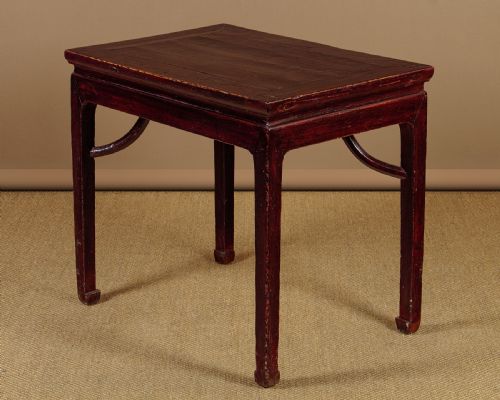


Qing Dynasty Wood Lamp
These qing dynasty wood lamp pieces bring dense rosewood and carved elm into a room, offering functional illumination grounded in centuries of Chinese craftsmanship.
Qing Dynasty Wood Lamp
A qing dynasty wood lamp brings together traditional Asian lighting forms and solid timber construction from the nineteenth century. Buyers seek these pieces to introduce warm wood tones and historical character into modern interiors through repurposed stands and sculptural bases.
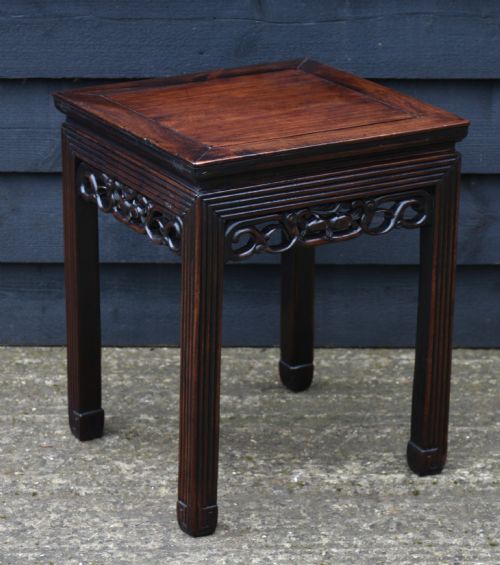
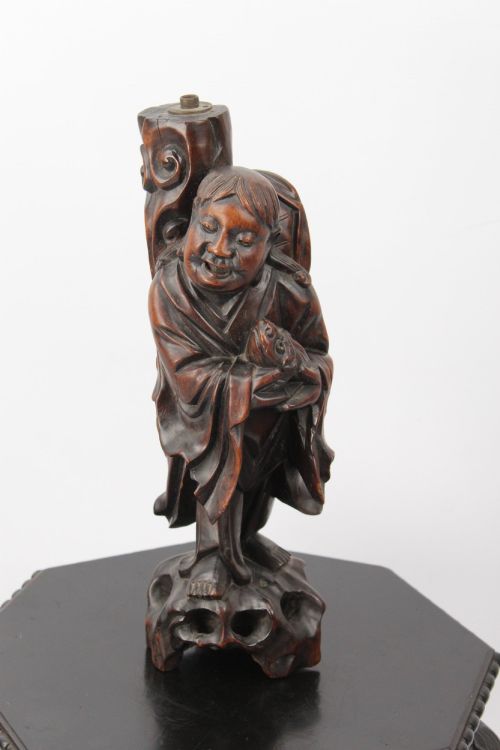
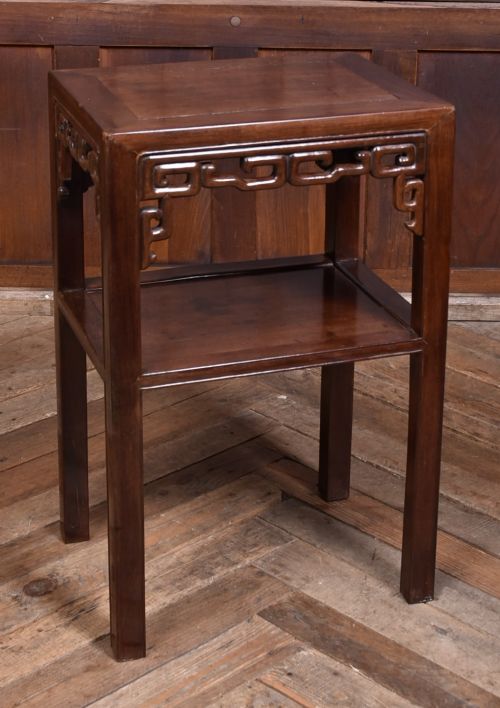
The selection on this page centres primarily on carved hardwood bases, lantern stands, and converted occasional tables that serve practical lighting functions. Elm, rosewood, and root wood recur across the inventory, reflecting the utilitarian and decorative output of the period.
Originating largely from late nineteenth-century workshops, these items range from simple side tables adapted for illumination to elaborate carved dragon torchiere stands. Each piece demonstrates the structural adaptability of traditional Chinese furniture when paired with modern electrical fittings.
Materials and construction methods
Craftsmen utilised dense Asian timbers such as rosewood and elm, valued for their durability and capacity to hold intricate hand-carved details. These heavy woods provide the structural stability necessary for tall lamp stands and heavy occasional tables.
Joinery techniques relied on traditional framing methods without modern adhesives, allowing the timber to expand and contract naturally over decades. Surface finishes often incorporate lacquer or polished wax to highlight the natural grain of the hardwood.
Distinguishing quality in wood lamp pieces
Depth and crispness of hand-carving separate standard items from superior examples, particularly on dragon motifs and floral root wood sections. Sharp undercut details and balanced proportions indicate skilled artisan execution.
The choice of raw material impacts the overall weight and longevity, with dense rosewood and inset marble tops commanding greater presence than lighter elm or standard softwood variants.
The Qing Dynasty Wood Lamp Glossary
- Hardwood
- Dense timber derived from broad-leaved trees, including rosewood and elm used in nineteenth-century Chinese furniture. This material resists warping and supports intricate hand carving.
- Root wood
- Timber sourced from the root burls of trees, selected for its gnarled, organic patterns. Artisans carve these sections into naturalistic lamp bases and sculptural stands.
- Torchiere
- A tall standing lamp designed to direct light upwards toward the ceiling. Nineteenth-century examples often employ carved wooden dragon columns for structural support.
- Jardiniere stand
- A small decorative table designed to elevate potted plants or vases. These sturdy platforms frequently function as lamp tables in contemporary settings.
- Elm
- A resilient domestic timber utilised for traditional Chinese chairs and side tables. It offers a distinct grain pattern and a lighter tone than rosewood.
Qing Dynasty Wood Lamp: Frequently Asked Questions
How do I wire an antique wood lamp?
Wiring typically involves routing a modern electrical cord discreetly through existing internal channels or alongside structural uprights without altering the primary timber.
Professional electricians can fit appropriate lamp holders and contemporary plugs while preserving the structural integrity of the antique base.
What is a root wood lamp base?
A root wood lamp base utilises the gnarled, twisting burls of harvested timber shaped by artisans into organic sculptural forms. These pieces highlight natural grain variations.
Such bases often originate from nineteenth-century Chinese workshops where unusual natural growths were prized for decorative objects.
How do I care for nineteenth-century rosewood?
Rosewood requires minimal intervention, benefiting mainly from occasional dusting with a soft, dry cloth to prevent grit accumulation on carved surfaces.
Avoid placing these items near direct heat sources or strong sunlight to prevent the timber from drying out or splitting.
Are these lamps converted tables?
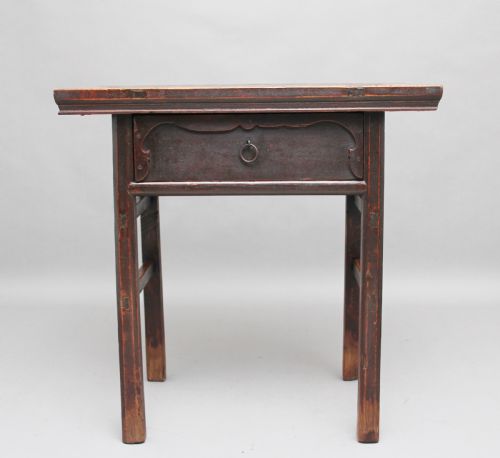
Many items listed as lamp tables began as small occasional tables, jardiniere stands, or lantern supports that were later adapted for illumination.
This adaptive use reflects the historical versatility of Chinese furniture frames designed to hold objects of varying heights.
How do I identify a Qing dynasty piece?
Identification relies on observing traditional construction methods, material density, and characteristic nineteenth-century decorative motifs such as dragons or floral carvings.
Comparing the timber patination and joinery style against established historical examples aids in confirming the production period.