




Traditional Chinese Desk Light
These traditional chinese desk light options bring porcelain, bronze and carved timber into a room, offering warm illumination alongside centuries of hand-crafted character.
Traditional Chinese Desk Light
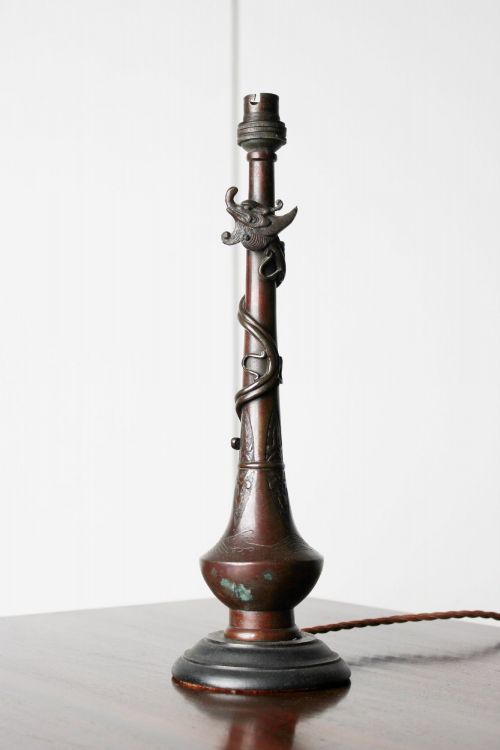
When you search for a traditional chinese desk light, you encounter table lamps converted from 19th Century and early 20th Century porcelain vases, bronze vessels and hardwood stands. The selection here leans heavily toward blue and white porcelain forms, crackleware vases and cloisonné pieces mounted for electrical illumination.
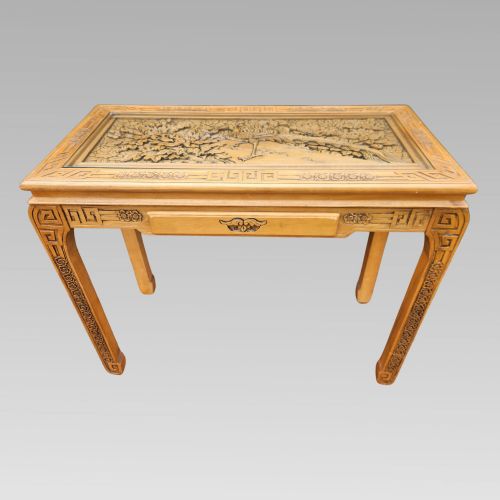
Makers and artisans from the Qing Dynasty and Victorian eras produced these vessels originally as decorative or utilitarian objects, which later found new life as lamps. Alongside the lamps themselves, the evidence includes console tables, side tables and lantern stands fashioned from camphorwood, elm and camphorwood variants.
The styles range from classic Chinoiserie and Chinese Export aesthetics to specific period interpretations from the Edwardian era and the 1920s and 1930s. This mix ensures that a buyer finds both table lamps and matching small furniture to suit a study or reading corner.
How they were made
The construction relies on traditional materials such as porcelain, bronze, brass, silk, fabric, glass and hardwoods like elm and camphorwood. Potters shaped clay on the wheel or in moulds before applying blue and white pigments, crackle glazes or flambe finishes, followed by high-temperature firing.
Metalwork pieces utilise cast bronze and brass elements, often paired with cloisonné wirework inlay or intricate carving. Woodworkers joined camphorwood and elm using traditional joinery techniques to create sturdy side tables and lantern stands designed to hold heavy objects.
Traditional Chinese Desk Light Retail Price Guide 2026
Typical asking prices for traditional chinese desk light among the pieces listed under this phrase on Sellingantiques today, from the lower quarter to the upper quarter. They describe what is for sale here now, not the wider market.
Several vases evidently lived past lives as vessels before someone decided they made rather splendid reading lamps.
What varies in quality
Quality rests upon the crispness of the porcelain painting, the depth of the blue pigment and the control shown in crackleware or flambe glazes. Finer ceramic bodies display precise brushwork and balanced proportions, whereas simpler pieces show more rustic execution.
In the metal and woodwork, the refinement of the carving and the integrity of the bronze casting separate standard items from superior examples. The weight of the metal and the tightness of the joinery in the timber bases indicate the original workshop standards.
The Traditional Chinese Desk Light Glossary
- Chinoiserie
- European interpretation and imitation of Chinese artistic traditions and motifs, popular in decorative arts and furniture design. It manifests in painted scenes and decorative flourishes on various objects.
- Cloisonné
- Enamelwork technique where thin metal wire is soldered to a metal base to form compartments, which are then filled with paste and fired. This method creates vibrant, patterned surfaces on vases and vessels.
- Crackware
- Ceramic finish featuring a network of fine cracks intentionally created in the glaze during cooling. It adds a textured, aged appearance highly valued in traditional pottery.
- Flambe
- Rich, streaky glaze effect produced by metallic oxides fired in a reduced oxygen atmosphere. The technique yields unpredictable, mottled pools of colour across the ceramic surface.
Traditional Chinese Desk Light: Frequently Asked Questions
What is a traditional chinese desk light?
A traditional chinese desk light typically combines an antique ceramic vase, bronze vessel or carved wooden stand with modern electrical fittings. These pieces repurpose historical items into functional illumination for a desk or side table.
They bring distinct historical presence to a workspace, merging period craftsmanship with everyday utility.
How do I date a lamp or vase?
Dating relies on examining the characteristics of the porcelain, glaze type, metal casting style and the accompanying woodwork. Victorian, Edwardian and Qing Dynasty markers help narrow the period of origin.
Sellers often reference specific decades such as the 1920s or 1930s based on construction details and mounting styles.
Were these lamps originally made for lighting?
Many ceramic vases and bronze vessels started as decorative objects, storage jars or ritual items before conversion into lamps at a later date. Lantern stands and certain specialised pieces were built to hold light sources originally.
The conversion process adapts antique bodies to house electrical wiring safely while preserving the exterior artistry.
How do I care for antique ceramic lamps?
Dust the porcelain and bronze surfaces gently with a soft, dry cloth to prevent accumulation. Avoid harsh chemical cleaners that might damage historical glazes or patinated metal.
Check the electrical components periodically to ensure safe operation, especially on older conversions.