

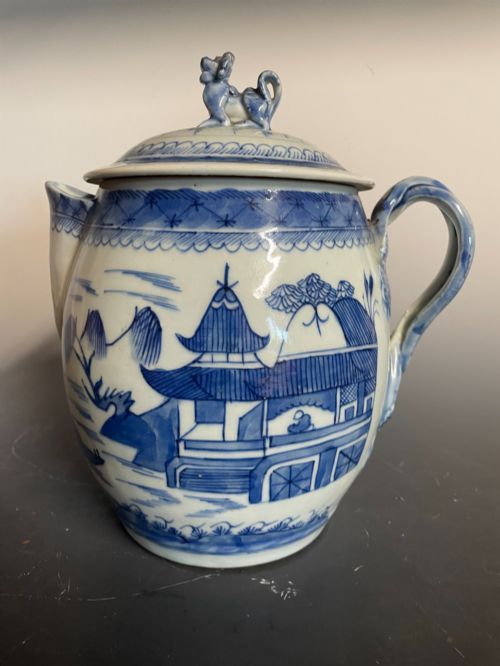
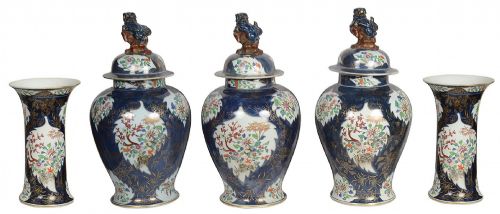


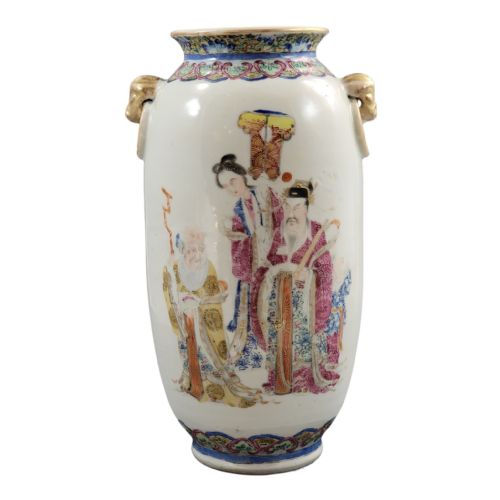


Qing Dynasty Porcelain Jar
When you search for a qing dynasty porcelain jar, you encounter vessels of enduring utility and rich ceramic tradition.

Qing Dynasty Porcelain Jar
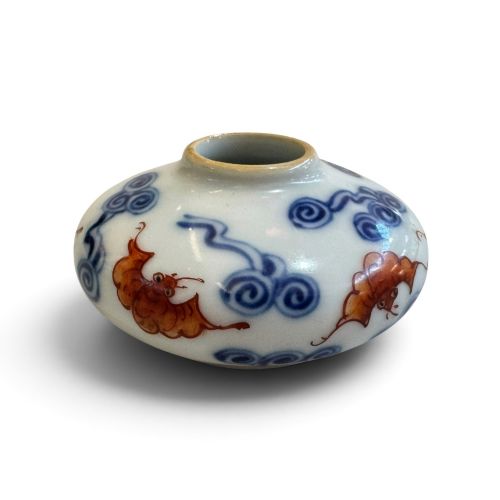
A qing dynasty porcelain jar encompasses ginger jars, lidded vessels, and baluster forms originating from China across the eighteenth and nineteenth centuries. These pieces served practical storage functions as well as decorative roles within scholar's objects and elite households.
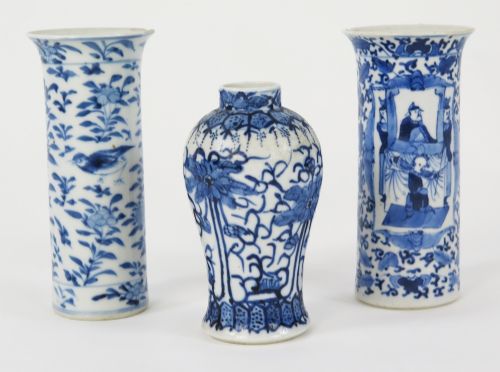
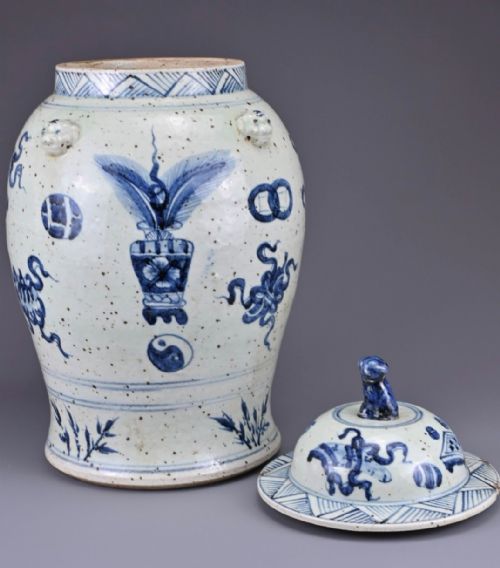
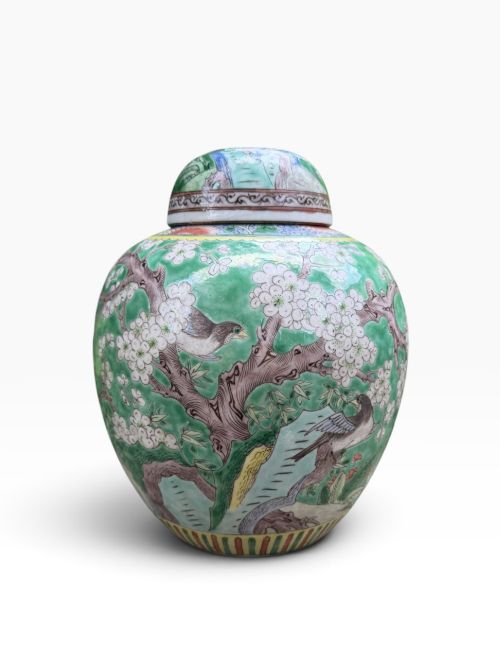
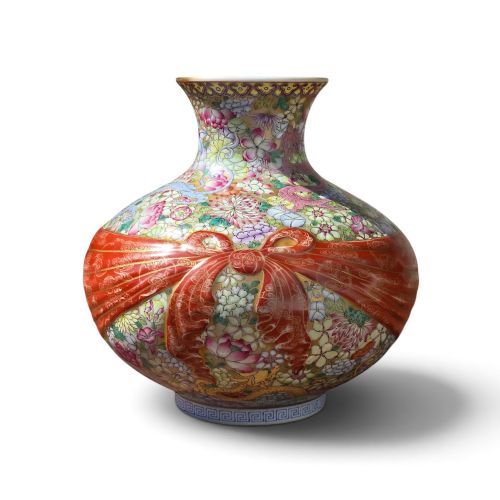
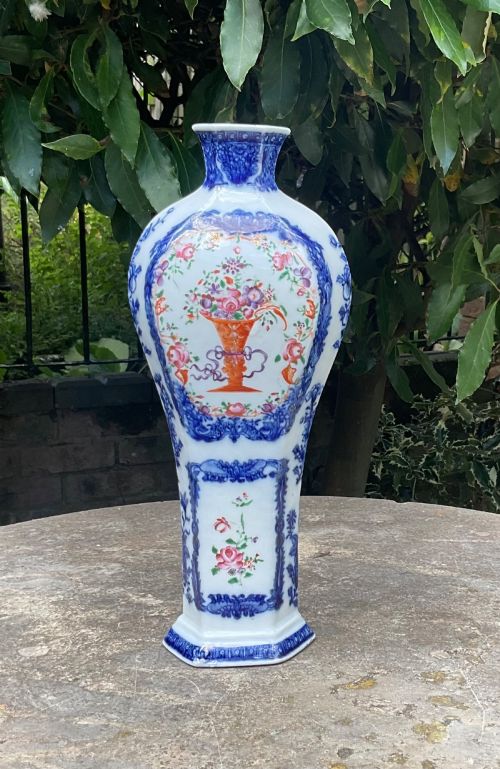
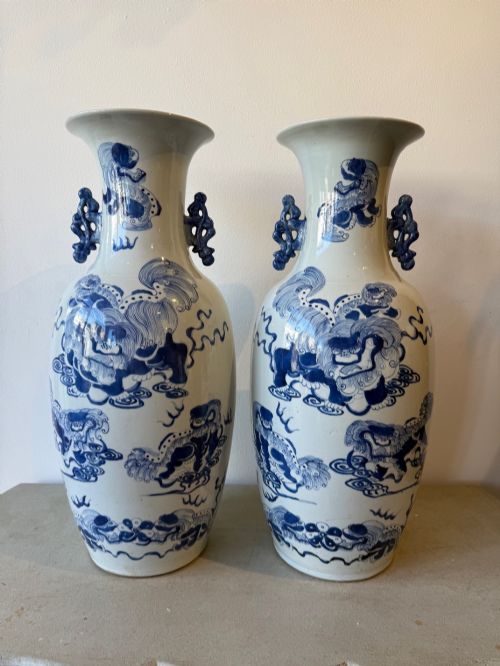
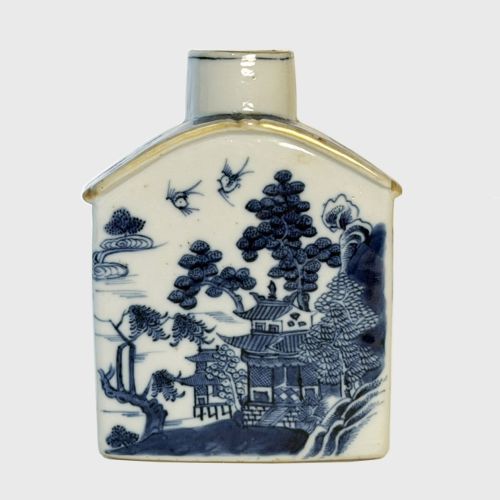
You are most likely to meet nineteenth-century examples on this page, including blue and white porcelain jars alongside Famille Rose and Famille Verte specimens. Many pieces retain covers, while others have been adapted into table lamps over time.
The selection ranges from traditional Chinese export wares to monumental floor vases and smaller ginger jars bearing cobalt glaze or enamel decoration. These vessels reflect the enduring legacy of imperial kilns and later commercial workshops.
How they were made
Potters shaped these vessels from ceramic and porcelain clay bodies, applying mineral glazes such as cobalt blue, celadon, and tea dust before kiln firing. Skilled artisans painted intricate motifs by hand, utilising iron-red, enamel pigments, and occasionally adding gold leaf highlights.
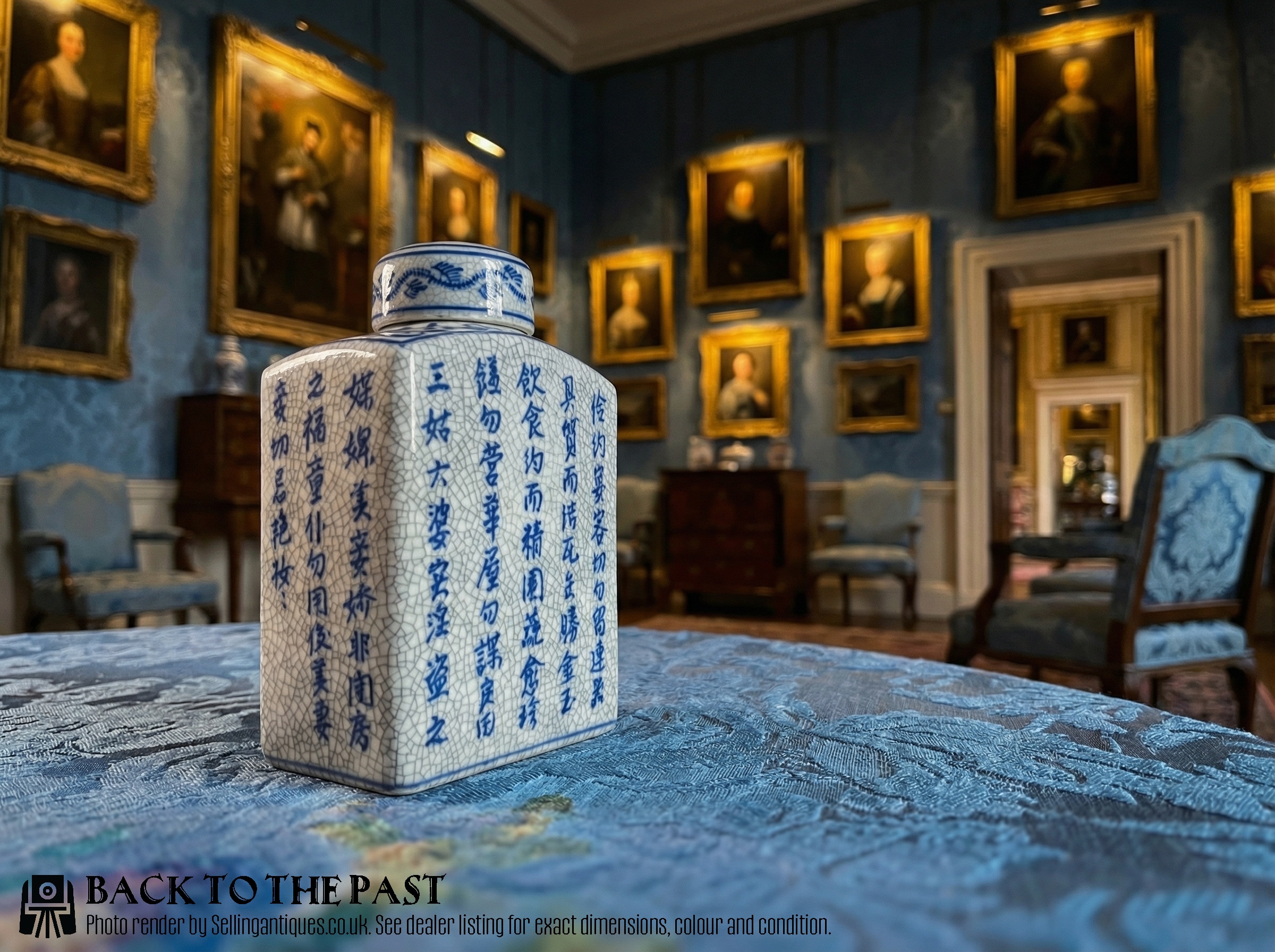
Many jars received underglaze blue decoration, where cobalt pigment was applied directly to the clay body and sealed beneath a transparent glaze. Subsequent enamelling techniques like Famille Rose and Famille Verte involved painting over the fired glaze and fixing the colours in a second, lower-temperature kiln.
One persistent nineteenth-century jar retains its original wooden lid alongside a brass mount, proving that even ginger jars appreciated a good hat.
What varies in quality
The distinction between ordinary and exceptional work lies in the precision of the hand-painting and the depth of the glaze. Master artisans achieved vibrant, finely detailed cobalt blue tones and delicate enamel brushwork that elevate certain jars above standard commercial production.
Proportion and potting weight also define the hierarchy of these vessels, with superior jars displaying balanced symmetry and well-formed covers that sit flush with the rim. The clarity of underglaze marks and the refinement of the ceramic body separate everyday utility pieces from fine scholar's objects.
The Qing Dynasty Porcelain Jar Glossary
- Famille Rose
- A palette of opaque enamel colours dominated by pink or rose hues, introduced during the Qing dynasty. This technique allowed for nuanced shading and detailed floral or figural compositions.
- Famille Verte
- A translucent green-dominant enamel palette utilised on Qing porcelain, often combined with iron-red, yellow, and blue. It creates vibrant, multi-coloured decorative schemes across jars and vases.
- Ginger Jar
- A high-shouldered, wide-bodied storage vessel traditionally used for spices and preserved goods. In the West, collectors adopted the term for lidded porcelain jars decorated in blue and white.
- Underglaze Blue
- A decoration method where cobalt oxide is painted onto the raw ceramic body prior to glazing and high-firing. The resulting design sits permanently beneath a glassy, protective layer.
- Celadon
- A pale green jade-like glaze applied to porcelain and stoneware, achieved through iron oxide in a reducing kiln atmosphere. It has a long history in Chinese ceramic art.
- Doucai
- A decorative technique combining underglaze blue outlines with overglaze enamel infill. The pieces are fired twice to achieve a contrasting, vibrant visual effect.
Qing Dynasty Porcelain Jar: Frequently Asked Questions
What were ginger jars used for?
These vessels originally served to store and transport spices, salt, and oils in traditional Chinese households. Over time, their practicality evolved as they became ornamental items displayed in formal rooms.
European collectors later prized them for their decorative covers and robust forms, often repurposing them as mantelpiece ornaments or umbrella stands.
How can I tell the period of a jar?
Dating relies on examining the potting technique, the characteristics of the glaze, and the style of the painted motifs. Nineteenth-century pieces often display different cobalt tones and brushwork compared to earlier eighteenth-century examples.
Base marks, including reign characters or symbolic art marks, offer further clues, though potters in later periods frequently reproduced earlier marks as a sign of respect.
Why are some jars mounted as lamps?
Many large porcelain jars were converted into table lamps during the nineteenth and twentieth centuries to suit changing Western interior fashions. This practice involved drilling a discreet hole for wiring or adding brass and ormolu mounts to the base and neck.
While collectors today appreciate untouched vessels, these converted lamps represent an established history of adaptation in European homes.