





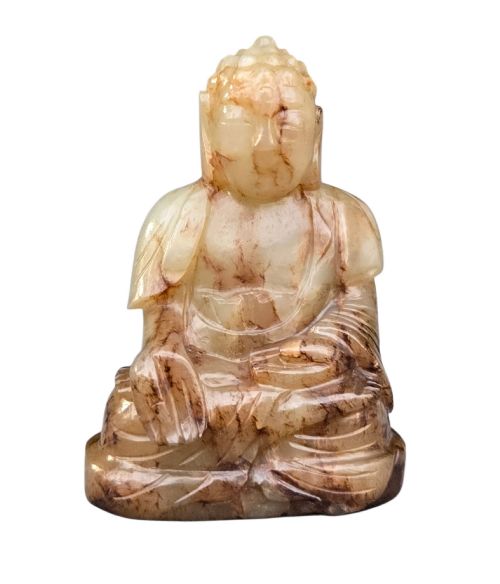

Qing Dynasty Carved Jade
These qing dynasty carved jade pieces combine ancient mineral materials with meticulous lapidary skill, offering collectors tangible links to imperial craftsmanship.
Qing Dynasty Carved Jade
When you search for qing dynasty carved jade, you encounter objects spanning scholar's table items, ritual vessels, and decorative sculptures. These works reflect the material culture and lapidary traditions of historic China, predominantly shaped during the eighteenth and nineteenth centuries.
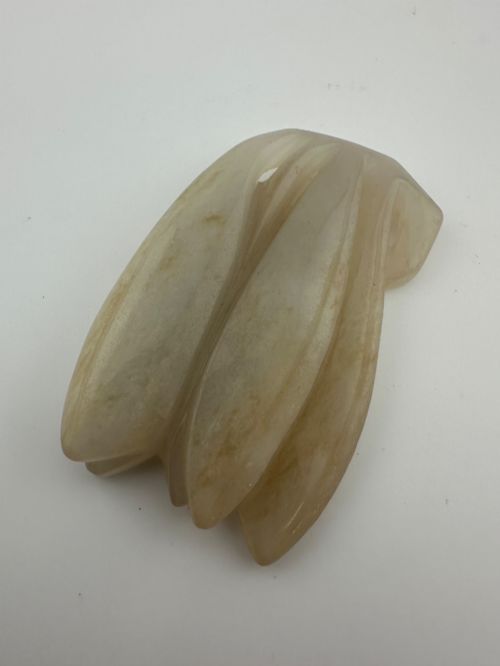
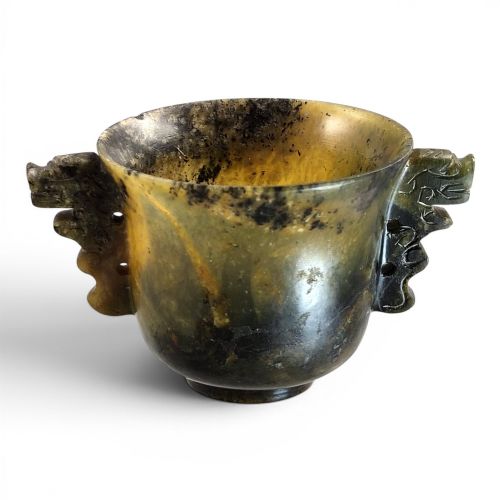
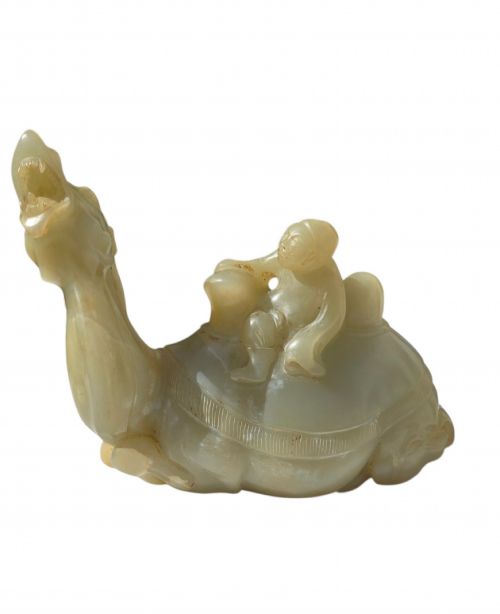
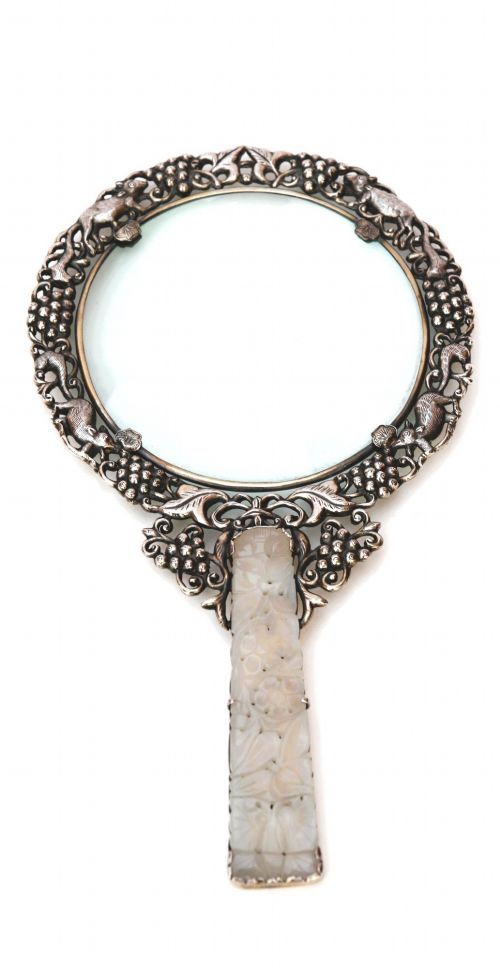
The selections available here range from pale celadon cicada carvings and spinach-green snuff bottles to archaic style cups with taotie handles. Alongside pure nephrite and jadeite figures, you find mixed media pieces incorporating hardwood stands and silver mounts.
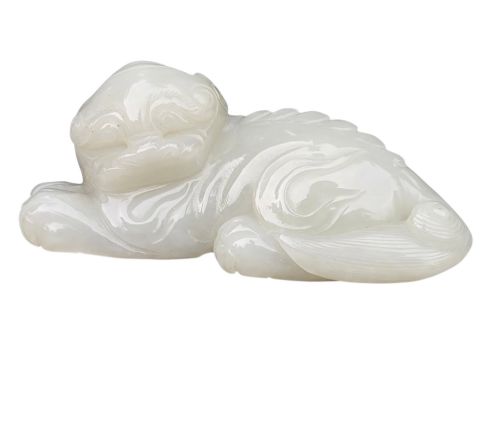
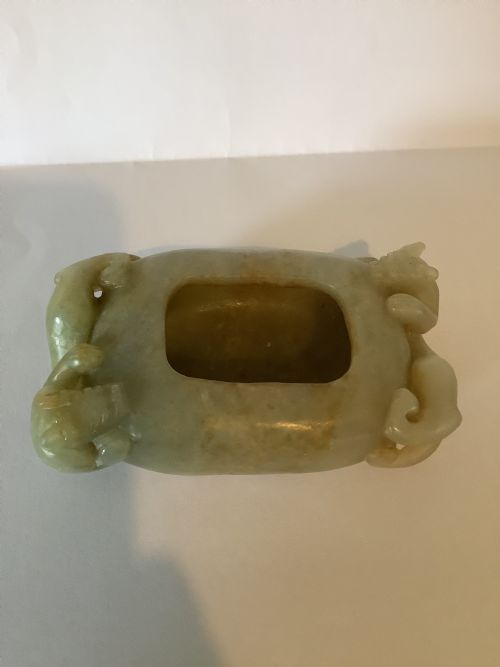
Objects assigned to this category bridge multiple eras, stretching from late Ming through to the Edwardian period and early twentieth century. The primary forms focus on utilitarian scholar's objects, ceremonial vessels, and sculptural representations of mythical beasts, deities, and natural motifs.
How they were made
Carving hard minerals like nephrite and jadeite required abrasive sand, water, and rotating drills rather than direct metal cutting. Artisans worked slowly to shape tough stone into thin-walled vessels, articulated chains, and intricate reliefs.
Makers utilised the natural colour variations within the raw boulders, such as russet skins and pale green inclusions, to highlight specific elements of a design. Finished carvings were frequently paired with custom-turned hardwood stands designed to display the object securely.
Listings feature hardstone, nephrite, and jadeite formed into vessels and figures across eighteenth, nineteenth, and early twentieth century periods.
What varies in quality
The refinement of the carving dictates distinction, separating fluidly undercut motifs and crisp relief work from stiff or muddy execution. Superior examples display absolute control over complex layers, ensuring that details like dragon scales or lotus petals remain sharp and balanced.
Material purity and translucency also govern the standing of a piece, with even coloration and fine grain structure commanding greater attention. The relationship between the natural stone's inclusions and the sculptor's composition reveals the true competency behind the work.
The Qing Dynasty Carved Jade Glossary
- Celadon jade
- A pale green tone of nephrite highly prized in Chinese lapidary work. It often displays subtle greyish or blue undertones.
- Nephrite
- A compact, fibrous amphibole mineral used extensively for historic Chinese carvings. It possesses remarkable toughness that resists fracturing under pressure.
- Archaistic
- A stylistic approach where later makers emulate the decoration and vessel forms of ancient bronze rituals. This aesthetic frequently incorporates taotie masks and stylized animal motifs.
- Spinach-green jade
- A deeper, saturated green variety of nephrite containing dark flecks and mineral inclusions. Pieces in this tone often show mottled colour variations.
Qing Dynasty Carved Jade: Frequently Asked Questions
What is qing dynasty carved jade?
These items comprise sculptural figures, vessels, and scholarly objects fashioned from nephrite, jadeite, and hardstone during the Qing period and related eras. Artisans transformed raw mineral boulders into intricate cultural artefacts.
Items range from functional brush washers and belt buckles to ceremonial censers and detailed animal carvings. Each piece preserves historical lapidary techniques.
How do I identify different periods?
Dating relies on stylistic markers, such as the archaic bronze motifs favoured in specific reigns or the integration of later mounting materials like silver. Comparing form and material against known historical eras helps establish age.
Makers across the eighteenth and nineteenth centuries applied distinct carving depths and polish types. Evaluating these technical choices clarifies the timeline.
How were these pieces used?
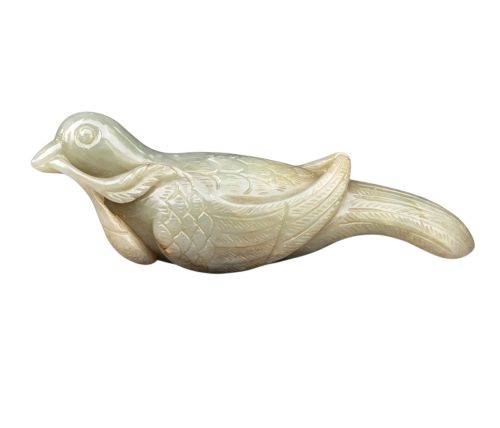
Many objects served functional roles on the desks of scholars, including brush washers, water birds, and libation cups. Others functioned as personal ornaments, belt buckles, and snuff bottles.
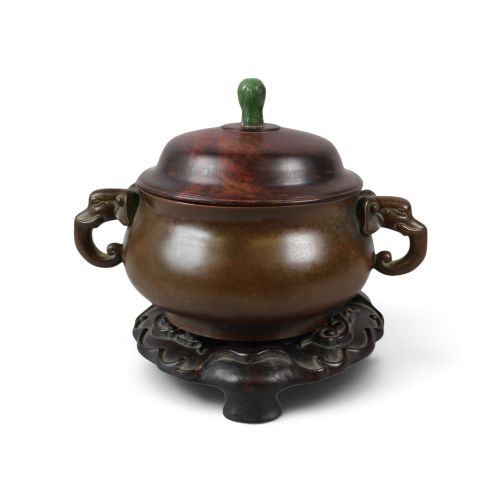
Larger sculptures and incense burners were created for display within elite interiors or ancestral spaces. They combined aesthetic utility with symbolic meanings.
How do I care for jade?
Jade and nephrite are remarkably tough minerals that require minimal maintenance beyond gentle dusting with a soft cloth. Avoid harsh chemical cleaners or abrasive pads that might scratch integrated hardwood stands or silver mounts.
Display pieces away from direct sunlight and sudden temperature fluctuations to protect the natural stone and associated materials. Proper handling preserves the polished surfaces.