


Qing Dynasty Brush Pot
A qing dynasty brush pot brings scholars' studio craft into the room, offering carved bamboo, hardwood and porcelain made to hold writing implements.
What these pieces are
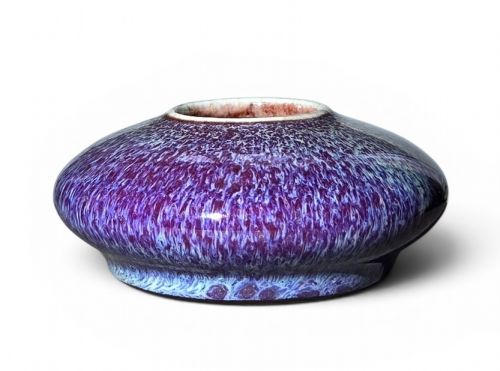
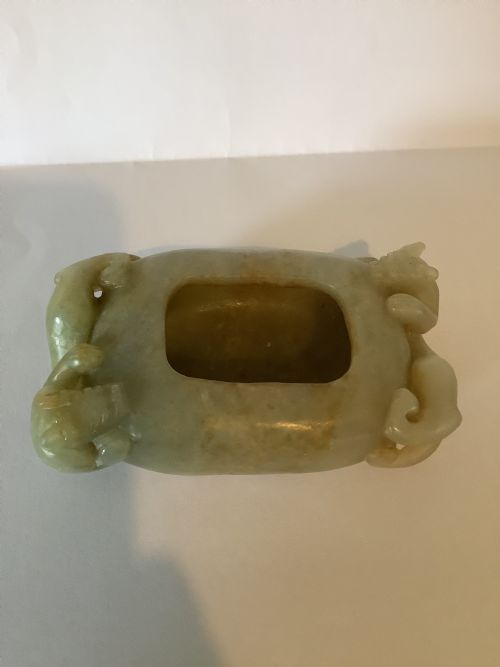
When searching for a qing dynasty brush pot, collectors encounter desk accessories originating from China during the nineteenth century. These items take the form of cylindrical containers designed originally for scholar's studios to hold writing brushes.
The selections available here include bamboo, porcelain and hardwood versions. These pieces span the nineteenth century, including objects dated around eighteen eighty and eighteen ninety.
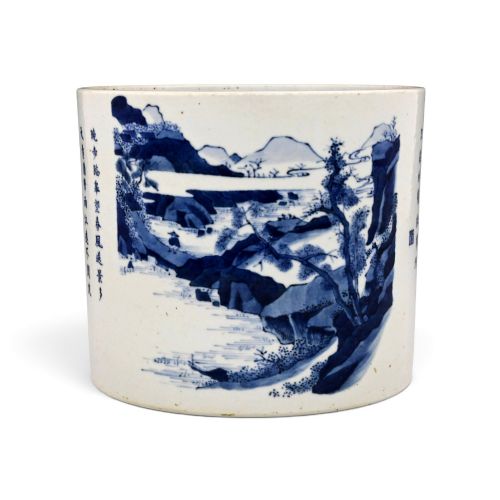
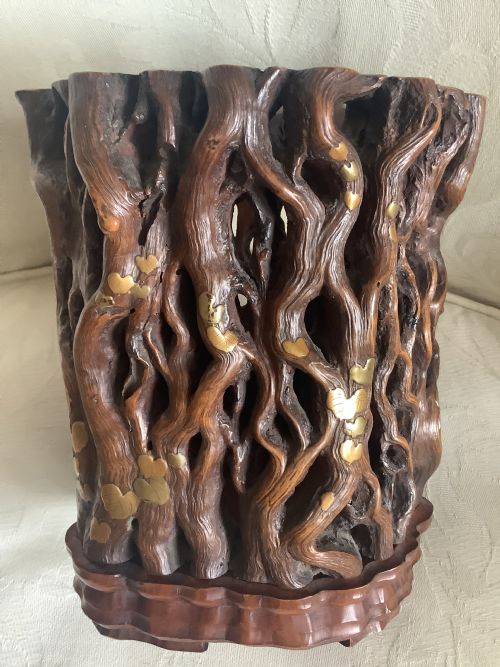
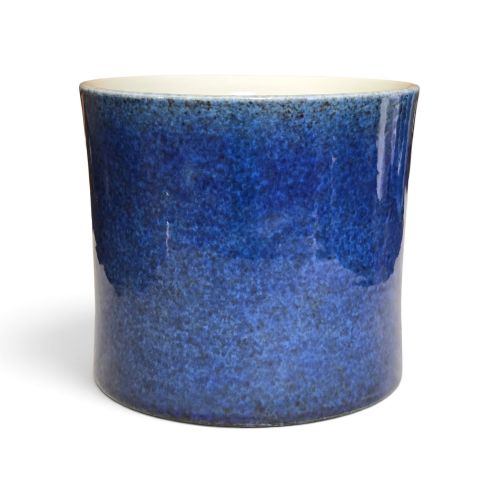
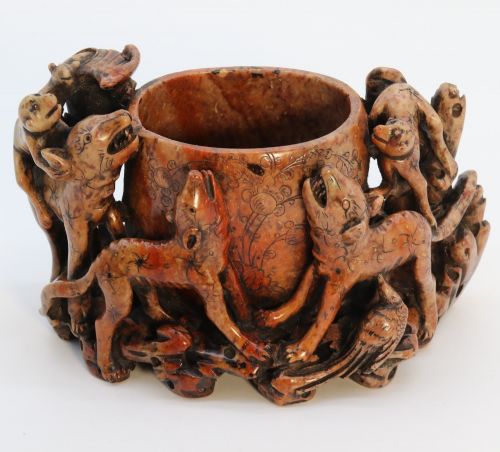
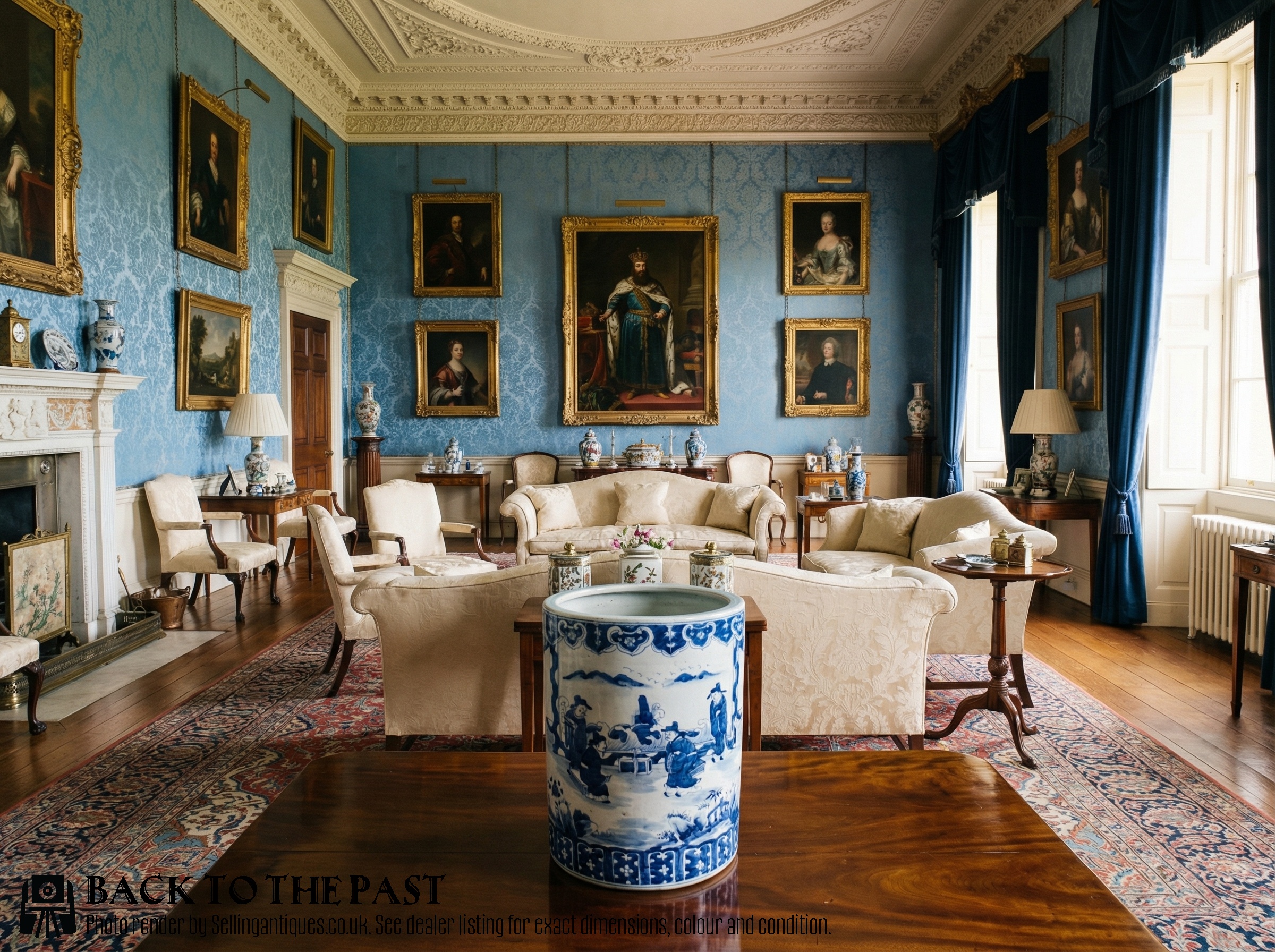
The forms range from large porcelain vessels to hand-carved bamboo and small hardwood examples. Each piece reflects traditional Chinese Qing style and antique manufacture.
How they were made
Makers utilised organic materials such as bamboo and hardwood, employing hand carving techniques to shape the cylindrical bodies and articulate detailed surface decoration. Artisans worked the natural grain of the wood and the hollow structure of the bamboo culm.
Ceramic versions use porcelain formed into large vessels and finished with glaze and enamel decoration. These pieces incorporate pictorial elements such as figures like the Eight Immortals rendered in enamel pigments over a dark ground.
Retail Price Guide 2026
Typical UK retail prices for qing dynasty brush pot, calculated from the Sellingantiques database of over a million retail prices indexed since 2003. This retail price guide relies exclusively on Sellingantiques data; no external sources or auction records are used, so the figures do not describe the wider market.
What varies in quality
The standard of carving distinguishes simpler bamboo and hardwood vessels from more ambitious examples. Depth of relief and control in handling the natural material define the best carved surfaces.
Porcelain quality rests upon the crispness of the potting and the precision of the enamel work. Controlled application of glaze and fine pictorial detail separate standard vessels from superior ceramic examples.
The Qing Dynasty Brush Pot Glossary
- Bitong
- A traditional Chinese cylindrical brush pot used on a scholar's desk to organise writing brushes. These vessels are typically fashioned from bamboo, porcelain or hardwood.
- Famille Noire
- A ceramic palette characterised by a black enamel ground, frequently used on Qing dynasty porcelain. This dark background highlights painted polychrome figures.
- Qing Dynasty
- The final imperial dynasty of China, lasting from sixteen forty-four until nineteen twelve. Pieces from this era often display traditional carving and scholarly motifs.
- Eight Immortals
- A group of legendary figures in Chinese mythology frequently depicted in Qing dynasty art. They appear in carved or enamelled decoration on porcelain vessels.
Frequently Asked Questions
What is a qing dynasty brush pot?
A qing dynasty brush pot is a cylindrical container made in China during the nineteenth century to hold writing brushes on a scholar's desk. These vessels functioned as practical desk accessories and works of art.
Craftsmen shaped these items from materials like bamboo, porcelain and hardwood. They often embellished the surfaces with hand-carved designs or enamel decoration.
How were brush pots used?
These vessels stood upon desks and tables in scholarly or official studies to keep writing brushes upright and accessible. They organised ink brushes while serving as decorative objects.
Their form kept delicate brush tips protected and separated when not in use. The containers reflected the refined tastes of their owners through their artistic decoration.
What materials are used for these vessels?
Makers constructed brush pots from natural organic materials including bamboo and dense hardwoods. These substances allowed for intricate hand carving in relief.
Ceramic examples utilised porcelain finished with glaze and enamel painting. These varied mediums each provided a distinct surface for traditional Chinese decorative motifs.
How can I date a brush pot?
Dating relies on examining the material, manufacturing style and surface decoration consistent with nineteenth-century Qing production. Specific stylistic cues link pieces to periods around eighteen eighty or eighteen ninety.
Characteristics such as enamel palettes and carving depths offer clues to the era of manufacture. Comparing these elements with established period examples helps determine age.