


Qing Dynasty Blue Vase
These pieces of qing dynasty blue vase work bring centuries of imperial kilns and scholarly design directly into modern interiors.
Qing Dynasty Blue Vase
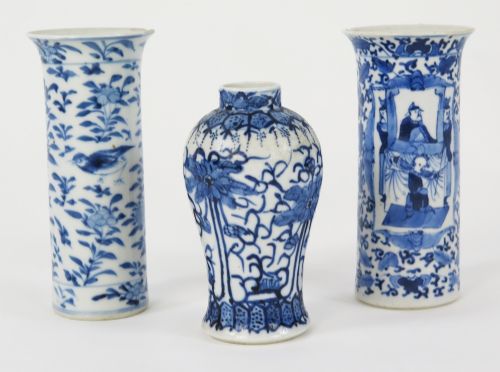
A qing dynasty blue vase encompasses various vessel types spanning the seventeenth to early twentieth centuries, including baluster forms, double-gourd silhouettes, ginger jars, and garlic-mouth shapes. These ceramics often emerge from periods such as the Kangxi, Qianlong, and Guangxu reigns, alongside later nineteenth-century interpretations.
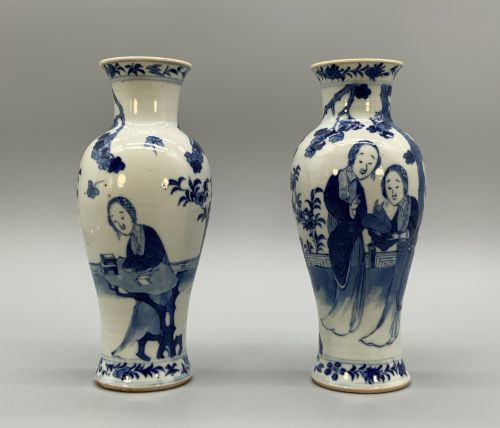
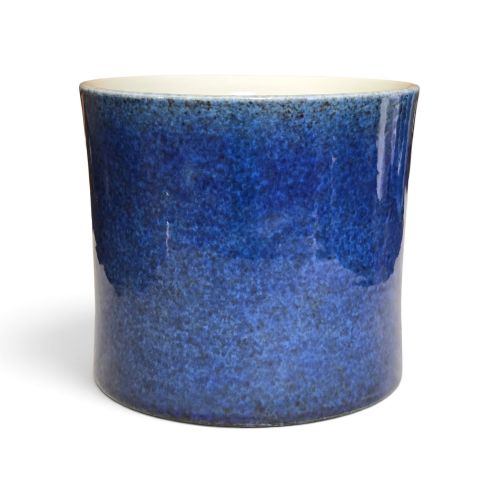
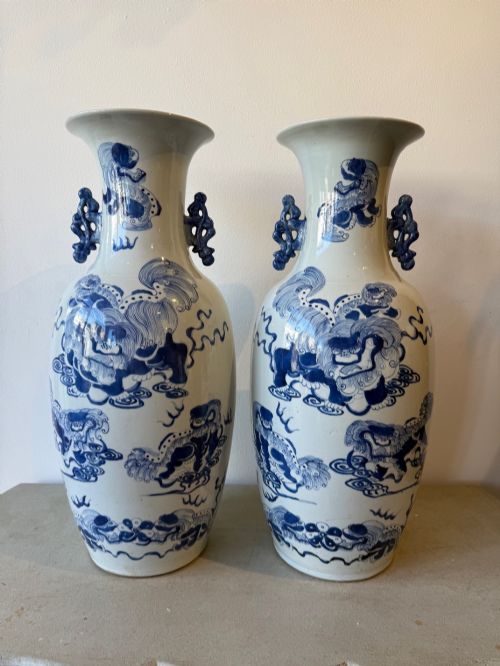
The selections on this page lean heavily toward nineteenth-century production, frequently featuring blue and white porcelain alongside powder-blue glazes and celadon grounds. Buyers encounter traditional forms originally designed for scholars' retreats or imperial courts, now existing as standalone decorative vessels or adapted as table lamps.
Materials and technique
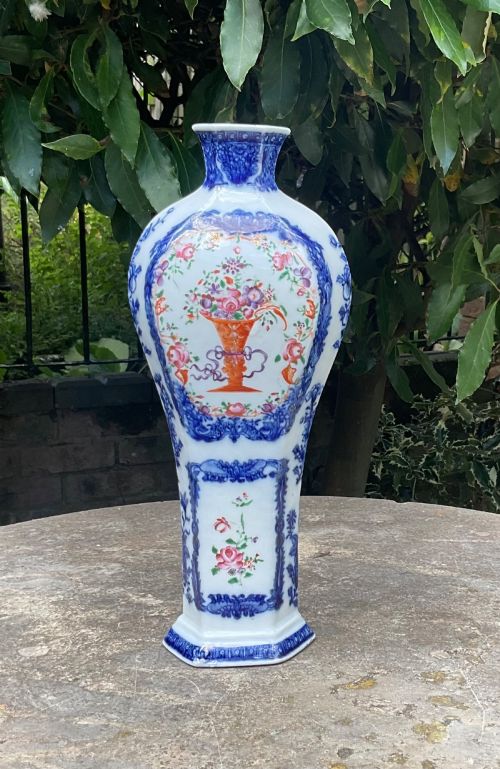
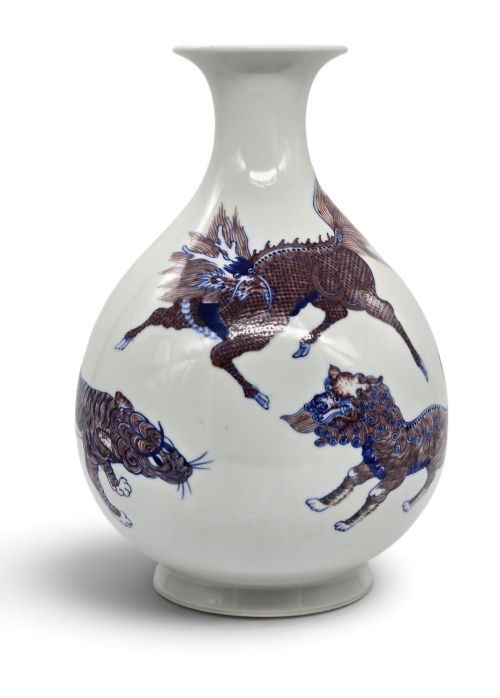
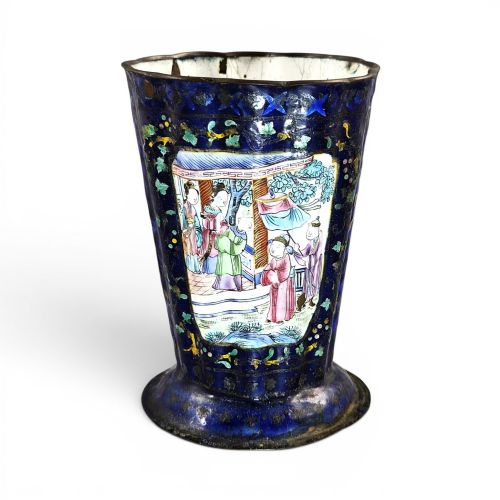
Potters utilised fine white porcelain bodies painted with cobalt glaze under the high-temperature kiln firing necessary to achieve the characteristic deep blue tones. Copper-red pigments sometimes accompany the cobalt, while other examples employ crackleware glazes, Canton enamel on copper, or intricate cloisonné metalwork.
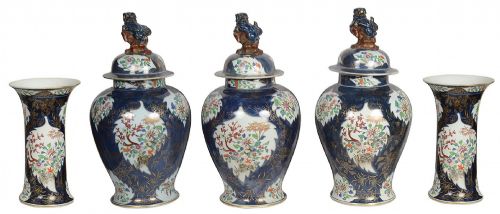
Surface decoration relies on meticulous brushwork depicting figural scenes of ladies, mythical beasts, dragons, and floral motifs such as lotus patterns. Certain vessels incorporate moulded or applied relief details, whilst others display monochromatic powder-blue surfaces paired with ormolu mounts.
Certain intimate snuff bottles hidden within these archives carry erotic spring palace scenes designed for private imperial amusement.
Distinctions in craftsmanship
The standard of painting on the porcelain surface dictates much of the visual distinction, separating rushed output from masterfully controlled underglaze brushwork. Crispness in the cobalt tones and the precision of imperial mark interpretations reveal the competency of the kiln workshop.
The depth and consistency of the glaze application, whether a clear glossy finish, a powdered cobalt coating, or a controlled crackle effect, determine the tactile success of the piece. Preservation of the original form without intrusive later alterations remains central to historical integrity.
The Qing Dynasty Blue Vase Glossary
- Cobalt Glaze
- A metallic oxide pigment applied beneath the transparent glaze to produce vibrant blue decoration during high-temperature firing. This material defines the traditional palette of classic porcelain vessels.
- Meiping
- A high-shouldered plum vase traditionally utilised for holding flowering branches. The narrow neck and generous body create a distinctive silhouette found across various imperial periods.
- Double-Gourd
- A vessel form comprising two bulbous sections stacked vertically, symbolising prosperity and auspicious fortune. Potters frequently render this shape in porcelain with underglaze blue decoration.
- Crackleware
- A ceramic finish intentionally exhibiting a network of fine micro-cracks across the glaze. This textural effect results from differing contraction rates between the body and the surface during cooling.
- Bitong
- A cylindrical brush pot utilised by scholars for holding writing implements in traditional studies. These objects frequently feature elaborate landscape or figural painting.
Qing Dynasty Blue Vase: Frequently Asked Questions
How do I identify a qing dynasty blue vase?
Examination of the cobalt tone, the iron impurities within the porcelain, and the style of the base marks helps determine the period of manufacture. Stylistic indicators like underglaze painting techniques and potting weight provide further clues.
Comparing the decorative motifs against known imperial patterns allows collectors to separate true period pieces from later nineteenth-century revivals or subsequent stylistic adaptations.
Were these vases used as lamps originally?
Most of these vessels were created as decorative containers or scholar's objects rather than lighting fixtures. Many surviving examples underwent conversion into table lamps during subsequent centuries.
When evaluating a converted piece, collectors observe whether the mounting preserves the original porcelain body without causing destructive alterations to the base or neck.
What is the difference between Kangxi style and period pieces?
Pieces made during the actual Kangxi reign date from the late seventeenth to early eighteenth century and exhibit specific potting characteristics of that era. Kangxi style items are later reproductions or interpretations created during the nineteenth century in homage to those earlier aesthetics.
Listing details usually clarify whether a vessel originates from the historical reign or follows the design tradition at a later date.
How should I care for antique porcelain?
Displaying these ceramics away from direct sunlight and sudden temperature fluctuations protects both the glaze and any added metal mounts. Gentle dusting with a dry, soft cloth maintains the surface without risking abrasion.
Lamps require careful handling around electrical wiring and fitted hardware to ensure the ceramic body remains entirely secure and unstressed.