


Qashqai Area Rug
A qashqai area rug brings the bold geometric patterns and rich tribal artistry of southwestern Persian nomads directly into a modern interior.
Qashqai Area Rug
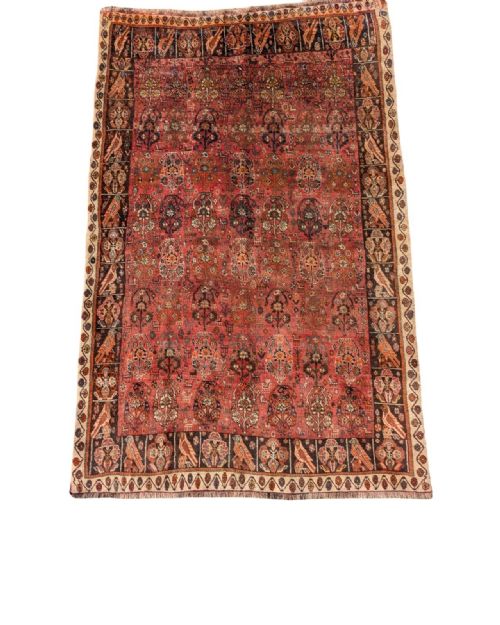
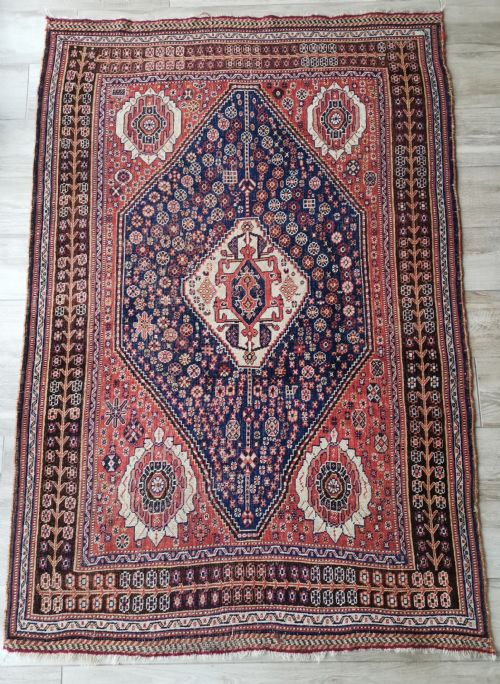
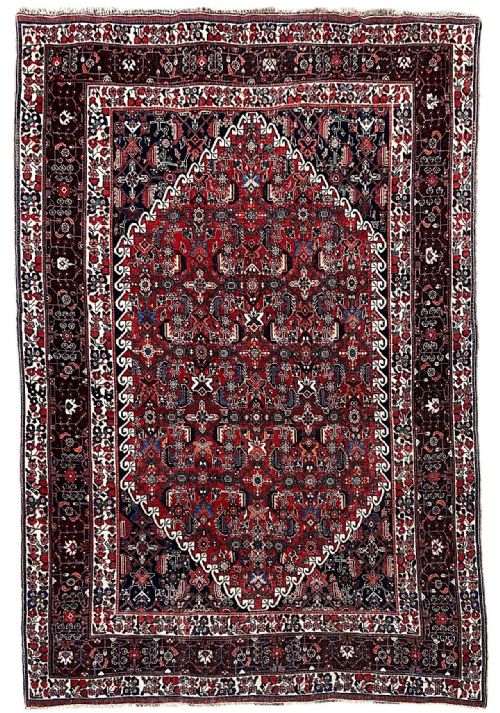
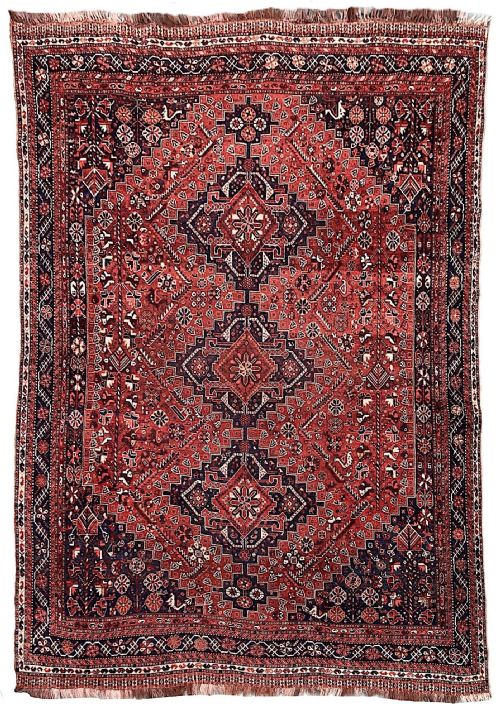
A qashqai area rug embodies the textile traditions of confederations working in south west Persia, spanning formats from small mats to large carpets. The examples found here typically date from the late nineteenth century through the early decades of the twentieth century, reflecting enduring nomadic weaving practices.
Buyers will encounter various regional subtypes and formats within this search, including flatwoven kilims, thick-piled gabbehs, and detailed village rugs. These pieces often incorporate tribal motifs such as central medallions, peacocks, trees of life, and pomegranate designs rooted in centuries of cultural heritage.
Materials and construction methods
The weavers relied entirely on natural materials, employing hand-spun wool for the dense pile and durable cotton for foundation warps and wefts. This combination yields a flexible yet resilient fabric capable of enduring decades of daily foot traffic.
Colour comes from natural dyes applied to the wool, creating rich tones that develop subtle variations and patination over time. Handknotting techniques executed on vertical looms ensure that each piece maintains a distinct structural integrity and tactile depth.
Current listings feature pieces dated across multiple decades, spanning from the mid-nineteenth century up through the 1930s.
Assessing quality and craftsmanship
Knot density and the precision of the geometric layout dictate the refinement of a weave, separating everyday utility items from masterworks. Tighter knotting allows for sharper delineation of intricate motifs like medallions and animal figures.
The depth and vibrancy of the natural dyes significantly influence visual impact, as well-balanced palettes maintain their harmony as the wool ages. Furthermore, the overall handling of symmetry and proportions within the border and field design signals the weaver's individual skill.
The Qashqai Area Rug Glossary
- Gabbeh
- A thick-piled, coarsely knotted rug traditionally woven by nomadic groups for domestic use. These pieces often feature minimalist designs with large fields of open colour.
- Kilim
- A flatwoven textile produced without a pile, resulting in a lightweight structure suitable for floor coverings or wall hangings. The technique creates sharp geometric patterns through slit-tapestry weaving.
- Khamseh
- A confederation of five tribes in south west Persia sharing stylistic traits with neighbouring weavers. Their textiles frequently display bold repeating motifs and deep indigo or madder grounds.
- Khellh
- A long, narrow carpet format traditionally utilised in nomadic tents or village homes. Proportions are elongated compared to standard square or rectangular area rugs.
- Medallion
- A central decorative motif placed in the field of a rug, serving as the focal point of the symmetrical design. These elements often draw inspiration from tribal symbolism and flora.
Qashqai Area Rug: Frequently Asked Questions
How do I care for an antique rug?
Regular gentle vacuuming without a beater bar removes surface dirt before it settles into the wool pile. Professional cleaning suited for antique textiles should be employed periodically to preserve the natural fibres.
Keeping the rug out of harsh, direct sunlight prevents the natural dyes from fading prematurely over the years.
How do I tell different tribal rugs apart?
Distinguishing between regional types involves examining the specific motifs, colour palettes, and structural foundations. For instance, gabbehs feature thick pile and sparse designs, while kilims are flatwoven.
Border arrangements and the specific use of indigo or madder dyes also offer clues to the originating tribe or confederation.
Where were these textiles originally made?
These rugs were made in the mountainous regions of south west Persia by nomadic pastoralists and settled villagers. The makers moved seasonally, carrying their horizontal looms with them.
This nomadic lifestyle directly influenced the portable formats and practical durability of the woven pieces.