





Putti Wall Bracket
These putti wall bracket selections bring exuberant sculptural character and historic architectural ornament straight to your interior walls.
Putti Wall Bracket
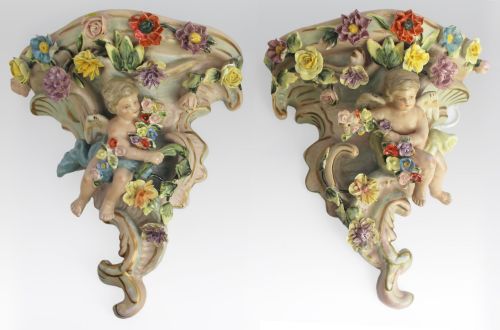
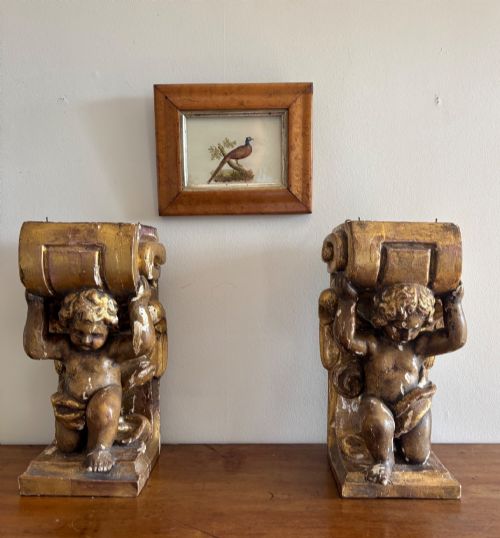
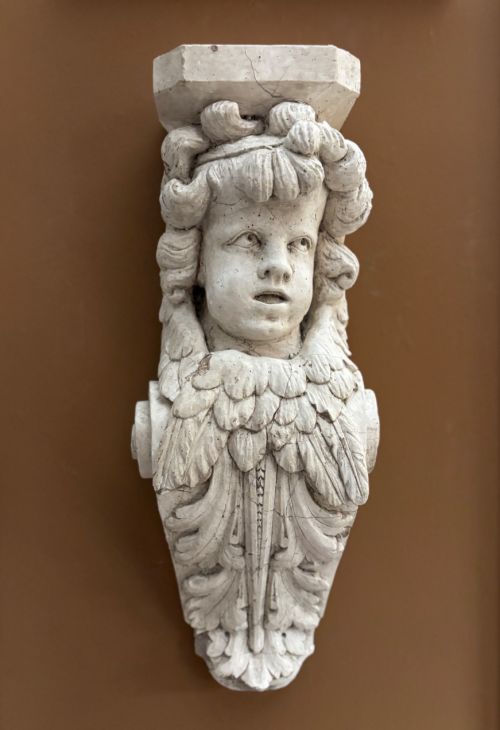
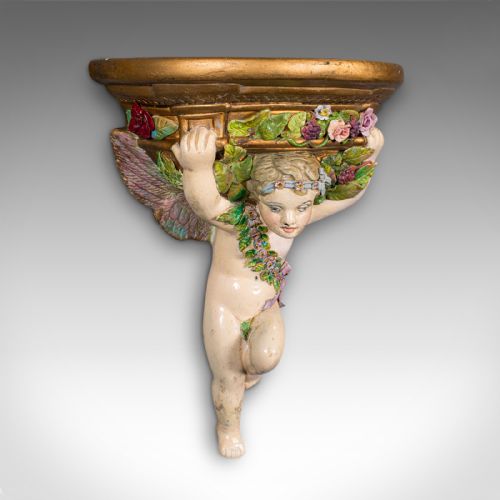
A putti wall bracket combines a sturdy architectural shelf with the playful, winged figure of a cherub or putto. These decorative supports range from single wall corbels to paired sconces designed to hold small ornaments, clocks, or candles.
The pieces appearing on this page mostly span the nineteenth and early twentieth centuries. You will encounter styles running from Baroque and Rococo revivals through to Victorian interpretations and French designs.
Makers utilised various forms including mirror brackets, clock mounts, and dedicated architectural ledges. The architectural origin of these items means they were built to project outward from the wall while bearing weight.
How they were made
Carved wood and giltwood examples demonstrate traditional carpentry and joinery, often finished with layers of gold leaf or gesso. Artisans shaped these organic materials by hand to capture the soft contours of flesh and fabric.
Plaster, porcelain, and majolica pieces demonstrate moulded production techniques. Factories utilised kilns and casts to achieve the fine surface details seen in Victorian majolica and continental porcelain bodies.
Every cherub wears a different expression, ranging from solemn contemplation to outright mischief.
What varies in quality
The refinement of the carving separates standard decorative items from superior examples. Master carvers rendered the anatomy and facial expressions of the putti with anatomical conviction rather than crude mass-production shortcuts.
Surface finish dictates visual success, particularly on gilt and gesso surfaces. Original leaf application and the preservation of the underlying preparation layers determine how light catches the sculptural relief over time.
Minton
The Putti Wall Bracket Glossary
- Putto
- A plump, often winged child figure frequently found in classical art and decorative hardware. Plural form is putti.
- Corbel
- A structural piece of stone, wood, or other material jutting from a wall to carry a superincumbent weight. In this context, it functions as a decorative shelf support.
- Giltwood
- Wood that has been treated with gold leaf or gold paint. This finish creates a reflective and opulent surface popular in revivalist interiors.
- Gesso
- A plaster mix used as a smooth base for paint or gold leaf on wood. It allows for crisp details before gilding.
- Majolica
- A type of earthenware glazed with tin-opacified glaze, often brightly coloured. It gained popularity during the Victorian era for ornamental wares.
Putti Wall Bracket: Frequently Asked Questions
What did people put on wall brackets?
Historical interiors utilised these ledges to display small porcelain figurines, pocket watches, or decorative urns. They elevated cherished objects closer to eye level.
In grander rooms, matching pairs held candles or supported specialised clock mounts to create symmetrical focal points on either side of a mirror or window.
How do I clean giltwood brackets?
Dusting requires only a very soft, dry artist's brush or feather duster to remove surface particles without disturbing delicate gilding. Water and chemical cleaning agents must be avoided entirely.
Moisture can penetrate porous gesso and lift the gold leaf layers, causing permanent damage to the historic surface finish.
Are these brackets structurally strong?
While built to hold weight historically, the load capacity depends upon the material and the integrity of the antique joinery. Carved timber versions generally offer robust support for modest decorative objects.
Plaster and porcelain variations serve best for lightweight displays, as brittle materials cannot withstand heavy impacts or excessive downward pressure.