



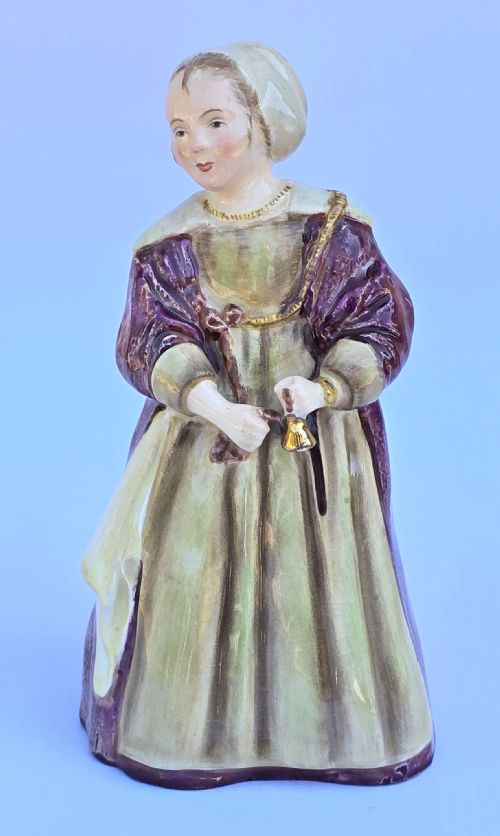

Purple Porcelain Figure
A purple porcelain figure brings cabinet-scale charm to a room, offering sculptural form and hand-painted colour from centuries of European ceramic tradition.
Purple Porcelain Figure
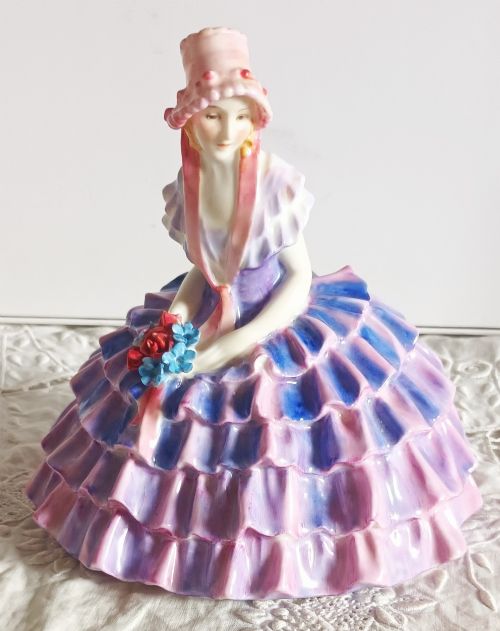
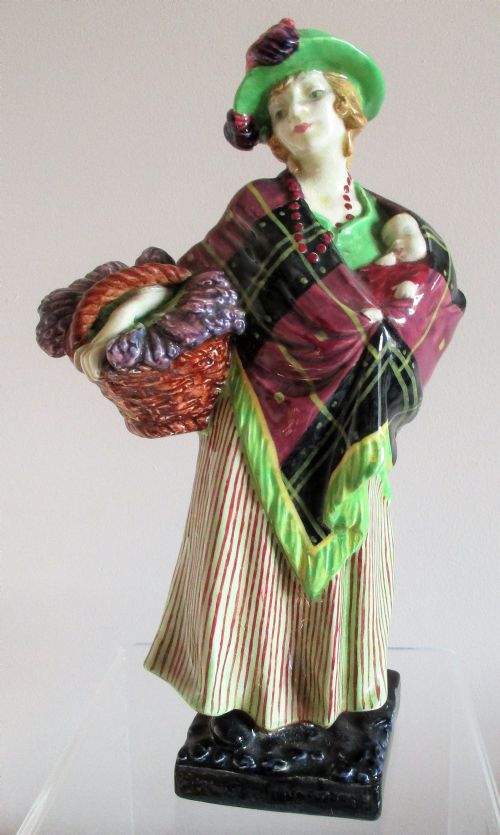
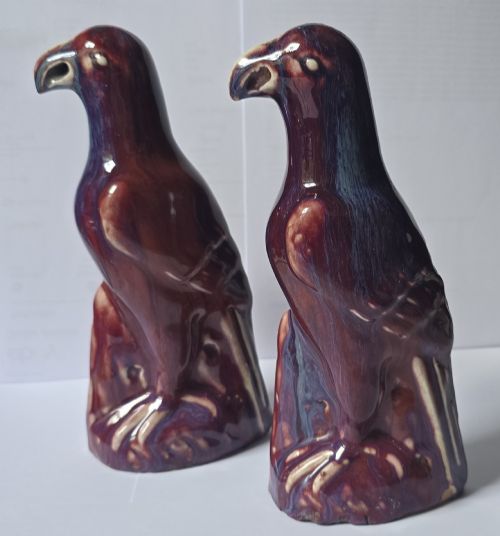
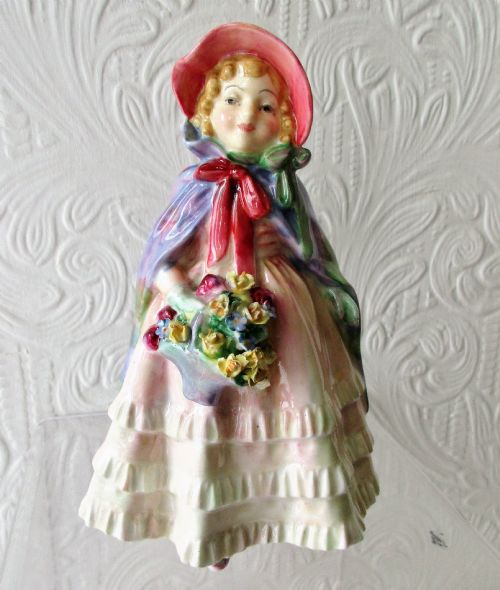
When you search for a purple porcelain figure, you encounter decorative figurines and groups that span the eighteenth, nineteenth and twentieth centuries. These pieces take the form of individual subjects, musical groups and vanity accessories modelled in clay.
The selections on this page range from early English soft-paste works to twentieth-century bone china and glazed porcelain editions. Makers across Britain and continental Europe contributed to this variety of sculptural forms.
Georgian, Victorian, Edwardian and Art Deco styles define the aesthetic evolution of these ceramics. Figures depict characters such as milkmaids, musicians and young girls holding bells or powder puffs.
How they were made
Potters utilised porcelain, bone china and soft-paste porcelain to form the body of each figure, often applying enamel colours and specialist glaze. Artisans also incorporated gold leaf and metal additions to highlight specific details on the modelled surface.
Factories employed manual moulding and casting techniques before firing the pieces in kilns at high temperatures. Hand-painting followed the initial glaze firing to build up the polychrome palette and facial expressions.
Purple Porcelain Figure Retail Price Guide 2026
Typical asking prices for purple porcelain figure among the pieces listed under this phrase on Sellingantiques today, from the lower quarter to the upper quarter. They describe what is for sale here now, not the wider market.
Object forms span decorative figurines, musical groups, vanity accessories and powder puff stands across multiple European styles.
What varies in quality
Royal Doulton·Longton Hall·Wedgwood and Co. Ltd·Volkstedt Porcelain·Royal Worcester·Meissen·William Duesbury and Co.
The Purple Porcelain Figure Glossary
- Soft-paste porcelain
- An artificial ceramic composition fired at lower temperatures than hard-paste porcelain. It produces a warm, slightly creamy body frequently found in eighteenth-century English figures.
- Enamel
- Vitreous colour applied over or under the glaze and fired to bond with the ceramic surface. This technique allows for vibrant pigments on porcelain figures.
- Bone china
- A type of porcelain incorporating animal bone ash, creating a strong, translucent white body. It became a primary medium for twentieth-century English figurines.
- Glaze
- A glassy coating fused to the porcelain body during firing to seal the porous clay and provide a glossy finish. It protects the painted enamel details underneath.
- Patch period
- A phase in early Derby porcelain production identified by kiln marks left on the underside of figures from the supports used during firing. Collectors use this term to date eighteenth-century works.
Purple Porcelain Figure: Frequently Asked Questions
What is a porcelain figure?
A porcelain figure is a small, three-dimensional decorative sculpture modelled from clay and fired in a kiln. These pieces depict human subjects, animals or allegorical scenes, often painted with enamel colours.
Historically, European factories produced them as table ornaments for wealthy households. They reflect the artistic tastes of periods ranging from the Georgian era to Art Deco.
How do I care for my figure?
Keep porcelain figures out of direct sunlight to prevent any fading of the hand-painted enamel colours. Dust them gently with a soft, dry brush rather than using wet cloths or harsh cleaning agents.
Display them securely on stable surfaces away from high-traffic areas. This minimises the risk of accidental knocks to delicate extremities like fingers or instruments.
How can I tell the period?
Examine the style of the clothing, hair and base, as these reflect the design trends of eras such as the Victorian or Edwardian periods. Rococo Revival pieces feature elaborate scrolls, while Art Deco figures show geometric simplicity.
Look underneath the piece for factory marks, pattern numbers or kiln scars. These stamps and physical clues help connect the item to specific active years of a pottery.
Were these figures functional?
Most porcelain figures served purely decorative roles on mantelpieces, dining tables and cabinets. They were designed to showcase wealth and taste in a formal interior setting.
Some specialised forms, such as powder puff stands or figures with bells, combined sculpture with vanity use. These utilitarian items brought decorative art directly into daily grooming routines.