

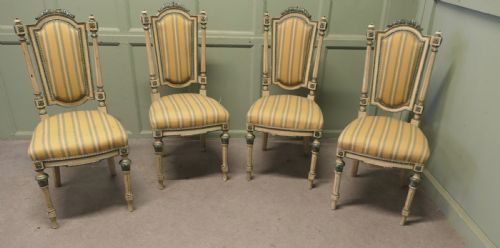
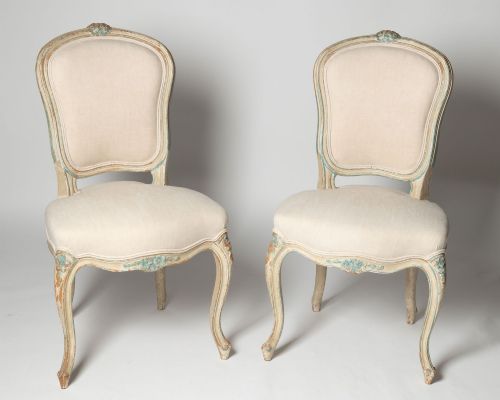
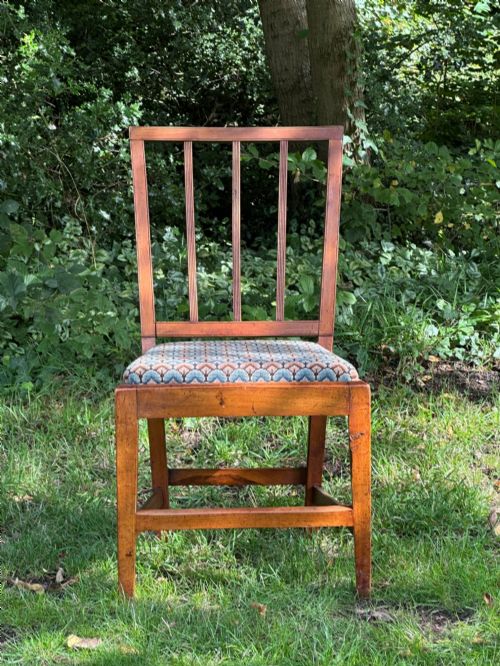
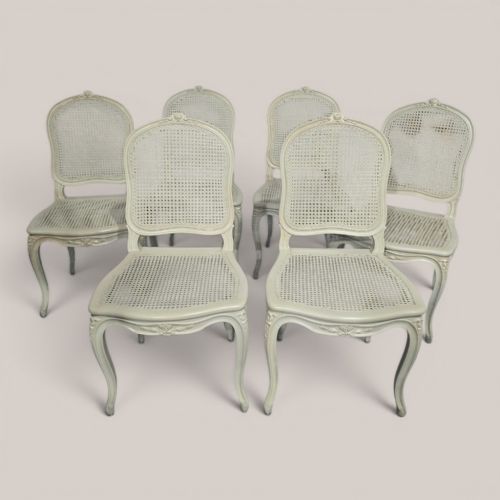




Provincial Side Chairs
Provincial side chairs are honest regional seating built for daily use, offering robust construction and enduring character for any interior.
Provincial Side Chairs
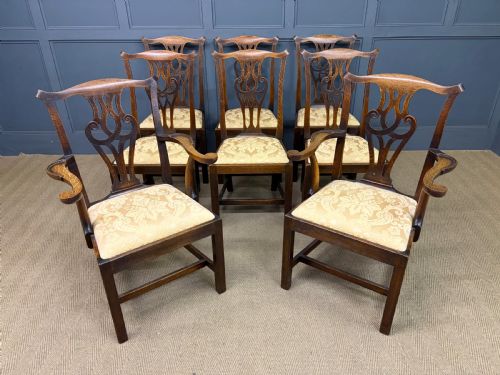
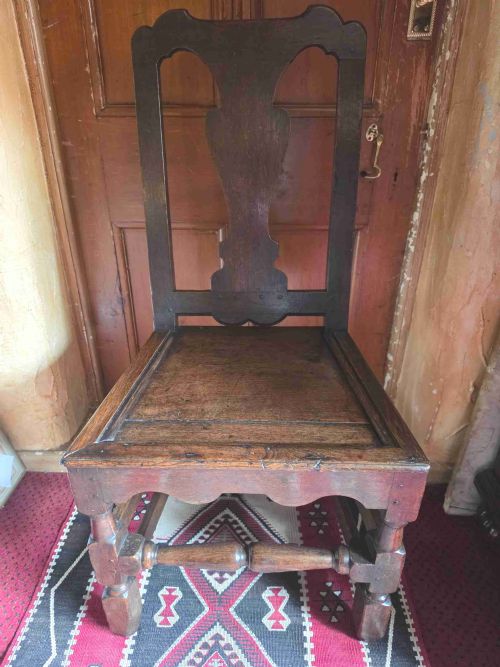
Provincial side chairs encompass robust regional seating designed for everyday use across European and British country houses and farmhouses. When you search for provincial side chairs, you encounter various regional interpretations spanning from the seventeenth century through the early twentieth century.
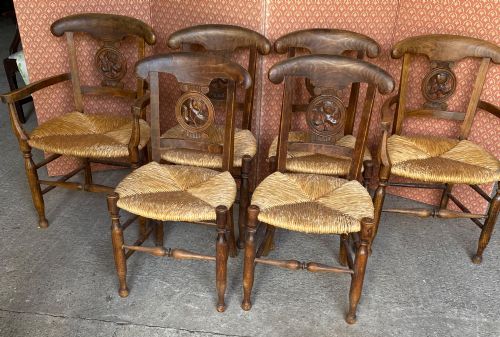
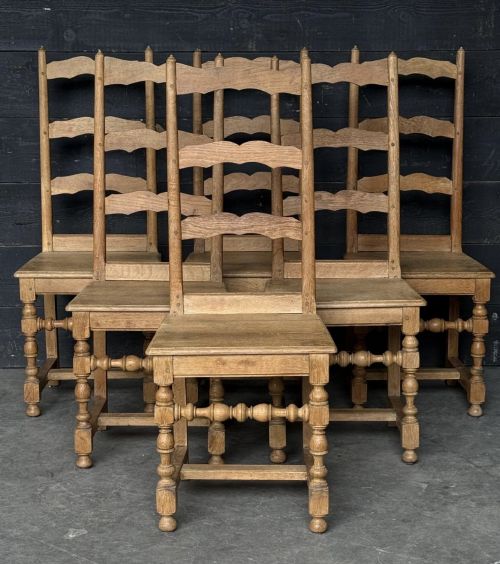
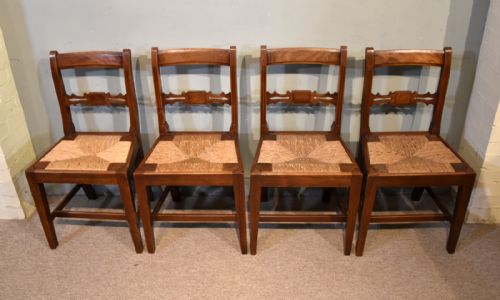
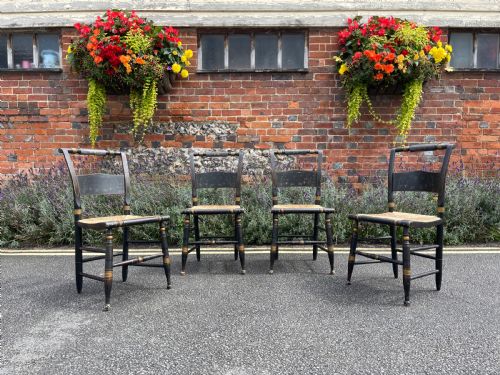
The selections here frequently include French fruitwood and oak examples, often featuring ladder backs and rush seats suited for dining or kitchen spaces. Sets ranging from pairs to groups of ten appear alongside individual seating from Georgian, Victorian, and later periods.
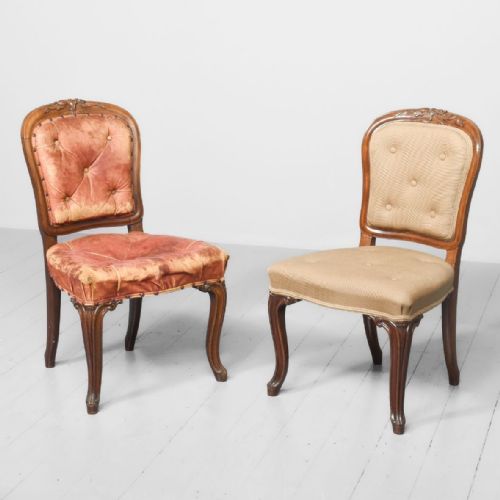
Makers in rural workshops utilised local timbers like ash, elm, and walnut to construct sturdy dining and salon chairs. These pieces reflect the utilitarian needs and distinct aesthetic preferences of their respective provincial origins.
How they were made
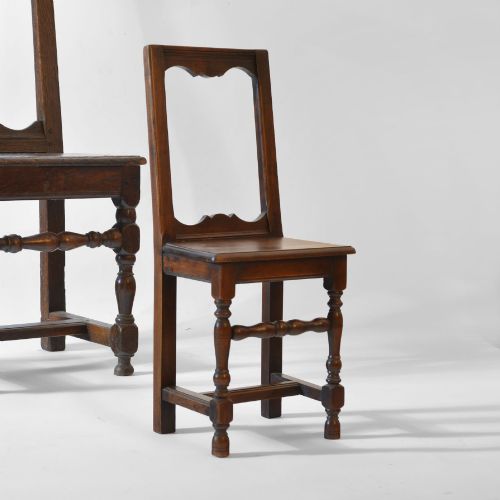
Carpenters constructed these chairs from solid native hardwoods including oak, fruitwood, ash, elm, walnut, and beech. Traditional joinery such as mortise and tenon joints ensured the frames withstood decades of daily domestic use.
Seating surfaces often utilised woven rush or squabs covered in textile, fabric, or leather. Turnings, hand carving, and painted finishes provided decorative detail without compromising structural integrity.
Provincial Side Chairs Retail Price Guide 2026
Typical asking prices for provincial side chairs among the pieces listed under this phrase on Sellingantiques today, from the lower quarter to the upper quarter. They describe what is for sale here now, not the wider market.
Listings feature oak, fruitwood, walnut, and ash timbers spanning from the seventeenth century to the twentieth century.
What varies in quality
The choice of timber and the crispness of hand carving distinguish superior examples from simpler utilitarian seating. Dense, well-figured oak, walnut, or fruitwood indicate a higher standard of craftsmanship.
Integrity of the frame and the retention of original surfaces, whether unpainted timber or historic paint layers, determine desirability. Complete matching sets command greater attention than assembled harlequin groups.
The Provincial Side Chairs Glossary
- Ladder back
- A chair back featuring multiple horizontal wooden slats between the upright stiles. This traditional regional design appears frequently in French and Dutch vernacular seating.
- Rush seat
- A seating surface woven from dried marsh grasses or rushes. Artisans twisted these materials tightly around the seat rails to create a durable, resilient pad.
- Fruitwood
- Timber harvested from fruit-bearing trees such as cherry, pear, or apple. Cabinet makers valued these woods for their fine grain and warm tone.
- Hoof feet
- An animalistic foot carving terminating the legs of certain chairs. This detail surfaces on continental and British seating from various centuries.
- Windsor chair
- A wooden chair constructed with a solid elm or hardwood saddle seat into which the legs and back spindles are wedged. These vernacular forms developed strong regional variations.
Provincial Side Chairs: Frequently Asked Questions
Are these chairs suitable for daily dining?
Most provincial side chairs were originally built for dining, kitchen, or parlour use, making them sturdy enough for regular seating.
Check that the joints remain tight and the frame does not wobble before placing heavy daily demands on antique timber.
What is a harlequin set?
A harlequin set consists of chairs that match closely in style, period, and timber but were not originally manufactured together as a single batch.
Collectors assembled these groups over time to achieve a uniform dining arrangement while accommodating the scarcity of large original sets.
How do I identify French provincial pieces?
French provincial chairs often display local fruitwoods like cherry or pear, lighter carvings, and rush or upholstered drop-in seats.
They reflect the rustic elegance of regional chateaux and farmhouses rather than the formal court styles of Paris.