

Provincial Oak Drawers
Provincial oak drawers are sturdy regional storage pieces built from durable timber for everyday domestic use.
Provincial Oak Drawers
Provincial oak drawers comprise utilitarian chests, dressers, and commodes produced across regional European and British workshops. When you search for provincial oak drawers, you encounter examples spanning the eighteenth, nineteenth, and early twentieth centuries. These storage items reflect local vernacular traditions rather than metropolitan court fashions.
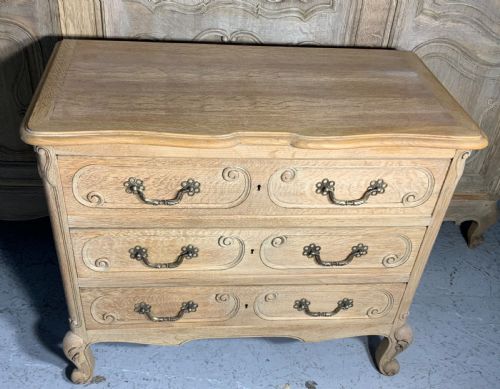
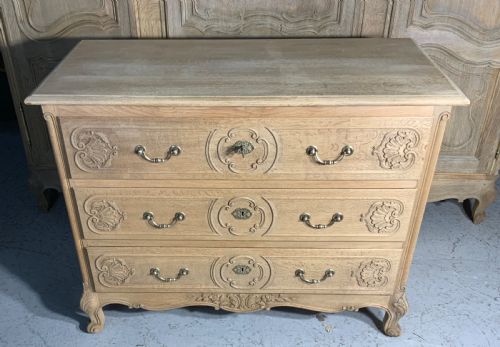
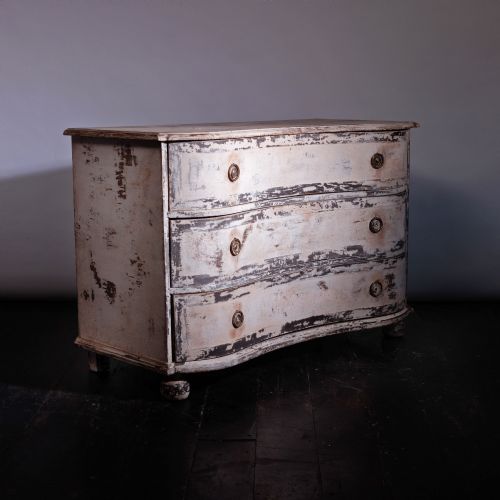
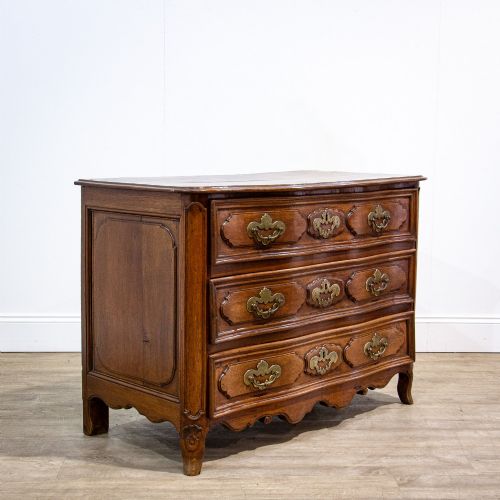
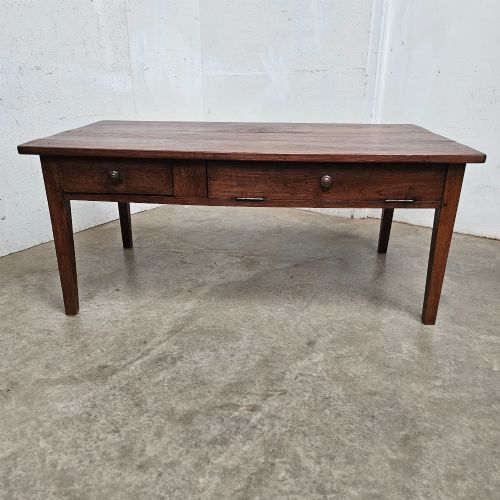
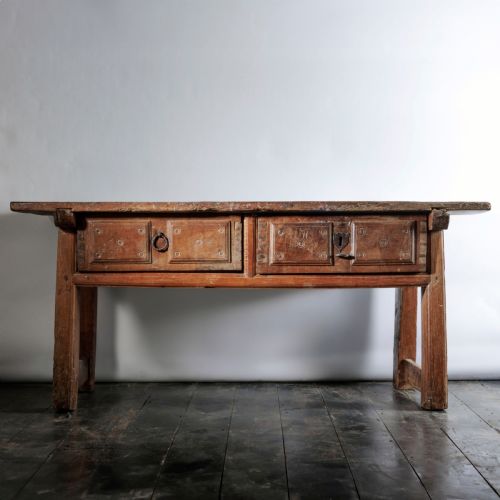
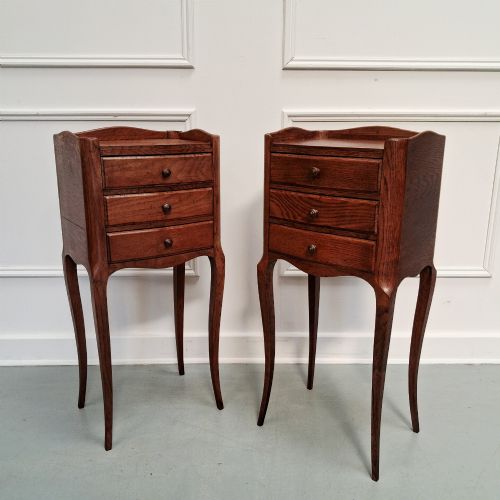
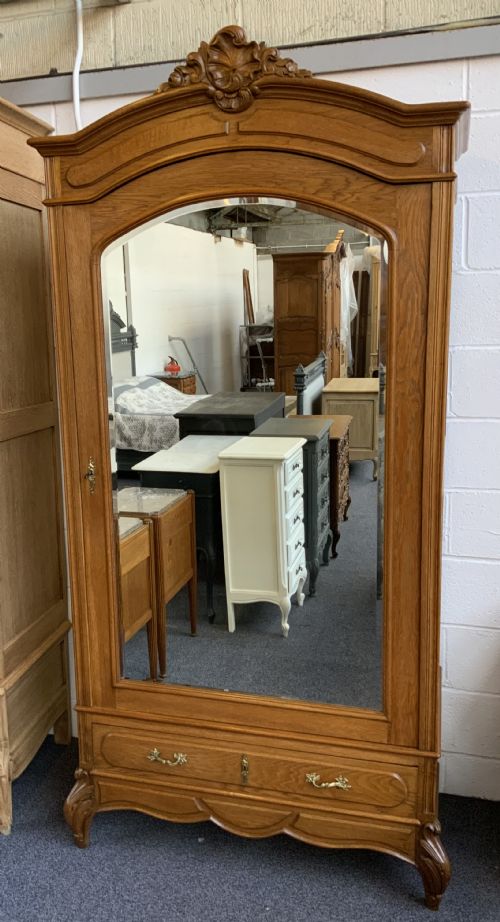
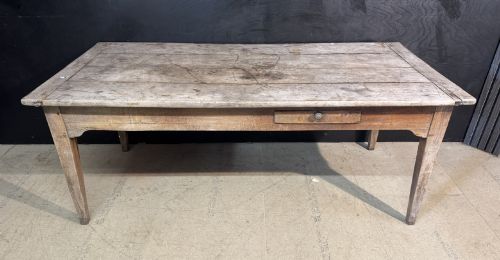
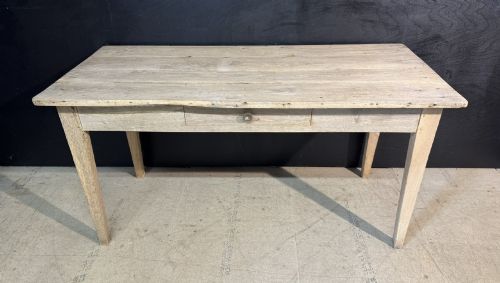
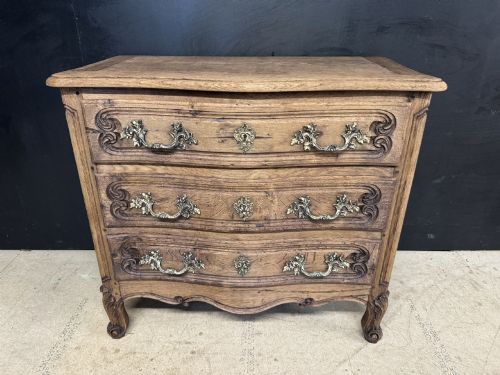
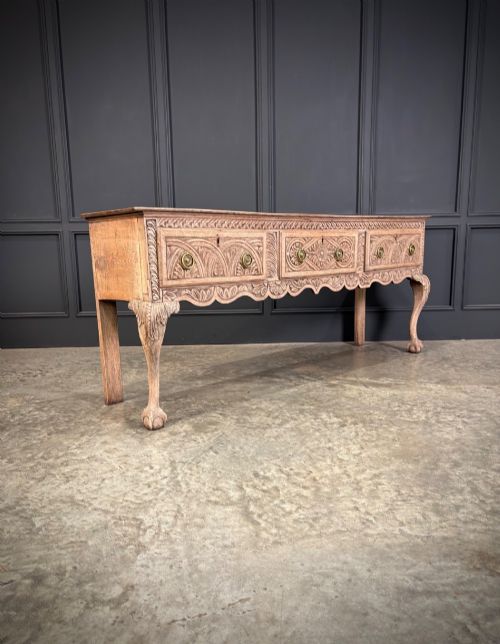
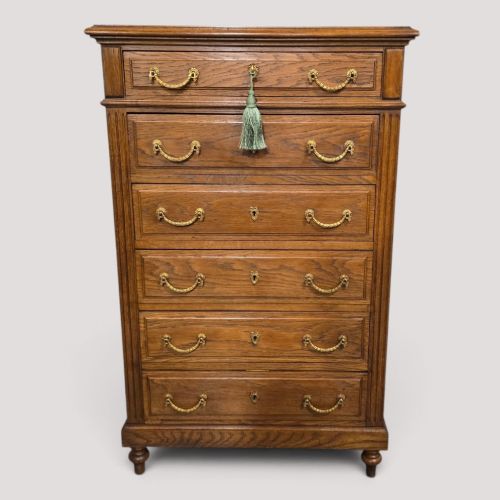
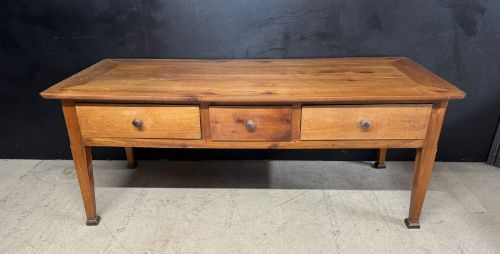
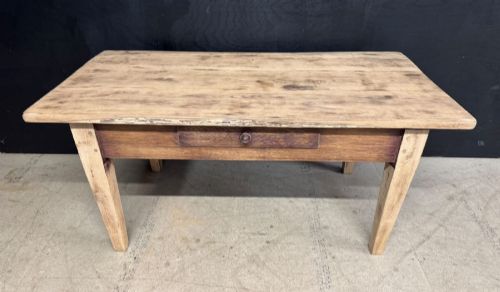
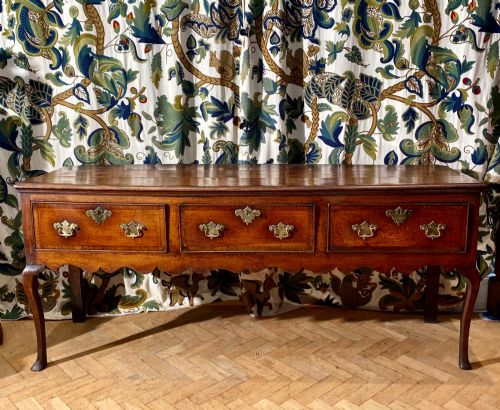
The pieces appearing here include French country chests, Georgian examples, and rustic farmhouse designs featuring multiple storage compartments. Form follows practical function, resulting in solid proportions intended for bedrooms, kitchens, and living spaces. Local cabinetmakers utilised regionally available timber to construct heavy, functional furniture.
Regional variations display distinct decorative carving, panel configurations, and handle placements characteristic of their specific origins. Whether French bleached oak or British Georgian, these items share a heavy reliance on solid framing. Their straightforward utility makes them adaptable additions to contemporary interiors.
Materials and construction methods
Construction relies primarily on solid oak boards supplemented by secondary timbers such as pine or fruitwood in concealed areas. Regional joiners joined panels using traditional framing techniques to accommodate seasonal wood movement. Timber surfaces often display visible grain patterns shaped by hand tools rather than industrial machinery.
Hardware typically consists of cast brass or iron drop handles and keyplates secured to drawer fronts. Structural joints employ pegged mortise and tenon construction, ensuring long-term durability. Some later examples incorporate marble tops or decorative carving applied to the structural oak framework.
Provincial Oak Drawers Retail Price Guide 2026
Typical asking prices for provincial oak drawers among the pieces listed under this phrase on Sellingantiques today, from the lower quarter to the upper quarter. They describe what is for sale here now, not the wider market.
Secretarial desks occasionally retain faint traces of old ink stains hidden inside interior compartments, left behind by industrious past writers.
Distinguishing quality variations
Superior examples exhibit tightly fitted drawer joints and consistent timber selection across both primary facades and structural carcases. The crispness of hand-carved detailing and the symmetry of panel arrangements indicate the maker's competency. Heavy, stable frames without excessive replacement timber represent better-preserved survivals.
Lower quality or heavily restored pieces often show mismatched grain replacement, altered hardware, or compromised structural integrity from damp environments. The retention of original patination and unbleached surfaces elevates the standing of an individual chest. Proportional balance and restrained ornamentation generally signal superior regional craftsmanship.
The Provincial Oak Drawers Glossary
- Chest of drawers
- A primary furniture form consisting of multiple stacked horizontal compartments used for storing clothing and textiles.
- Commode
- A low French storage cabinet or chest of drawers, often featuring decorative front shaping and refined hardware mounts.
- Dresser base
- A low sideboard or cabinet featuring surface workspace above rows of functional storage drawers.
- Bleached oak
- Timber treated to lighten its natural colour, frequently observed on mid-nineteenth and twentieth-century French items.
- Serpentine
- A furniture front profile characterised by a central convex curve flanked by two concave curves.
Provincial Oak Drawers: Frequently Asked Questions
How do I date an oak chest?
Dating relies on examining construction methods, timber preparation marks, and hardware types used within the carcase. Hand-cut dovetails and pegged joinery generally indicate earlier periods.
Secondary woods and drawer lining materials also help narrow down the decade of production. Stylistic motifs provide further clues to whether a piece originates from the eighteenth or nineteenth century.
Are these drawers heavy to move?
Solid oak construction results in considerable weight across most provincial chests and dressers. Moving them usually requires two people to prevent structural strain on the leg joints.
Removing the drawers prior to transport reduces the overall load significantly. Proper lifting protects both the floor surface and the feet of the cabinet.
How should I clean oak surfaces?
Maintenance requires dusting with a dry or slightly damp lint-free cloth to remove everyday particle accumulation. Avoid modern silicone polishes that build up sticky residues over time.
Applying traditional beeswax occasionally helps nourish dry timber and preserve the natural sheen. Keep the wood away from direct heat sources to prevent cracking.
Where were these pieces built?
Makers worked in regional workshops across rural Britain, France, and Spain rather than large urban furniture factories. Local timber yards supplied the primary oak used by these provincial cabinetmakers.
Designs naturally reflected the domestic requirements and aesthetic preferences of specific rural communities. Consequently, distinct regional traits distinguish French examples from British counterparts.