

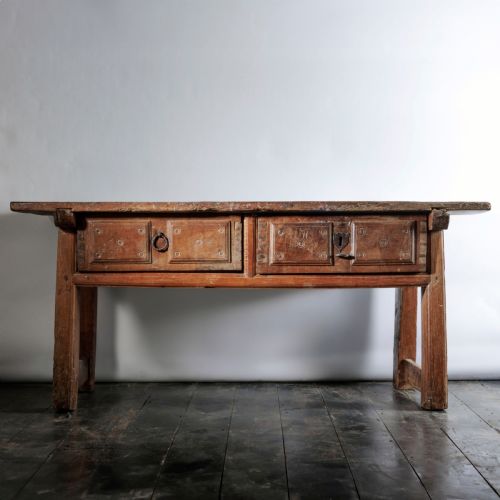
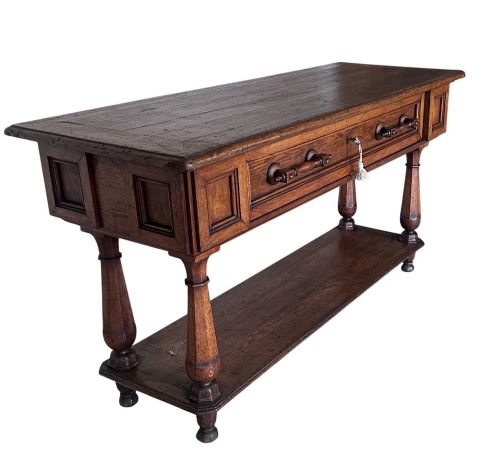
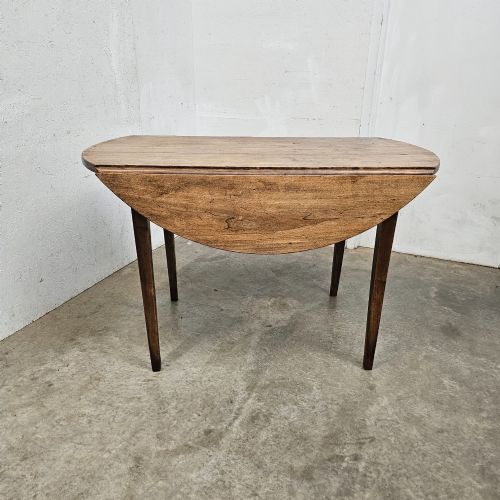
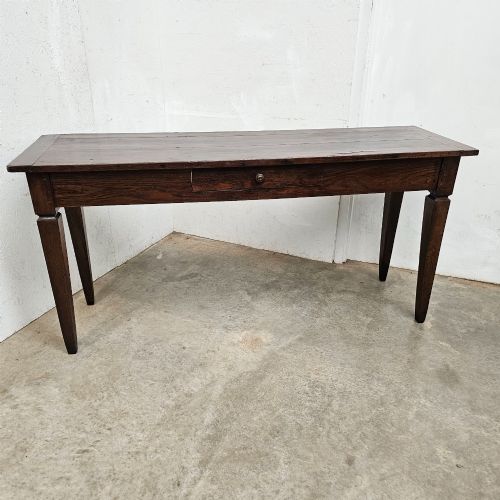




Provincial Oak Console
These provincial oak console tables bring grounded rustic utility and regional character straight into a modern hallway or living space.
Provincial Oak Console
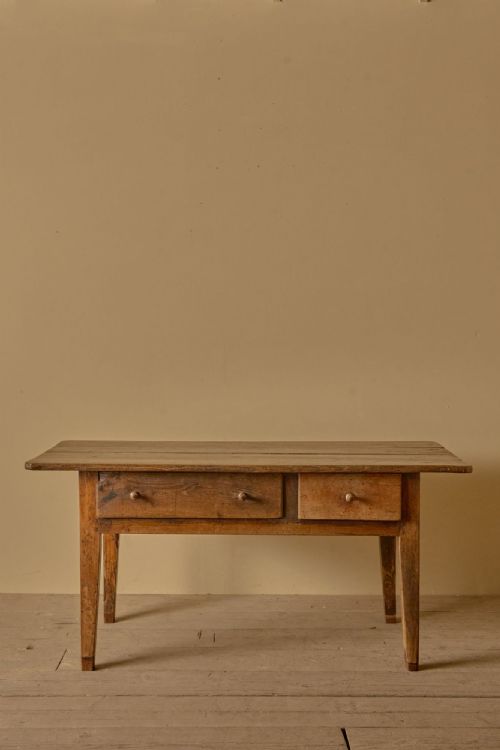
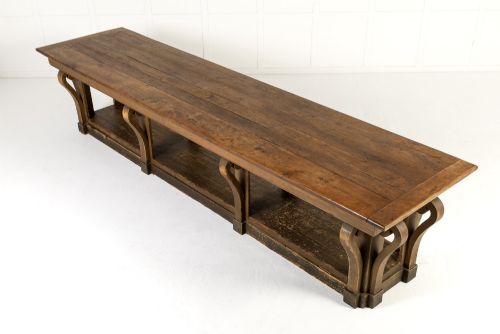
A provincial oak console typically presents as a sturdy rectangular surface suited for narrow spaces, drawing upon French, Spanish, and English country traditions from the eighteenth and nineteenth centuries. You will frequently encounter forms functioning as serving tables, work tables, and drapers tables alongside dedicated console tables.
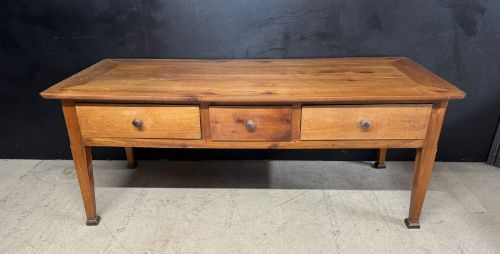
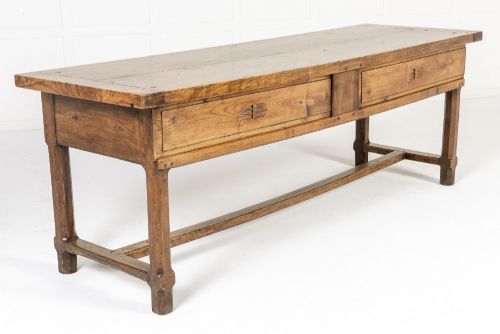
These regional tables often feature utilitarian modifications such as tiers, drop leaves, or drawers, reflecting their original practical uses in domestic and commercial settings. The pieces span periods from the eighteenth century through to the early twentieth century, incorporating related timbers like elm, fruitwood, and pine.
Materials and construction
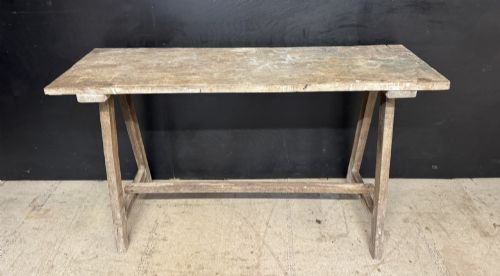
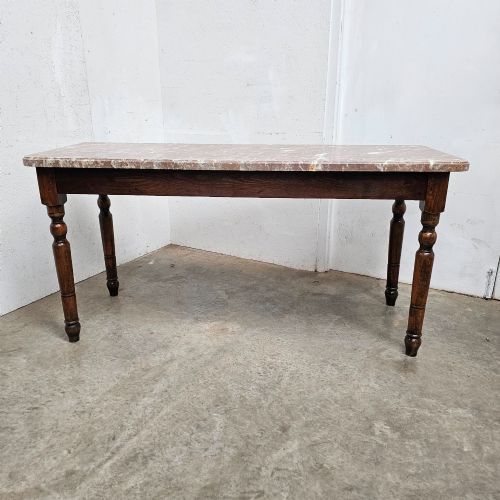
Construction relies primarily on solid oak timbers, frequently paired with secondary woods such as elm, fruitwood, poplar, and pine for internal or structural elements. Surfaces occasionally display traces of historical paint or are bleached to a lighter tone, while select tables incorporate heavy marble slabs for specialised utility.
Joinery methods reflect traditional regional carpentry, producing robust trestle frames, lowboy bases, and pegged joints designed for demanding daily labour. Metal hardware is generally limited to functional brass handles or simple fastenings where drawers are present.
Provincial Oak Console Retail Price Guide 2026
Typical asking prices for provincial oak console among the pieces listed under this phrase on Sellingantiques today, from the lower quarter to the upper quarter. They describe what is for sale here now, not the wider market.
Listings for provincial oak console tables span the eighteenth, nineteenth, and early twentieth centuries, frequently incorporating marble tops and elm secondary woods.
Assessing quality and integrity
Quality rests heavily on the degree of original surface patination and the retention of primary timbers without excessive modern intervention. Pieces retaining their authentic structural integrity, regional proportions, and period fixings command greater appreciation among collectors.
The Provincial Oak Console Glossary
- Console table
- A table designed to stand against a wall, often featuring a decorative front and simplified rear supports. These items provide surface space in hallways and living rooms without blocking thoroughfares.
- Drapers table
- A long, utilitarian table traditionally utilised in textile shops for folding cloth. They usually offer generous surface areas and sturdy underframing.
- Lowboy
- A small oak table fitted with one or more rows of drawers, commonly standing on four legs. This form originated in the seventeenth century and continued through the Georgian period.
- Trestle table
- A table consisting of two or more support frames connected by a horizontal beam over which the top rests. This ancient construction allows for maximum legroom along the length of the table.
Provincial Oak Console: Frequently Asked Questions
Where should I place a console table?
These tables fit naturally in narrow hallways, entryways, or positioned against living room walls where surface space is required without bulk.
Their restrained depths ensure they do not obstruct foot traffic while providing a practical place for lamps or decorative objects.
How do I clean an antique oak surface?
Dust the timber regularly with a dry, soft cloth to prevent grit accumulation in the grain.
Avoid modern silicone polishes, opting instead for traditional beeswax applied sparingly to nourish the antique wood.
Can I use a work table for dining?
Many provincial work tables and drapers tables offer adequate height and clearance for casual seating.
Check the knee clearance beneath the drawers or aprons before pairing chairs with a specific table.
What is the difference between a console and a side table?
Console tables are specifically designed to stand directly against a wall, frequently featuring finished front details and simpler backs.
Side tables are typically finished on all sides and can float more freely within a room layout.