

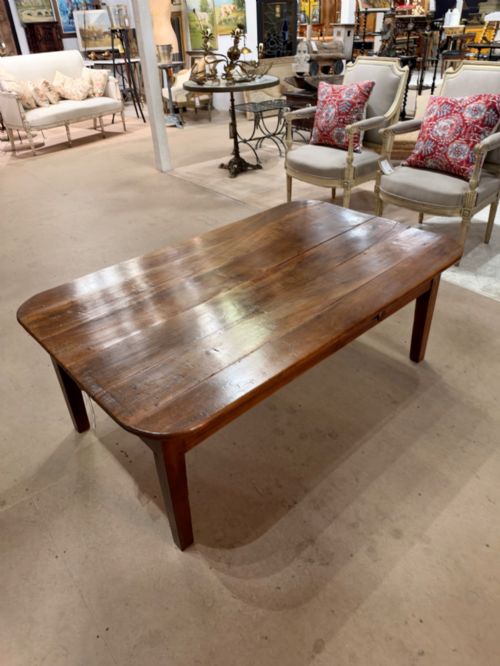
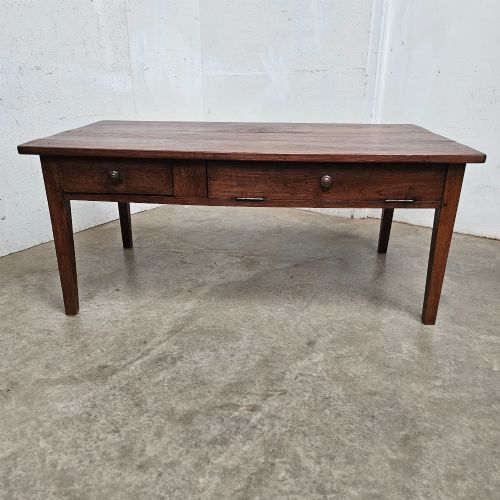
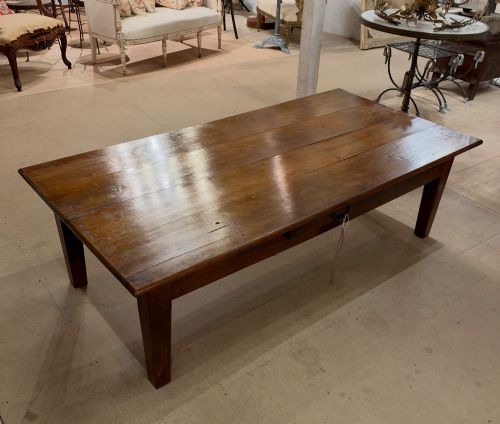
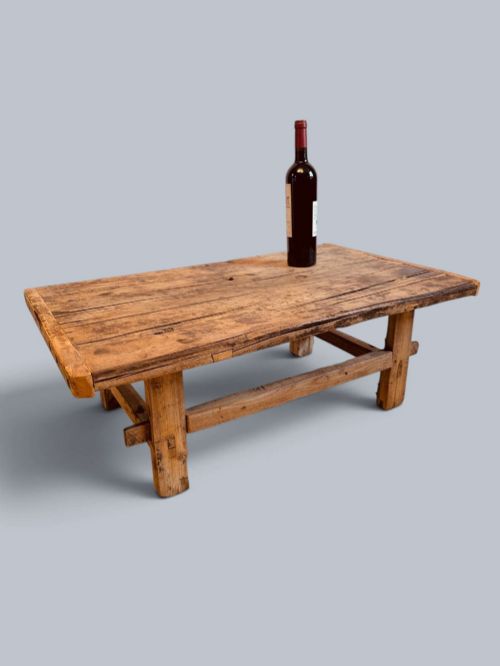


Provincial Low Table
A provincial low table brings domestic history into a modern room, offering low surfaces shaped by centuries of French and British rural life.
Provincial Low Table
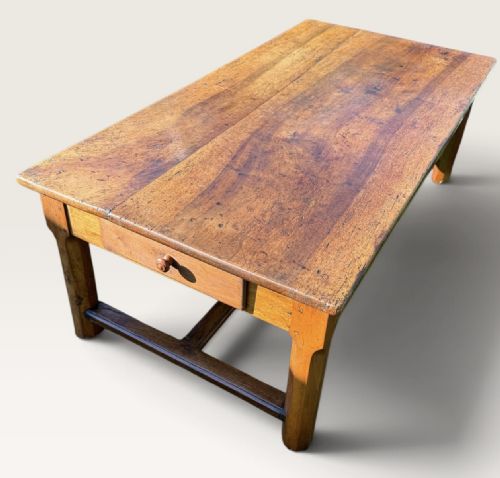
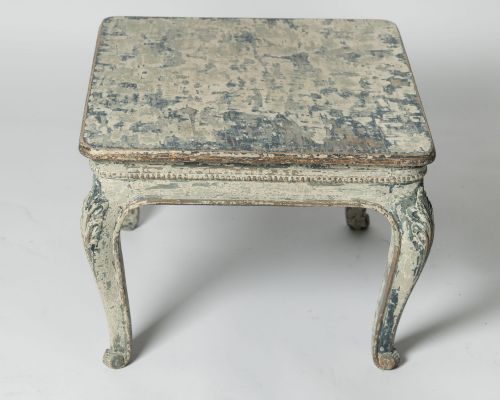
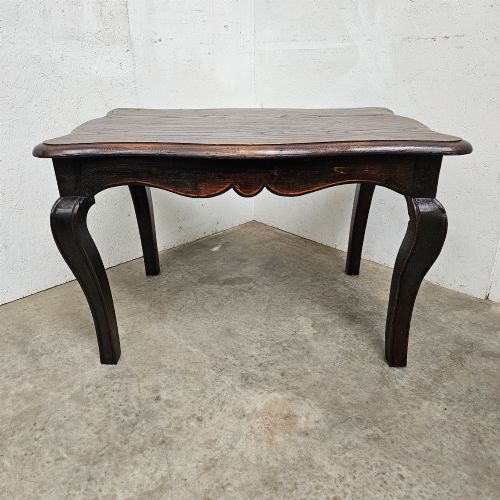
A provincial low table is typically encountered as a coffee table, side table, or adapted bench originating from rural workshops in France and Britain. These pieces span multiple periods, from the eighteenth century through to the early decades of the twentieth century, reflecting local domestic habits rather than courtly furniture design.
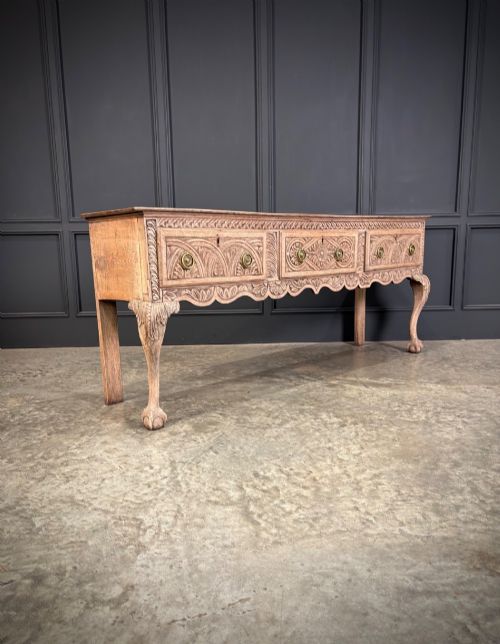
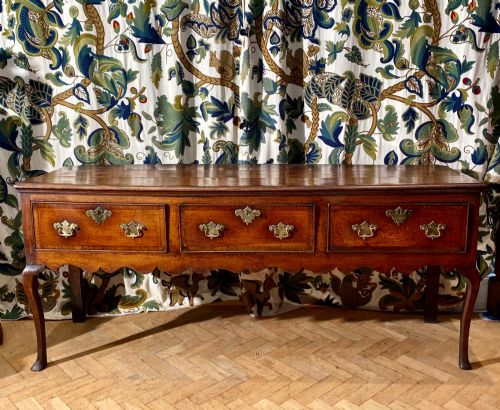
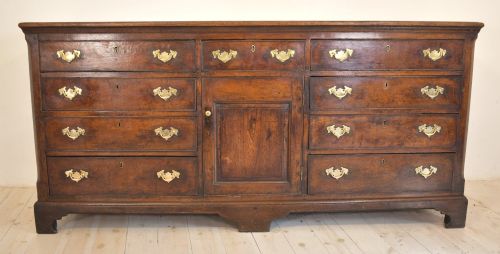
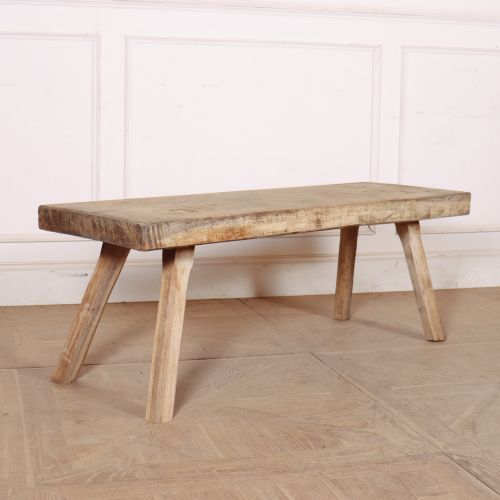
The selection here draws heavily on French provincial forms alongside British regional pieces such as oak dresser bases and low boys. Many examples began life as higher tables, workbenches, or dough-proving boxes before being lowered to suit contemporary living rooms.
Buyers will find coffee tables and low tables rendered in various timbers, accompanied by occasional side tables and seating forms adapted for low placement. Their scale suits modern reception rooms while retaining the character of rural utility.
What varies in quality
Quality rests on the integrity of the timber and the honesty of the conversion from its original height. Tables retaining their original proportions and uncompromised structural joins command greater interest than heavily altered pieces.
The finesse of regional carving and the choice of wood set finer examples apart from utilitarian workbenches. Walnut and figured fruitwoods demonstrate a higher grade of craftsmanship compared to plain pine or scrubbed utility timbers.
Provincial Low Table Retail Price Guide 2026
Typical asking prices for provincial low table among the pieces listed under this phrase on Sellingantiques today, from the lower quarter to the upper quarter. They describe what is for sale here now, not the wider market.
One unexpected survivor previously held dough rather than coffee, serving time as a French walnut coffer before losing its legs.
The Provincial Low Table Glossary
- Parquetry
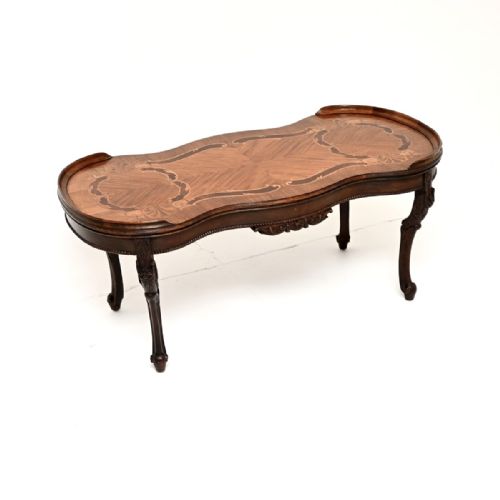
- Geometric wood mosaic work used to pattern tabletops, particularly in French pieces. This technique creates visual texture through contrasting timber grains.
- Dresser base
- The lower section of a traditional kitchen dresser featuring drawers or cupboards. These robust units frequently form the basis for low tables.
- Low boy
- A small eighteenth-century dressing table with drawers, raised on relatively tall legs. Its compact proportions suit contemporary placement as a side table.
- Fruitwood
- Timber derived from fruit-bearing trees such as cherry or apple, valued for its warm tone. It was widely used in regional French cabinetmaking.
- Trestle table
- A table comprising horizontal beams supported by pair of vertical frames. This form provides stable support for heavy plank tops.
Provincial Low Table: Frequently Asked Questions
How do I clean a wooden low table?
Dust regularly with a dry cloth and apply a quality beeswax periodically to nourish the timber. Avoid using modern chemical sprays or soaking the surface with water.
Maintaining the natural patina preserves the historic character of the wood without stripping away centuries of handling and wear.
Were these always coffee tables?
Most antique examples began life as taller dining tables, work benches, serving tables, or storage chests. They were subsequently reduced in height to function as coffee tables in modern homes.
Certain pieces, such as low boys and specific low tables, were originally manufactured with low proportions for specialised domestic tasks.
How do I date an oak provincial table?
Examine the construction methods, tool marks on the underside of the timber, and the type of joinery used by the carpenter. Pegged joints and hand-cut elements generally point towards earlier eighteenth-century manufacture.
Timber shrinkage and natural wear patterns across the top offer further clues to the age and origin of the piece.
Will a fruitwood table match my room?
Fruitwood possesses a warm, mellow tone that blends easily with both antique and contemporary interior schemes. Its natural grain sits comfortably alongside oak, walnut, and painted finishes.
These pieces add visual warmth and historical contrast to minimalist or modern living spaces.