





Provincial Bookcase
A provincial bookcase brings regional character and robust utility into a room, offering sturdy shelving framed by local timbers and regional design traditions.
Provincial Bookcase
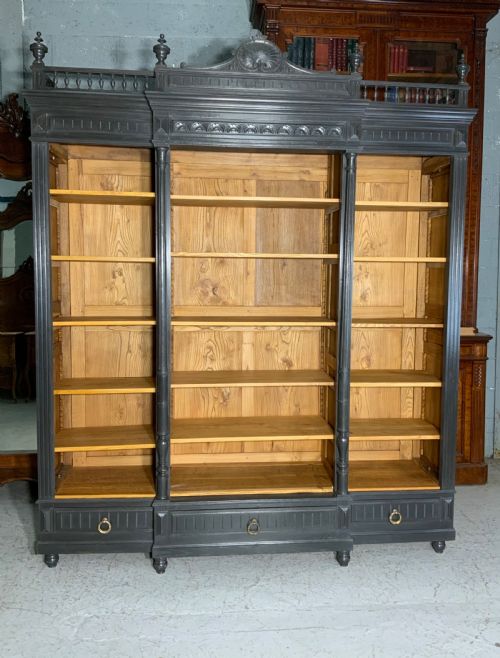
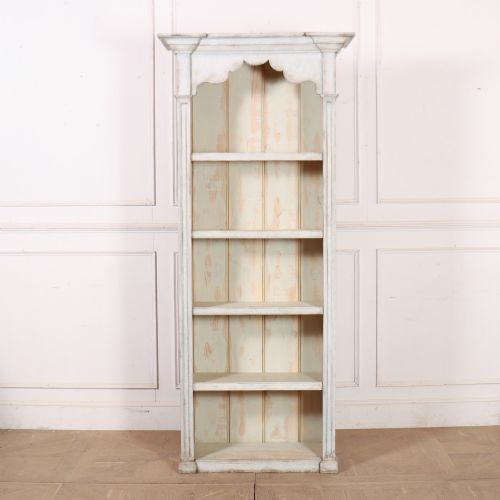
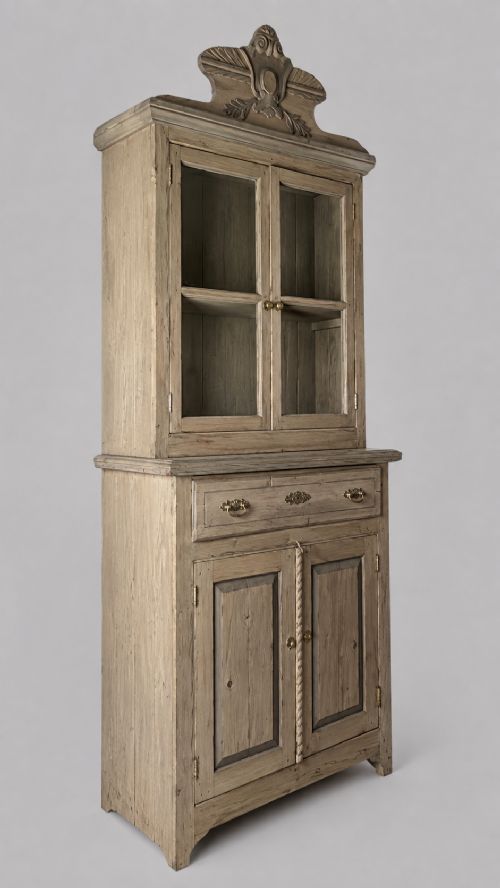
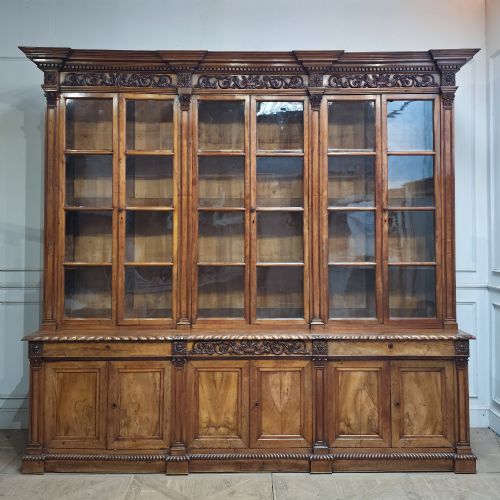
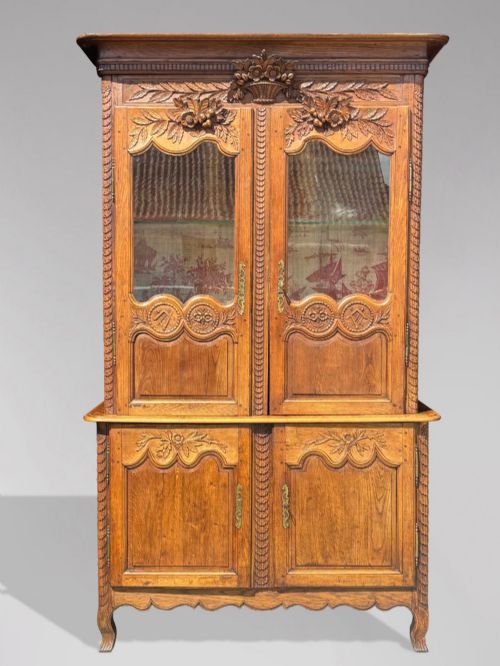
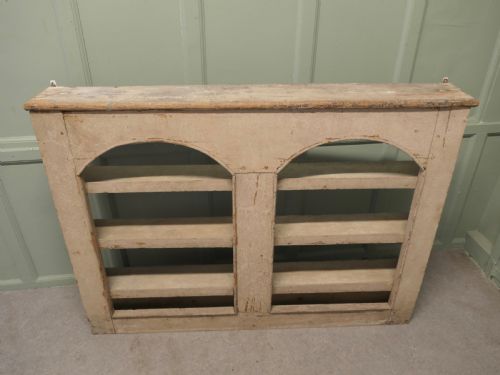
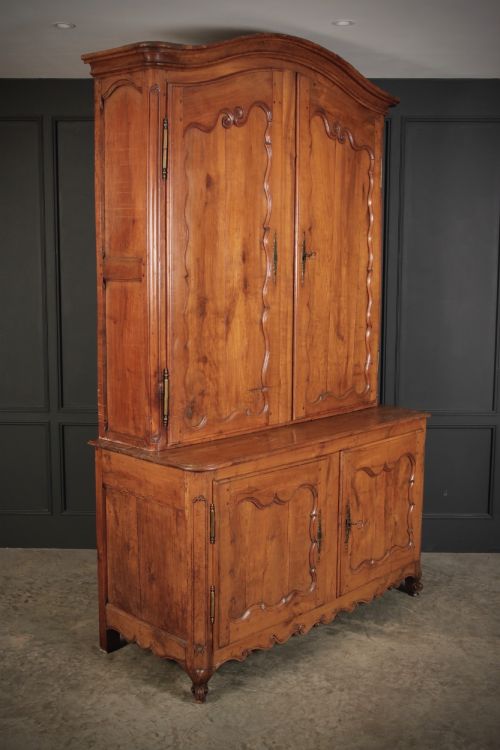
When you search for a provincial bookcase, you are looking at practical storage pieces built outside metropolitan centres, predominantly originating from French regions alongside examples from English and North European workshops. These items range from towering library cupboards and glazed display cabinets down to diminutive dwarf bookcases, wall shelves, and kitchen dressers designed for daily utility.
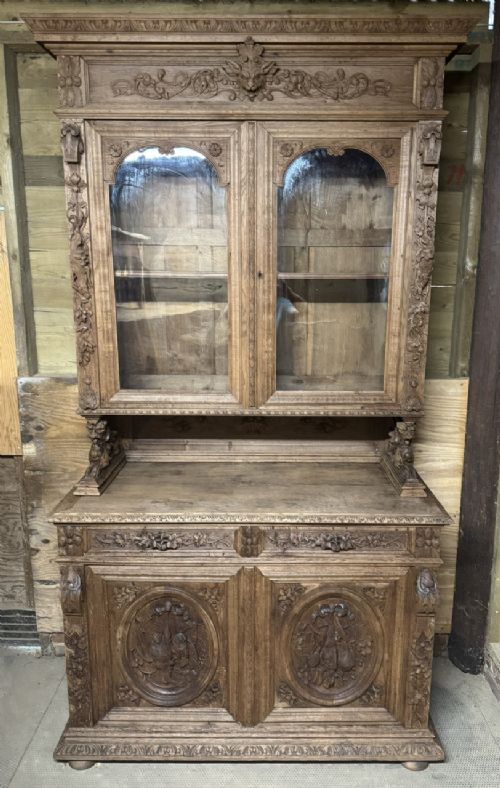
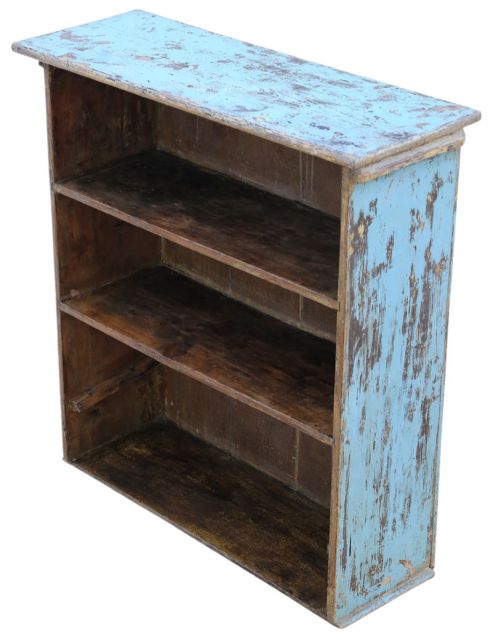
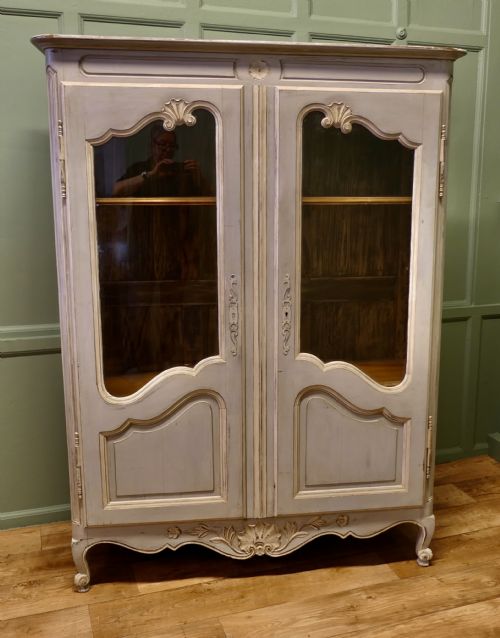
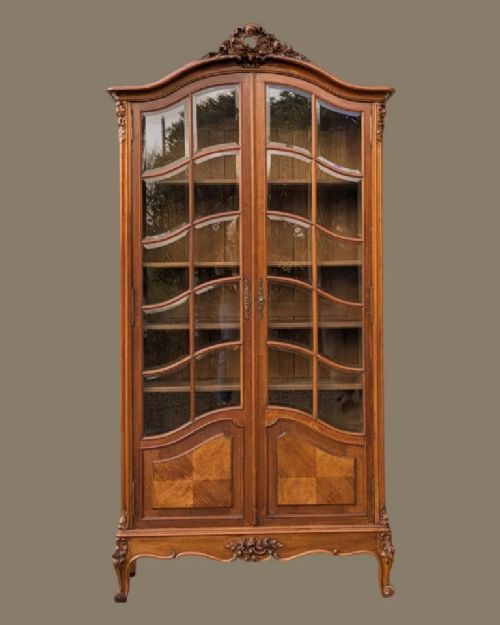
The version you are most likely to meet on this page is a French provincial piece spanning the eighteenth and nineteenth centuries, often constructed in regional woods like oak, walnut, or cherry. Alongside tall double-door vitrines and buffet deux corps, you will find painted wood finishes, rustic farmhouse shelving, and glazed cupboards intended to store books and display domestic wares.
Materials and construction methods
Makers utilised solid regional timbers such as oak, walnut, pine, cherry, and mahogany to build these cabinets, frequently finishing the exterior surfaces with hand paint, bleaching, or liming techniques. Metal hardware in brass and iron appears on hinges, locks, and handles, whilst glass panels feature in doors designed for display cabinets and glazed cupboards.
Construction relied on traditional hand-carving methods, visible in turned legs, applied mouldings, and detailed panels typical of regional styles like Louis XV revival and French hunting designs. Structural variations include two-piece commode and vitrine combinations, adjustable shelving systems, and concave glass configurations.
Provincial Bookcase Retail Price Guide 2026
Typical asking prices for provincial bookcase among the pieces listed under this phrase on Sellingantiques today, from the lower quarter to the upper quarter. They describe what is for sale here now, not the wider market.
Listings feature eighteenth-century and nineteenth-century pieces alongside turn-of-the-century examples from eighteen-eighty to nineteen-twenty.
Distinctions in quality
The standard of a provincial bookcase rests largely on the choice of timber and the integrity of its regional construction. Pieces fashioned from solid figured walnut or dense eighteenth-century oak display a permanence and weight absent in simpler pine or later factory-made alternatives.
Subtleties in hand-carved ornamentation, such as crisp floral motifs or well-executed turned legs, elevate specific pieces above standard utilitarian storage. The preservation of original painted surfaces, authentic glass panes, and balanced proportions further separates exceptional regional items from ordinary utility furniture.
The Provincial Bookcase Glossary
- Vitrine
- A glass-fronted cabinet designed for displaying books, porcelain, or curiosities. These pieces often feature single or double doors with wooden framing.
- Buffet deux corps
- A substantial two-part storage cabinet featuring a lower cupboard section surmounted by an upper display or shelving unit. This form provides heavy-duty architectural storage for regional homes.
- Dwarf bookcase
- A low-standing bookcase designed to sit beneath window height or within alcoves. Such pieces allow for surface display on top while housing books below.
- Etagere
- An open shelving unit used for displaying decorative objects and books. These structures rely on slender uprights rather than solid enclosed sides.
- Dresser
- A dual-purpose kitchen or dining room furniture item combining lower cupboards or drawers with upper open shelves. English West Country and French variants often integrate glazed doors.
Provincial Bookcase: Frequently Asked Questions
What is a provincial bookcase?
A provincial bookcase is a regional storage piece built outside major capital cities, typically featuring local timbers and traditional craftsmanship. These items encompass tall library cupboards, glazed vitrines, and open wall shelves.
Originating mostly from French provinces alongside English and North European workshops, they emphasise practical storage combined with vernacular stylistic details.
How do I date an antique bookcase?
Dating involves examining the timber species, construction joints, hardware, and stylistic indicators such as carved mouldings or painted finishes. Eighteenth-century examples frequently employ heavy oak or cherry with hand-forged iron and brass fittings.
Nineteenth-century pieces often introduce figured walnut, glazed doors, and revival styles like Louis XV, while later items incorporate adjustable shelving mechanisms.
Where should I place a glazed cabinet?
Glazed cabinets and vitrines suit living rooms, studies, or dining spaces where books and collections benefit from dust-free visibility. Their glass doors help reflect natural light within smaller rooms.
Ensure placement avoids direct, harsh sunlight to protect antique timber finishes and paper bindings on older volumes.
Are these bookcases suitable for modern homes?
These versatile pieces adapt readily to contemporary interiors by providing functional book storage alongside strong decorative presence. Their varied scales range from massive library units to diminutive dwarf bookcases suited for tight alcoves.
Natural wood grains, painted surfaces, and regional patinas introduce tactile warmth into modern living environments.