


Provencal Landscape
These provencal landscape works capture the light and scenery of the French South through oils and charcoal on canvas and panel.
Provencal Landscape
A provencal landscape brings the distinctive light, olive trees, and farmhouses of the South of France directly into view. Buyers searching for a provencal landscape encounter subjects ranging from coastal scenes to quiet courtyards and rural farmhouses.
The pieces recorded here span several decades, moving from Victorian and early twentieth-century interpretations through the art deco period and mid-century modern works. Paintings on canvas and wooden panel form the core of what appears.
Many of these works focus on specific regional motifs such as washerwomen by water, craggy stone, and coastal jetties. French artists alongside international painters working in France created these coastal and inland views.
Materials and construction
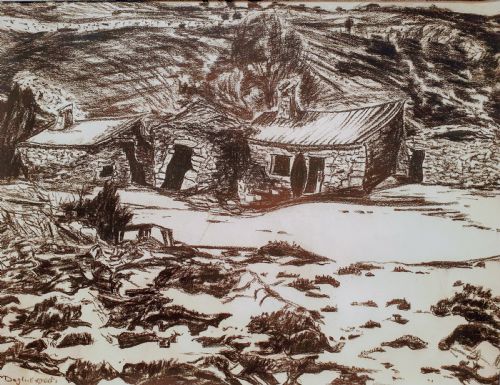
Oil paint applied to canvas, wooden panel, or board dominates the surviving output, offering thick textures and rich pigment layers. Charcoal on paper appears for works emphasising line and movement, such as windy days under the mistral.
Support materials range from traditional stretched canvas to wooden panels and paper laid on canvas. Frames in wood complete many of these pieces, preserving the edges and surfaces of the artwork.
Provencal Landscape Retail Price Guide 2026
Typical asking prices for provencal landscape among the pieces listed under this phrase on Sellingantiques today, from the lower quarter to the upper quarter. They describe what is for sale here now, not the wider market.
Styles represented range from Post-Impressionism and the Barbizon School to Art Deco and Mid-Century Modern.
Variations in quality
The handling of light and shadow distinguishes the most accomplished pieces from simpler decorative works. Stronger works demonstrate a confident command of colourist palettes, particularly in depicting purple hills and sunlit foliage.
Surface preservation and the integrity of the original support material also define the quality tier. Works retaining their original framed context and stable pigment layers hold greater visual cohesion.
Jean-Baptiste Olive·Majorie Hoare·Henri Joseph Harpignies
The Provencal Landscape Glossary
- Oil on canvas
- Pigment mixed with drying oil applied to a woven fabric stretched across a wooden frame. This method allows for varied brushwork and rich texture.
- Oil on panel
- Pigment applied directly to a rigid wooden support. This surface provides a firm base that resists the flexing associated with canvas.
- Charcoal
- Dry drawing material made from charred organic matter, producing deep black marks on paper. It is frequently used for rapid sketches and expressive studies.
- Colourist
- An artist who prioritises hue and saturation to convey emotion and atmosphere rather than strict naturalism. These works often feature bold palettes representing southern light.
Provencal Landscape: Frequently Asked Questions
What periods do these paintings come from?
The available works span from the Victorian era and early twentieth century through the art deco period and the nineteen-fifties. This timeline covers shifting artistic movements across several decades.
Mid-century and earlier twentieth-century pieces represent the largest portion of the available selection.
What surfaces are used for these artworks?
Artists utilised canvas, wooden panels, board, and paper as supports for their compositions. Oil paint serves as the primary medium across these surfaces.
Charcoal on paper also appears for expressive preparatory drawings and line-focused views.
How should I display a framed oil painting?
Keep paintings away from direct sunlight and damp environments to protect the canvas and wooden frame. Stable indoor temperatures prevent the paint and panel from cracking.
Ensure the hanging hardware securely supports the weight of the framed artwork.