

Project Armchair
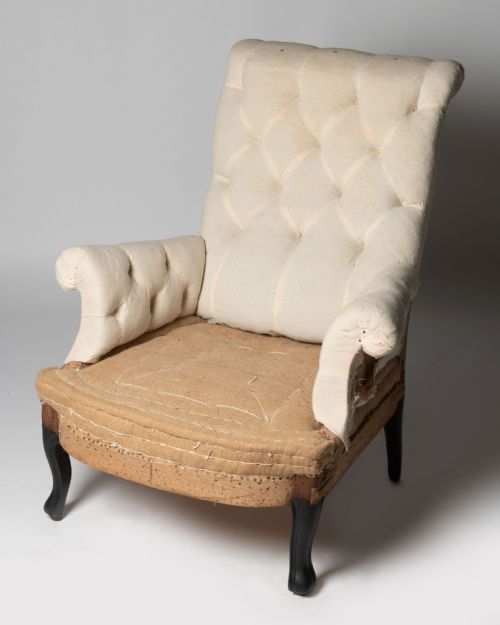
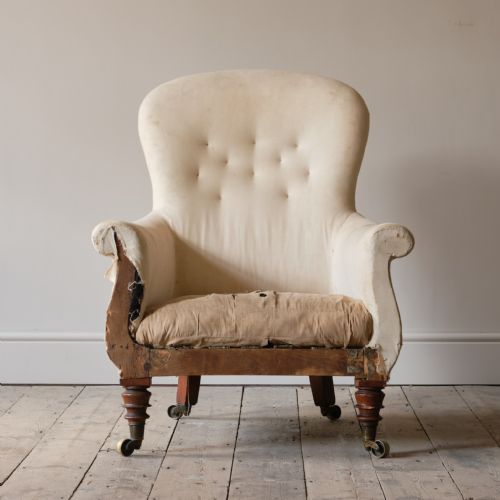
A project armchair sits waiting for proper restoration, offering the chance to shape a classic seating form with your own choice of fabric.
Project Armchair
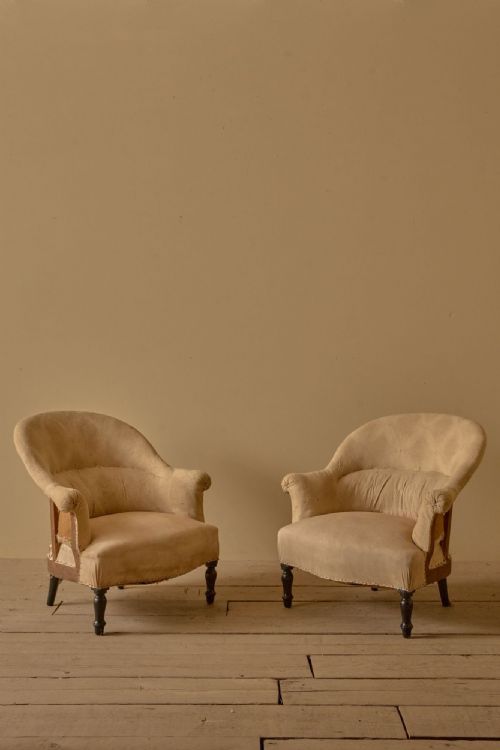
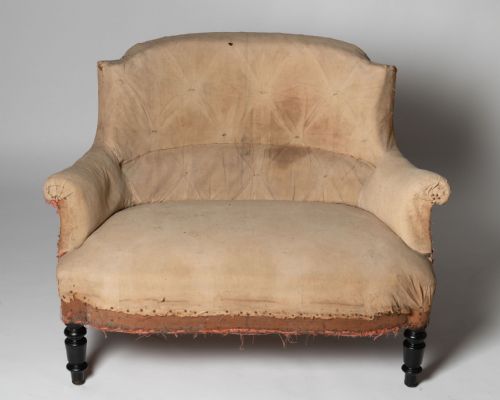
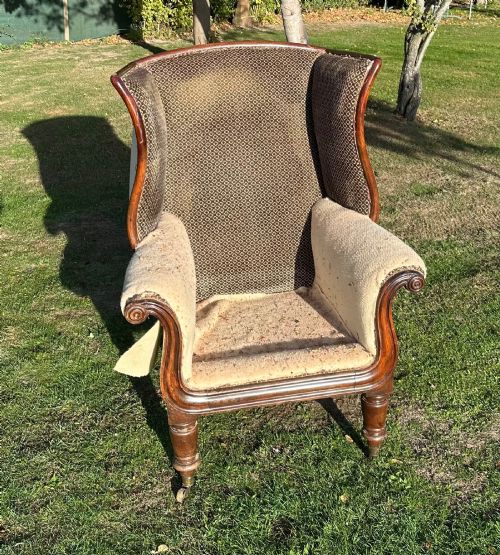
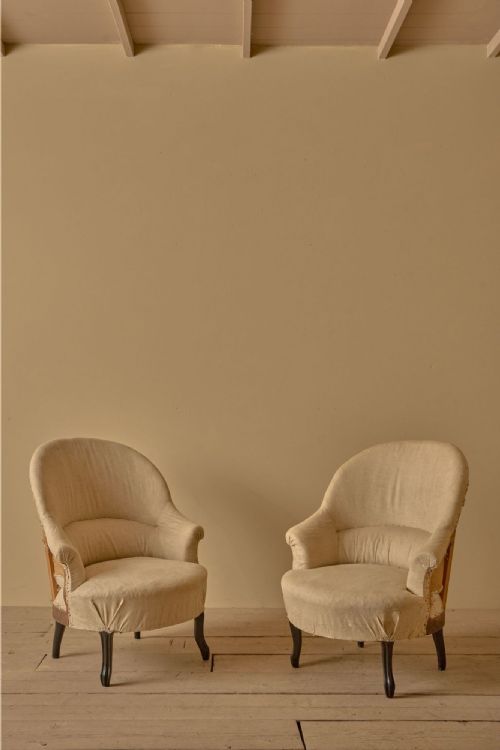
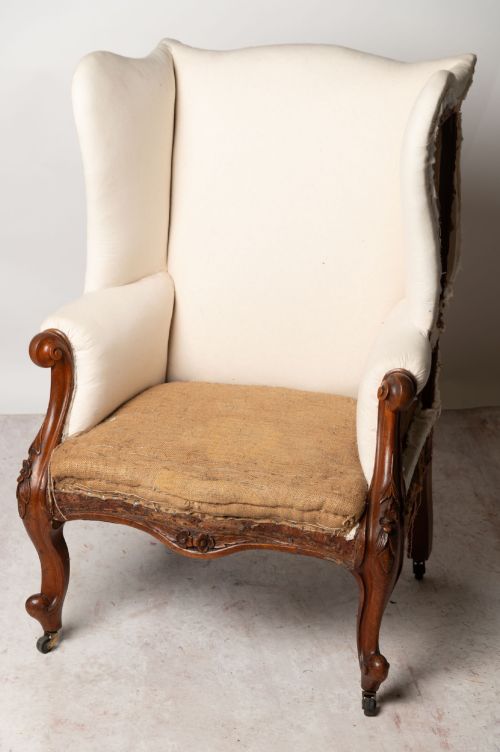
A project armchair is a seating antique sold in need of upholstery work, structural attention, or complete restoration. Buyers seek these pieces to revive traditional forms such as the English country house armchair, the wingback chair, or the compact Napoleon III tub chair.
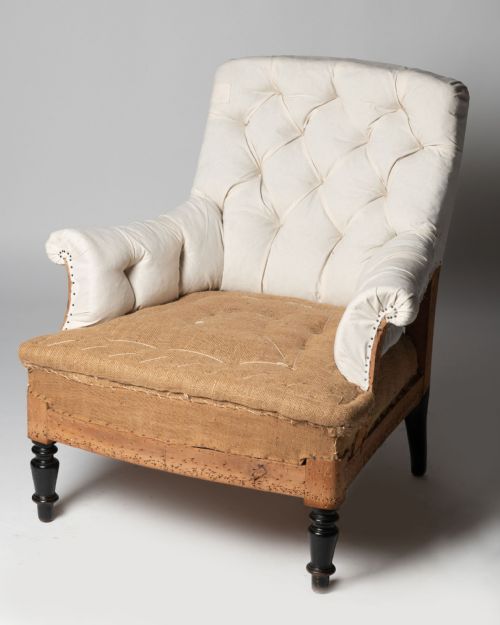
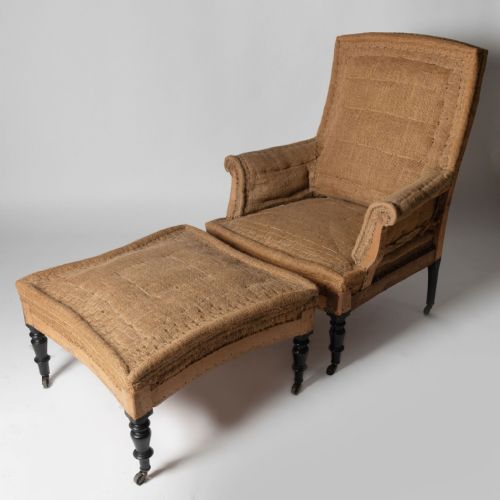
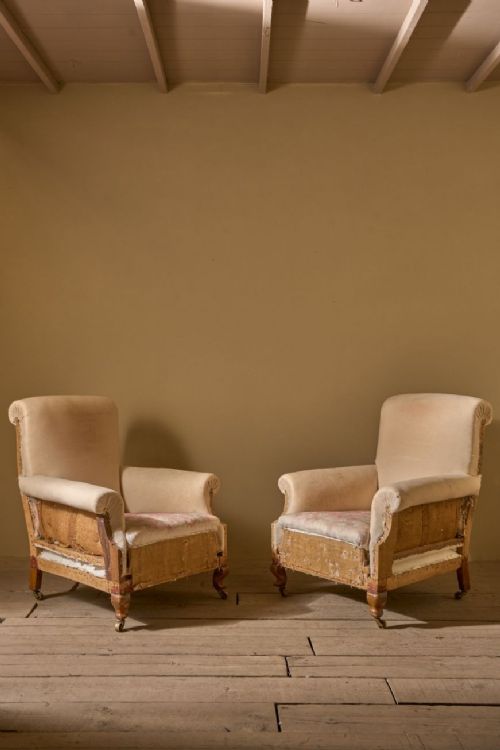
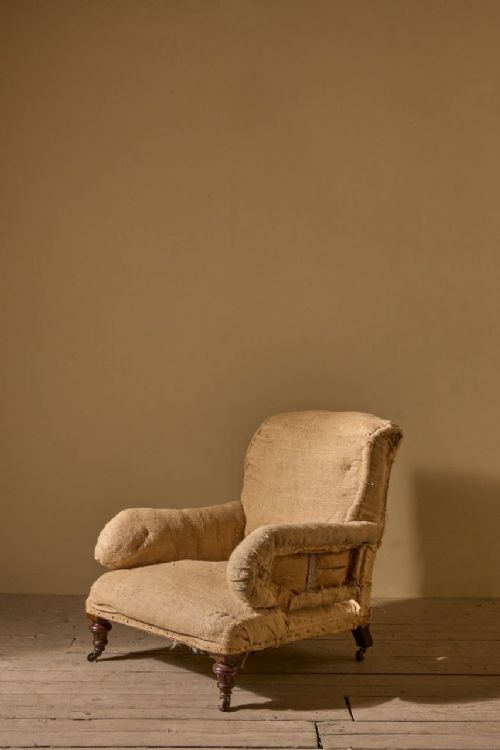
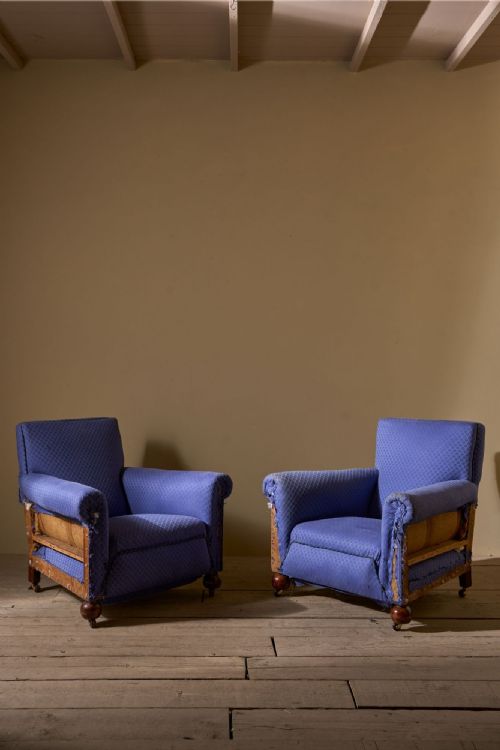
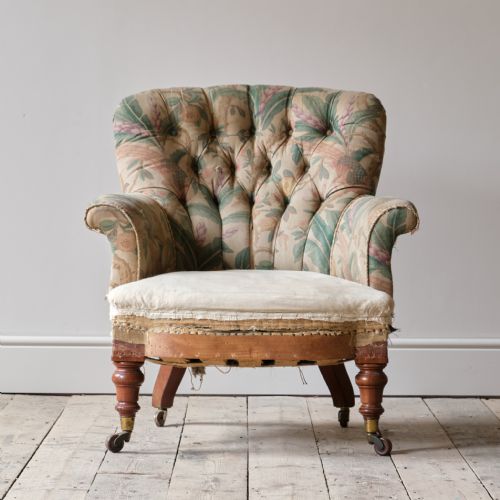
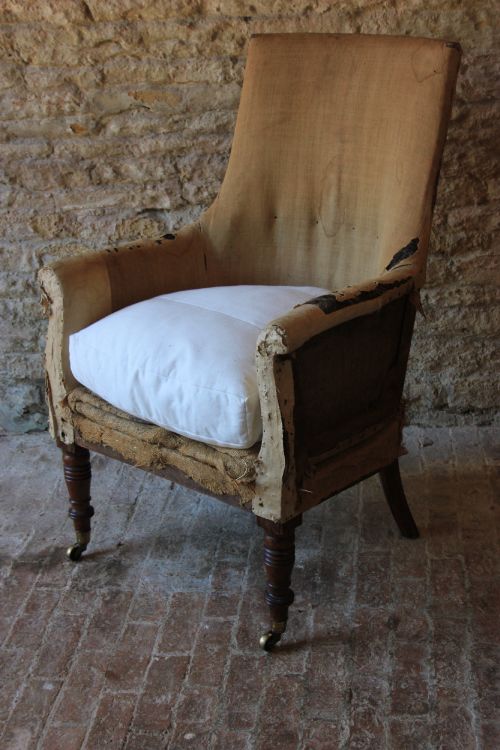
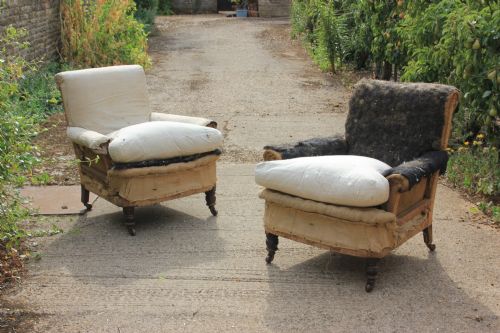
The pieces appearing on this page span several centuries, with a strong showing of Victorian, Edwardian, and nineteenth-century examples. You will frequently encounter chairs stripped down to their calico or hessian stages, ready for a fresh covering of fabric.
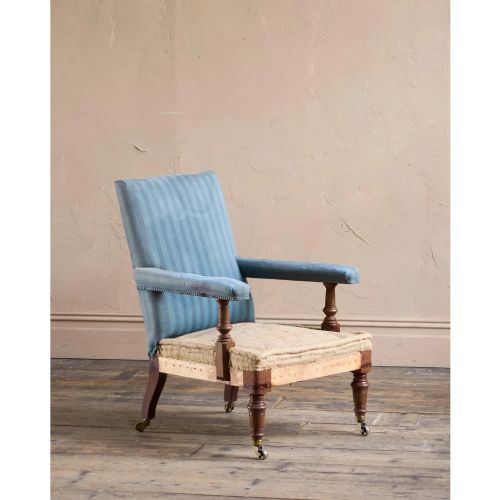
Many items carry the distinct proportions of nineteenth-century country house seating, featuring deep seats and scroll backs designed for comfort. Others follow specific historical revivals, including Regency library chairs and eighteenth-century walnut Queen Anne wing armchairs.
Materials and construction
Frames are constructed from sturdy timbers such as mahogany, walnut, and general wood, providing a solid skeleton built to endure centuries of use. Traditional stuffing materials like horsehair layer the interior, secured beneath foundational layers of hessian and calico before the final top fabric goes on.
Project Armchair Retail Price Guide 2026
Typical asking prices for project armchair among the pieces listed under this phrase on Sellingantiques today, from the lower quarter to the upper quarter. They describe what is for sale here now, not the wider market.
The selection spans multiple eras, including eighteenth-century walnut wing chairs, Regency library chairs, and Edwardian barrel backs.
Judging quality in unrestored seating
Quality rests primarily in the integrity of the wooden frame and the precision of the original joinery. A sturdy, well-carved mahogany or walnut skeleton offers a superior foundation compared to simpler timber frames.
Proportion and scale dictate the visual success of the piece, particularly in large country house armchairs and scroll back designs. The presence of maker attribution, through stamps or known workshop styles, elevates the standing of an individual chair.
Morison and Co·Gillows·Howard and Sons·Hamptons and Sons
The Project Armchair Glossary
- Calico stage
- The intermediate upholstery phase where unbleached cotton fabric is pulled tight over the horsehair stuffing and webbing before the decorative top cover is applied. This allows a restorer to check the lines of the armchair.
- Hessian
- A coarse woven fabric, often made from jute, used as the foundational layer to support internal stuffing within traditional seating. It forms the base beneath the horsehair and calico.
- Horsehair
- A traditional natural stuffing material prized for its springiness and durability in antique upholstery. It packs tightly into arms, backs, and seats to maintain shape over decades of use.
- Tub chair
- An upholstered armchair with a rounded back that curves continuously into the arms, creating a protective, enclosed shape. Napoleon III examples frequently use this compact form.
- Wingback chair
- An armchair featuring high sides and extending wings designed to shield the sitter from drafts and retain heat from a fireplace. Early examples often rest on walnut or mahogany frames.
Project Armchair: Frequently Asked Questions
What does a project armchair need?
A project armchair typically requires varying degrees of upholstery work, ranging from new top fabric to complete internal rebuilding using traditional horsehair and hessian.
Some pieces arrive stripped back to their calico stage, while others retain worn upholstery that must be removed entirely before restoration begins.
How do I identify the period?
Dating relies on examining the timber of the frame, the turning of the legs, and the overall silhouette of the armchair. Victorian and Edwardian pieces often show generous proportions, whereas earlier eighteenth-century or Regency examples display distinct stylistic carving.
Construction methods and secondary woods hidden beneath the upholstery also provide clear clues to the age of the piece.
Are these chairs comfortable?
Many project armchairs, particularly nineteenth-century country house designs, were built with deep seats and generous padding intended for long hours of relaxation. Once the internal horsehair stuffing and springs are restored, they offer exceptional physical support.
The final comfort level often depends on the quality of the upholstery work carried out during the restoration process.
Can I choose my own fabric?
Buying an armchair in need of upholstery allows you to select a top covering that suits your interior scheme. Because many listings are sold ready for recovering, you have complete freedom to use antique textiles, modern prints, or heavy wools.
Upholsterers can work directly from the calico stage to apply your chosen material to the frame.