


Profile Portrait Art
Profile portrait art captures the human likeness from the side, preserving Georgian cut silhouettes, Regency glass paintings, and Victorian miniatures.
Profile Portrait Art
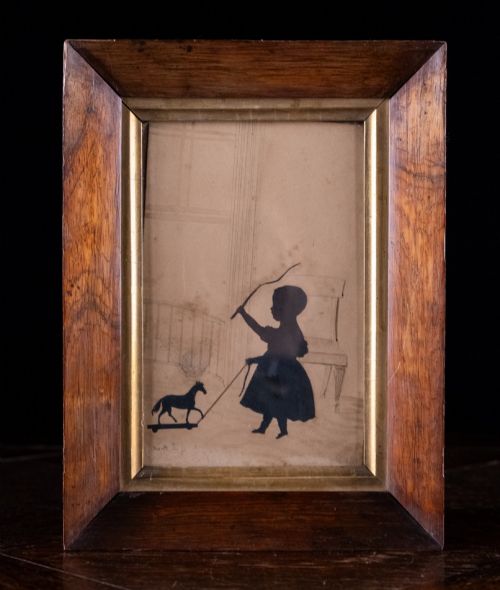
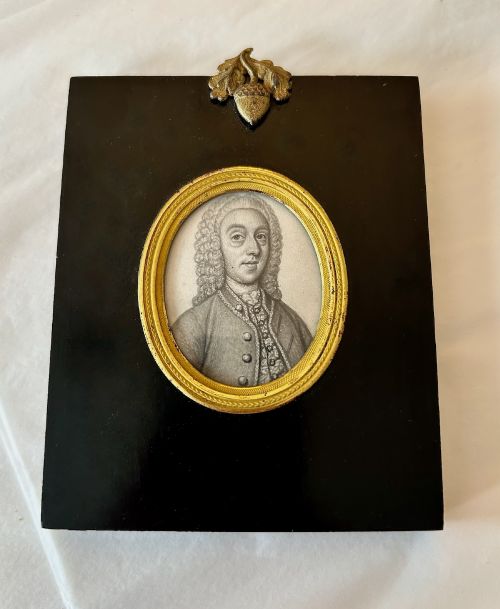
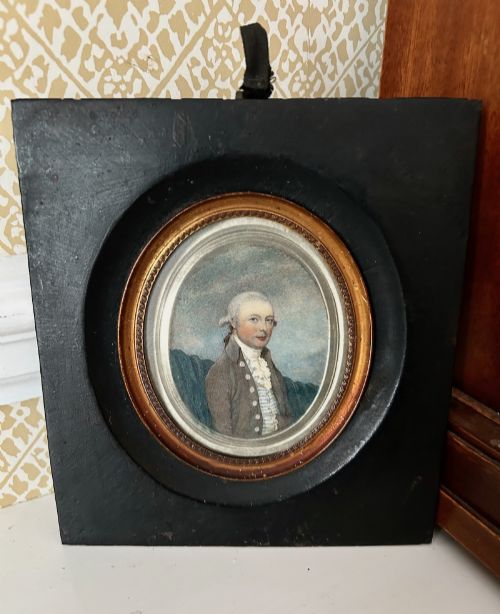
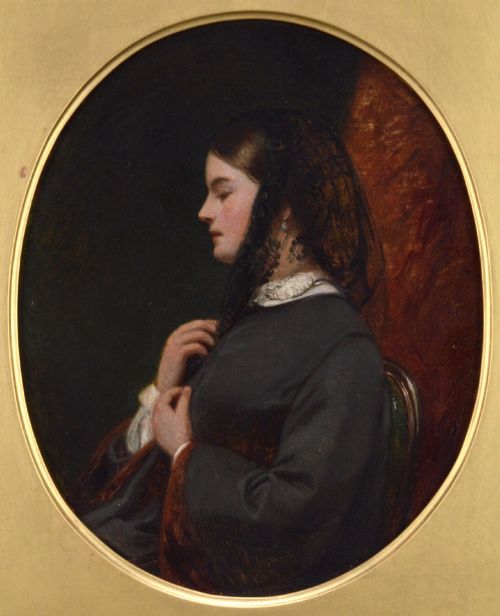
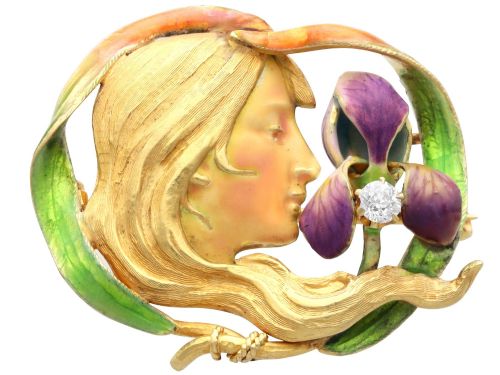
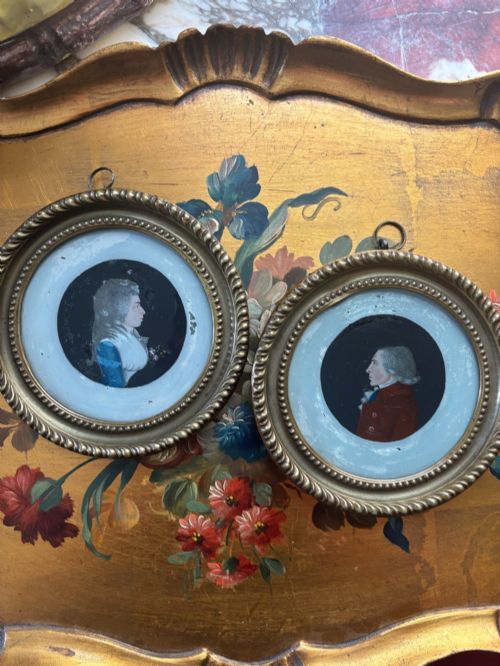
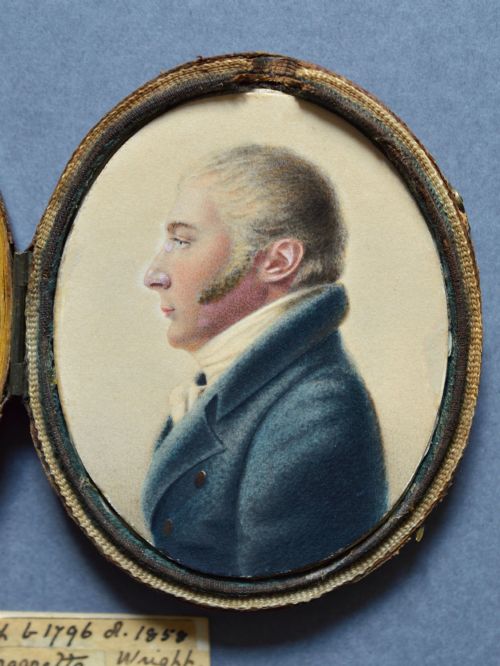
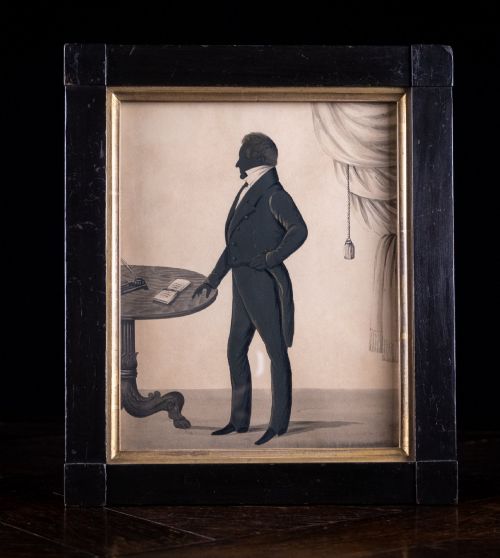
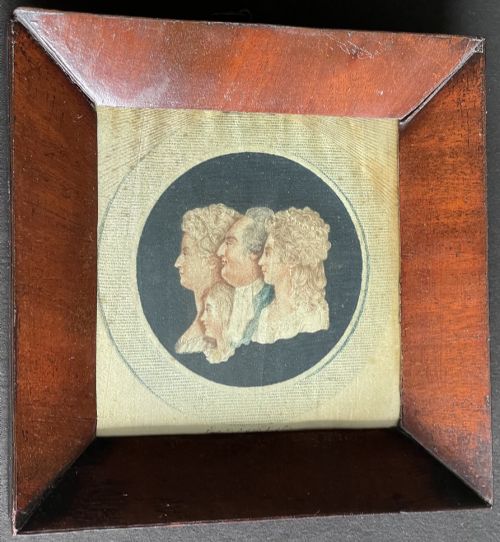
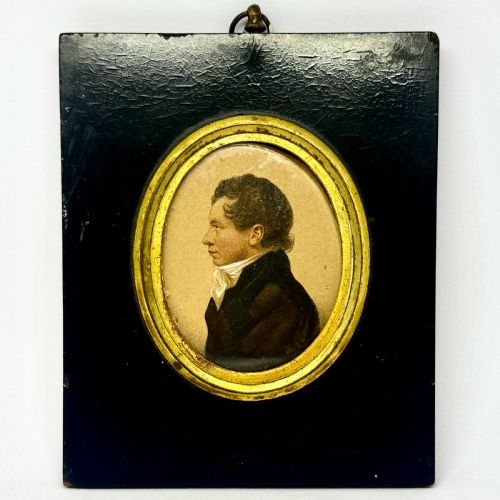
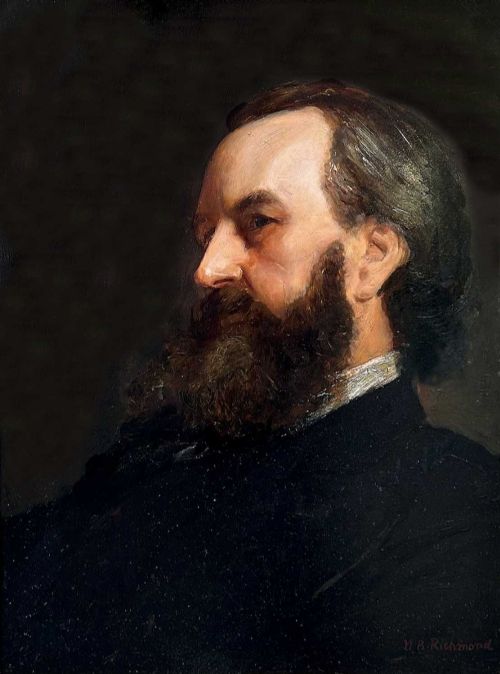
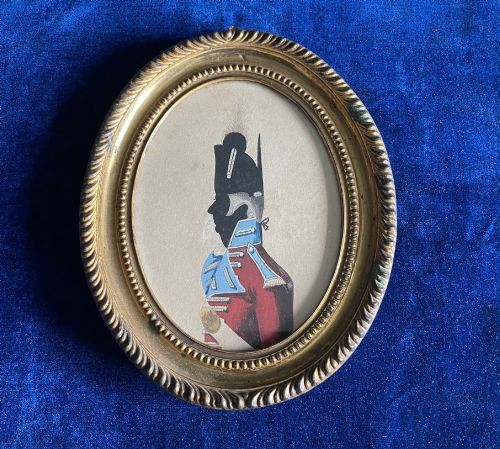
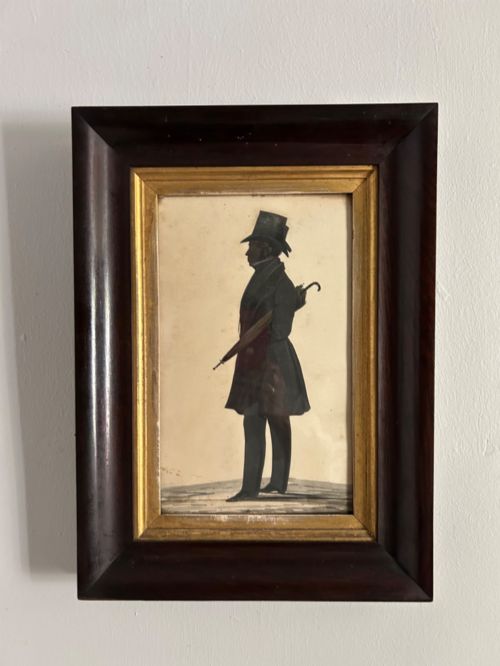
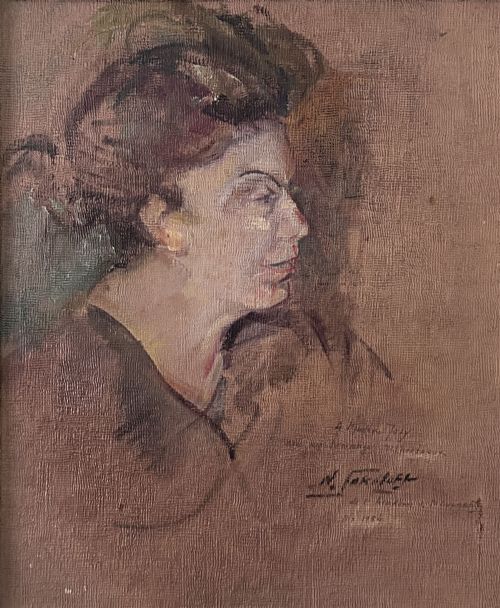
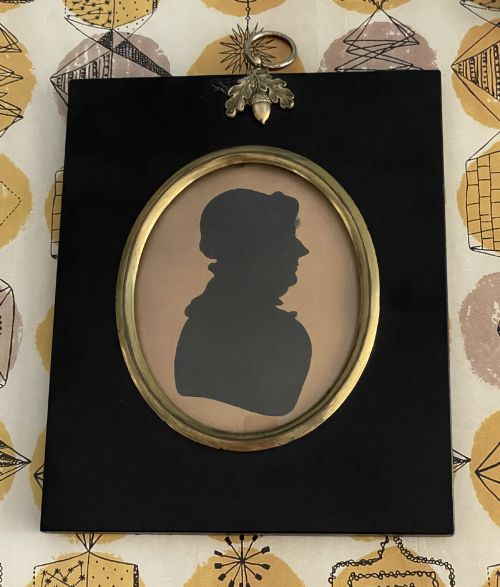
Profile portrait art centres on depictions of the human head and bust shown in side view, a format chosen for its striking outline. When exploring profile portrait art, buyers commonly encounter 18th-century and 19th-century silhouettes alongside miniature paintings and framed works.
The selection ranges from delicate cut-paper silhouettes and reverse glass paintings to oil paintings and bronze plaques. These pieces capture sitters from the Georgian, Regency, and Victorian eras.
Makers often utilised ink, watercolour, and gold leaf to render these likenesses on paper, glass, or panel. The forms vary from intimate brooches and miniature pairs to wall art and framed portraits.
How They Were Made
Makers rendered silhouettes by cutting black paper by hand or by painting directly onto glass using reverse techniques. These methods required steady hands to capture a convincing likeness in profile.
Artists also employed watercolour, ink, gouache, and oil paint on paper, panel, and canvas. Gold leafing was frequently applied to enhance borders, headdresses, and costume details.
Enamel and precious metals such as gold and silver served as mounts for miniature portraits and brooches. Bronze and marble provided durable mediums for sculptural profile plaques.
Profile Portrait Art Retail Price Guide 2026
Typical asking prices for profile portrait art among the pieces listed under this phrase on Sellingantiques today, from the lower quarter to the upper quarter. They describe what is for sale here now, not the wider market.
Listings feature profile portrait art spanning the eighteenth century through the 1950s, using materials such as glass, paper, wood, ink, brass, watercolour, gold leaf, and oil on canvas.
What Varies in Quality
Execution and precision separate simpler works from finer examples, particularly in the crispness of paper cutting and the delicacy of brushwork. A master silhouette artist captured the specific set of a chin or the curl of hair with minimal cuts.
The choice of materials influences the piece, with hand-ground watercolours, fine gold leaf, and reverse glass work demanding high technical skill. Contemporary framing and original mounts also alter the character of the object.
Provenance and attribution elevate certain works, as documented pieces tied to known artists command greater attention from collectors. The clarity of sitter identification adds historical weight to the portrait.
James Sharples·Augustin Edouart·James McArdell·Richard Purcell·Florence Small
The Profile Portrait Art Glossary
- Silhouette
- A portrait showing the outline of a face or figure in profile, typically filled in with solid black. This form gained immense popularity during the 18th and 19th centuries.
- Reverse painting on glass
- A technique where the artist paints on the back of a glass panel so the image is viewed through the front. This method protects the pigment and produces a glossy finish.
- Portrait miniature
- A small, highly detailed painting executed on ivory, vellum, card, or copper. These portable works were often worn as jewellery or kept in protective cases.
- Mezzotint
- A printmaking process of the intaglio family where the plate is roughened to achieve rich tonal gradations. It allows for subtle transitions between light and shade in portraits.
Profile Portrait Art: Frequently Asked Questions
How were profile silhouettes originally made?
Artists cut black paper freehand using scissors or traced shadows cast by a lamp onto white paper. They then reduced and mounted these cutouts onto cards or background sheets.
Some makers painted directly onto convex glass or plaster, adding highlights with gold leaf to give depth to the monochrome profile.
Where should I hang profile art?
These pieces suit narrow wall spaces, hallway galleries, or groupings alongside antique mirrors and other framed works. Their modest scale allows them to fit into intimate corners of a room.
Keep them away from direct sunlight to protect delicate watercolours, paper cutouts, and painted glass from fading over time.
How do I care for reverse glass paintings?
Display these works in stable indoor environments away from excessive moisture and extreme temperature swings. Dampness can cause the pigments to lift from the glass surface.
Dust the frames gently with a dry cloth and avoid using liquid cleaners near the glass edges where moisture might seep behind.
Can I wear antique portrait brooches?
Many miniature portraits and enamel pieces were designed as wearable jewellery and remain sturdy enough for occasional use. Check the pin mechanism and safety clasp before wearing them.
Store them in padded boxes when not worn to prevent scratches on the glass, enamel, or gold surfaces.