
Primitive Wooden
A primitive wooden antique brings honest utility and time-worn character into a modern interior.
Primitive Wooden
A primitive wooden antique is an unpretentious item made for domestic, agricultural or craft labour rather than formal display. When searching for a primitive wooden antique, buyers encounter utilitarian forms shaped by local makers using whatever timber lay to hand.
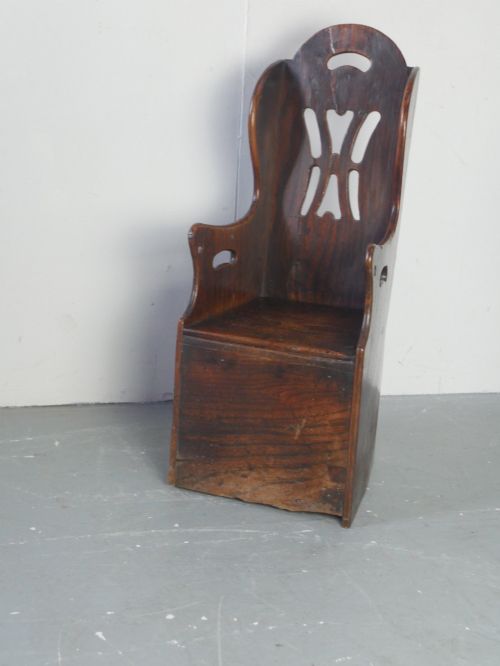
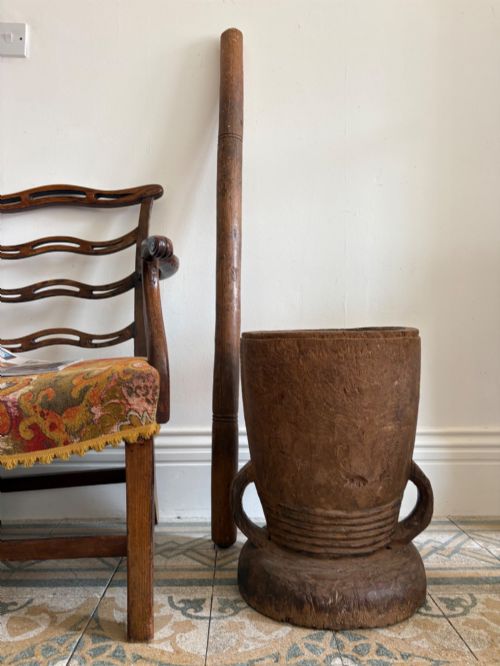
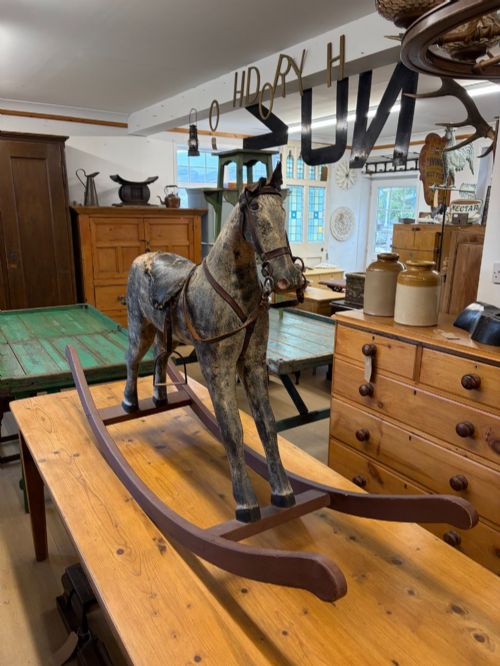
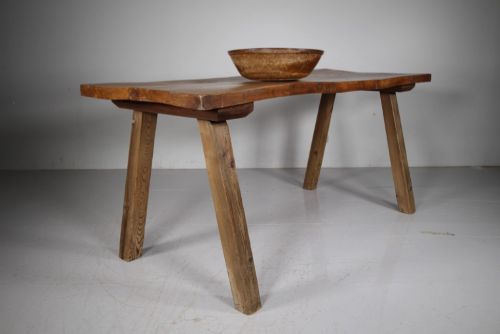
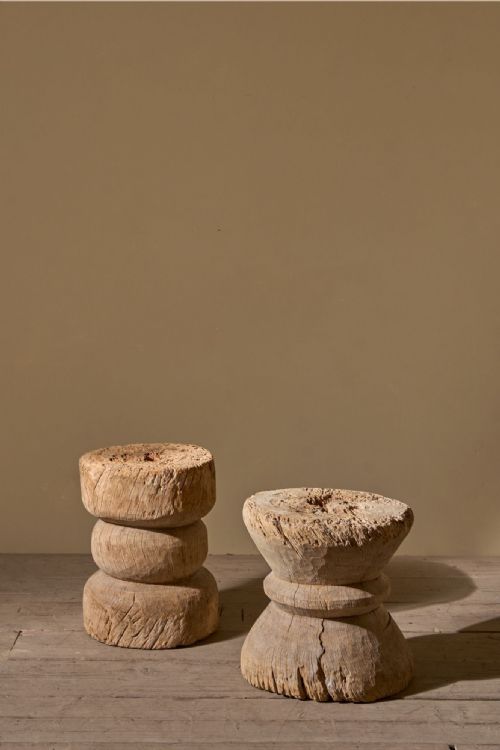
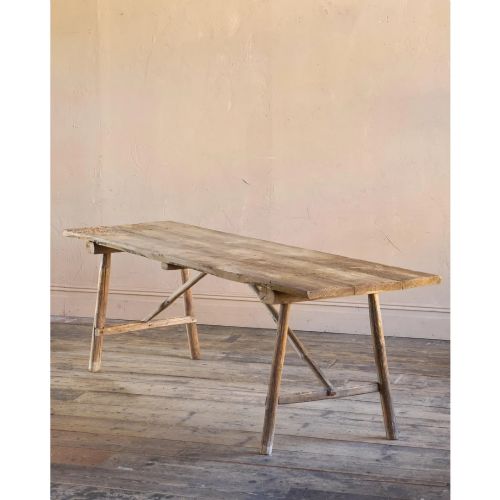
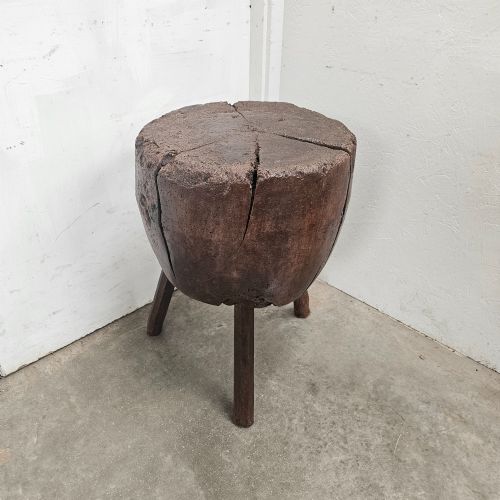
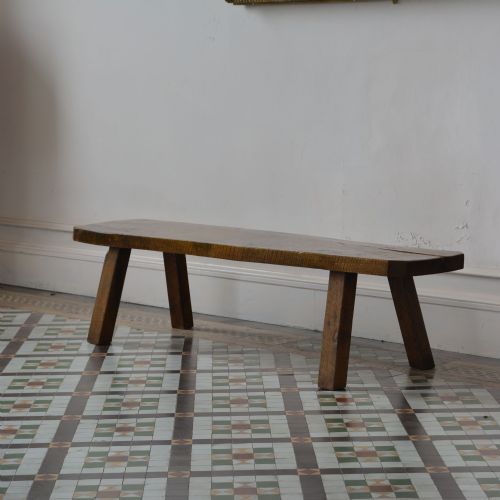
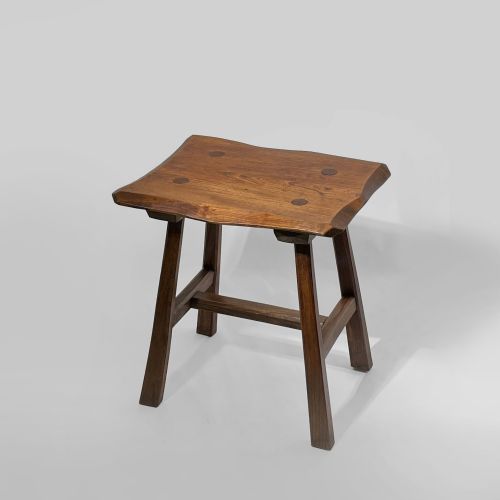
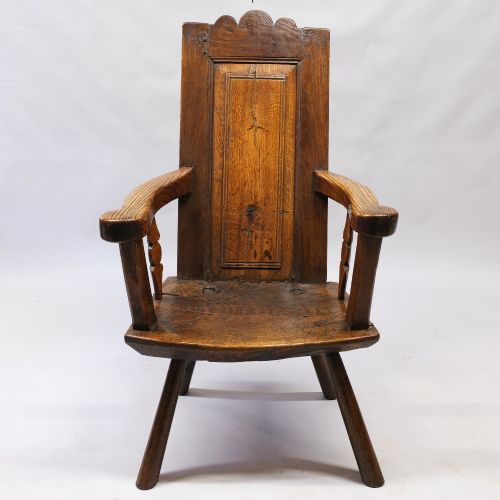
The pieces on this page span the eighteenth and nineteenth centuries, including robust seating, heavy work surfaces and small household implements. Stools, armchairs, dining tables and chopping blocks dominate the selection, often bearing the marks of intensive daily use.
Geographic origins vary widely across the inventory, ranging from English and French workshops to Scandinavian and Eastern European examples. Each region produced distinct vernacular variations while maintaining a shared focus on straightforward construction.
Materials and construction
Local hardwoods such as oak, elm, ash, sycamore and beech provide the structural integrity for these items. Makers selected timber for specific properties, utilising dense elm for seats, flexible ash for spindles and durable fruitwood or walnut for turned elements.
Construction methods rely on traditional joinery adapted for speed and strength, including pegged joints, wedged tenons and splayed legs. Iron blacksmith repairs and original paint finishes often survive, recording the ongoing maintenance required to keep utilitarian objects in service.
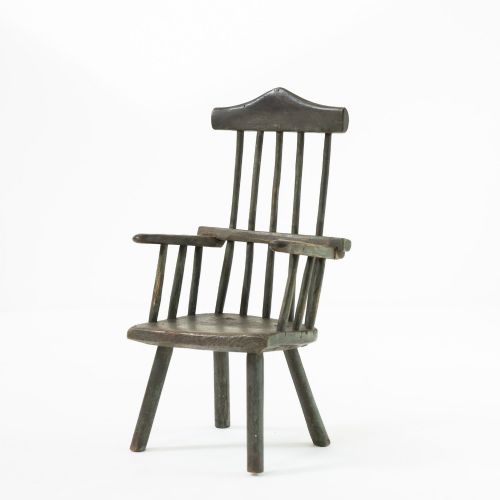
Listings feature eighteenth and nineteenth-century forms including ash and elm windsor chairs, oak stools and French beech game blocks.
Assessing quality and character
Quality in these items rests upon the balance between structural survival and untouched surface patination. Pieces that retain their original gnarled legs, historic painted surfaces or honest blacksmith repairs offer a more direct connection to their working past.
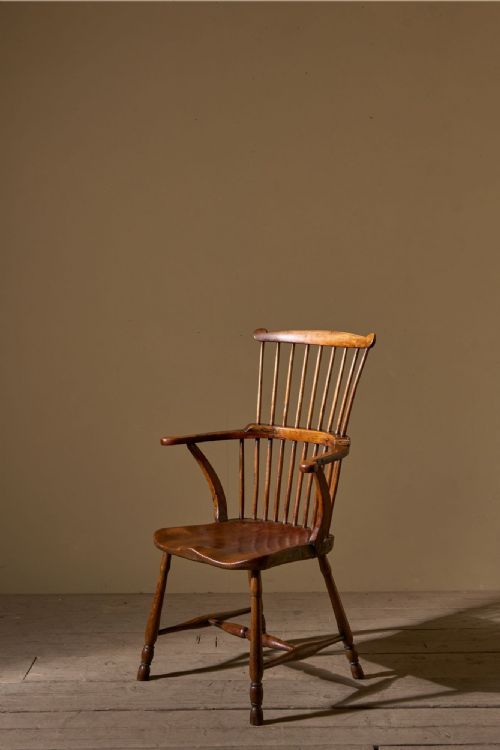
Proportion and sculptural presence distinguish standard utilitarian objects from exceptional vernacular pieces. A well-balanced comb-back windsor chair or a heavy elm chopping block derives its appeal from the confident, unstudied choices of the original maker.
The Primitive Wooden Glossary
- Vernacular
- An object designed and built by local artisans to fulfill a specific regional purpose, prioritising function over academic stylistic conventions. These pieces reflect the traditional building methods of a particular area.
- Comb-back
- A Windsor chair design where the vertical spindles of the backrest extend upward through a horizontal top rail, resembling the teeth of a comb. This construction offers both flexibility and robust support.
- Splayed legs
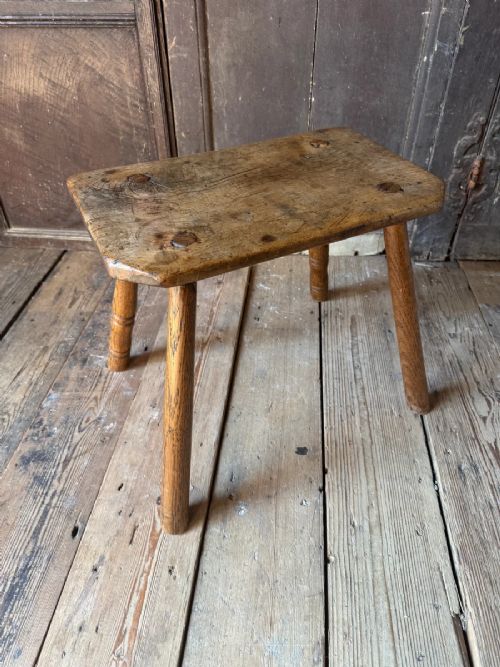
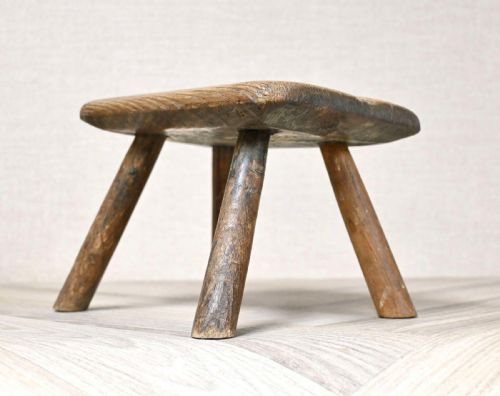
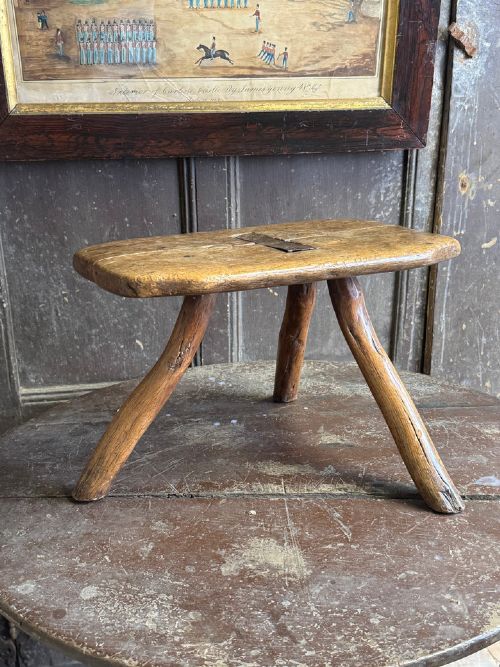
- Support legs angled outward from the centre of the base to provide greater stability on uneven stone or earth floors. This technique is frequently seen on milking stools and hearth benches.
- Patina
- The surface sheen and colour acquired by wood through decades of handling, cleaning, polishing and exposure to light. A deep patina indicates considerable age and continuous use.
- Stick-back
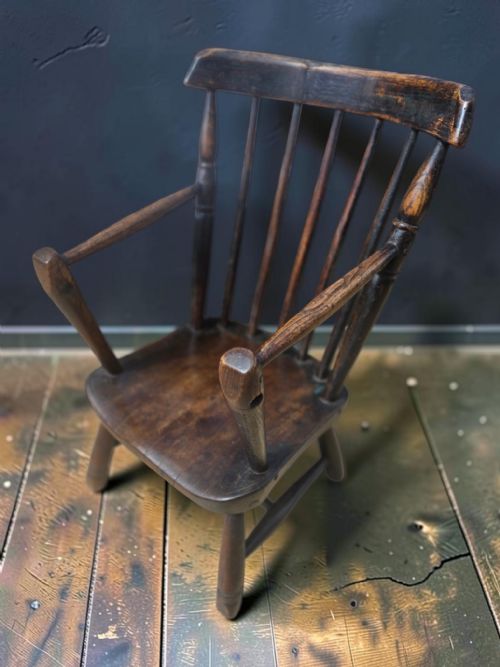
- A chair construction method where turned or cleft wooden sticks are tenoned directly into a solid wooden seat. It represents an economical and durable form of domestic seating.
Primitive Wooden: Frequently Asked Questions
What is a primitive wooden antique?
A primitive wooden antique is a functional household or agricultural object made by local craftspeople without adherence to formal academic design. These items include stools, benches, tables and chairs produced primarily during the eighteenth and nineteenth centuries.
Their appeal lies in honest construction, visible tool marks and deep patination earned through decades of practical service in homes, dairies and workshops.
How were primitive stools and benches used?
Milking stools, hearth stools and pig benches served specific daily tasks in rural and agricultural settings. Their low centres of gravity and splayed legs made them stable on uneven floors.
Today, buyers repurpose these sturdy forms as small side tables, plant stands or decorative display surfaces in contemporary interiors.
How do I care for antique primitive wood?
Maintain primitive wooden items by keeping them away from direct heat sources and sudden humidity changes, which can cause timber to split. Dust gently with a dry or slightly damp cloth.
Avoid modern chemical polishes that strip historic surface patination; instead, occasionally apply a conservative application of natural beeswax to nourish dry timber.
How can I tell the age of these pieces?
Dating relies on observing tool marks, construction techniques, timber shrinkage and wear patterns. Eighteenth-century examples often display hand-riven wood and early blacksmith-made iron repairs.
Comparative analysis of regional forms, such as Thames Valley comb-backs or continental painted dairy furniture, helps narrow down the period of manufacture.