

Primitive Folk Art
Primitive folk art encompasses honest, unpretentious domestic objects and paintings created outside formal academic traditions, prized for their directness and raw material presence.
Primitive Folk Art
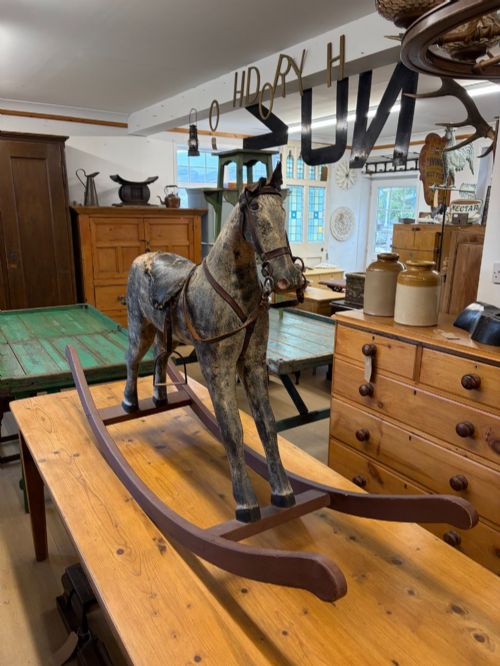
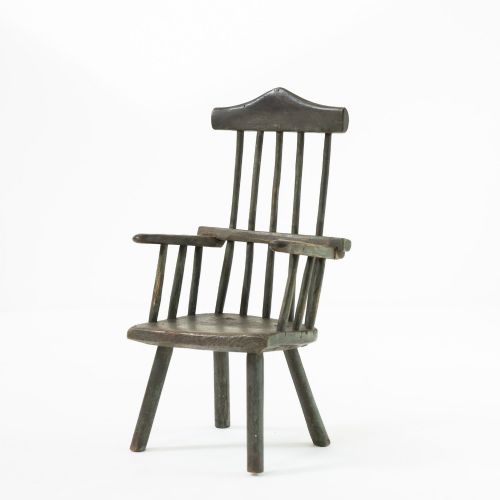
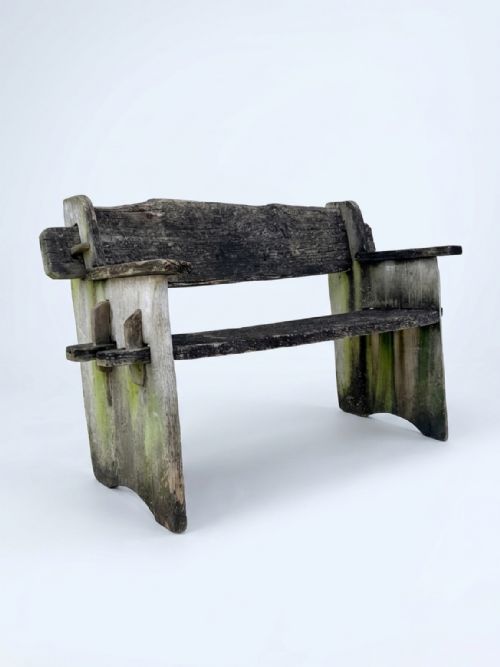
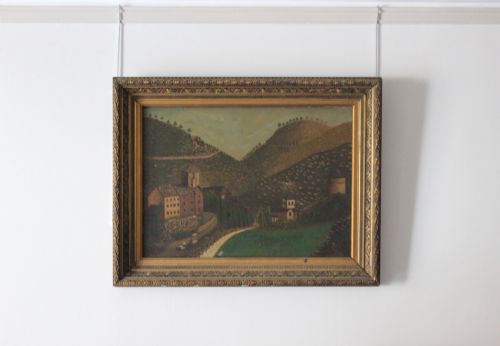
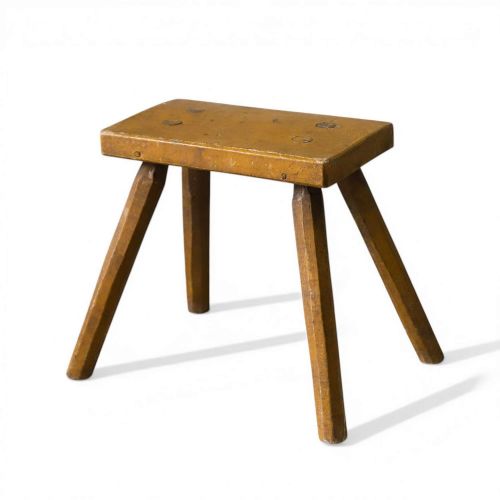
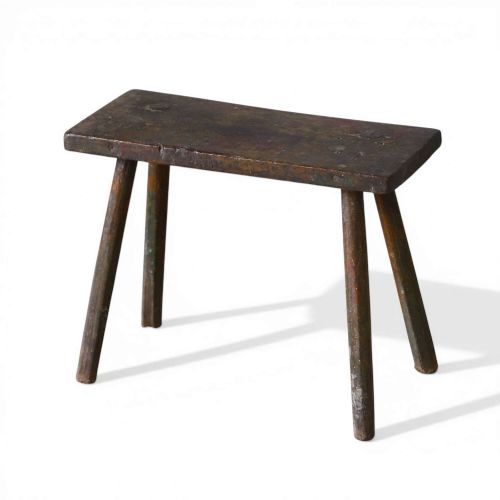
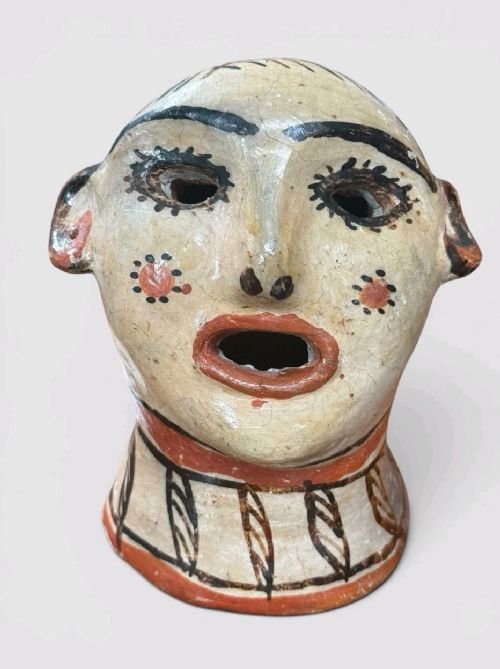
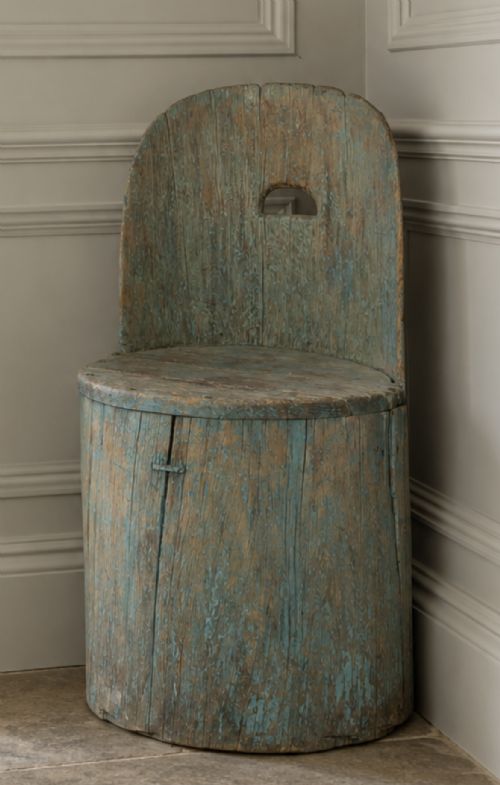
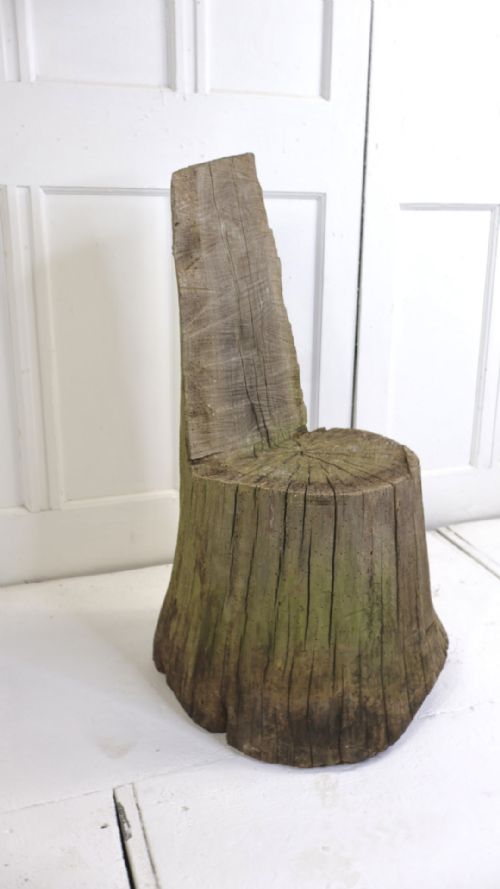
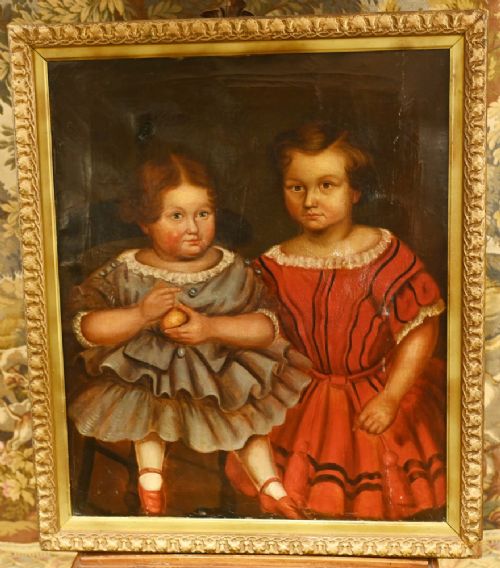
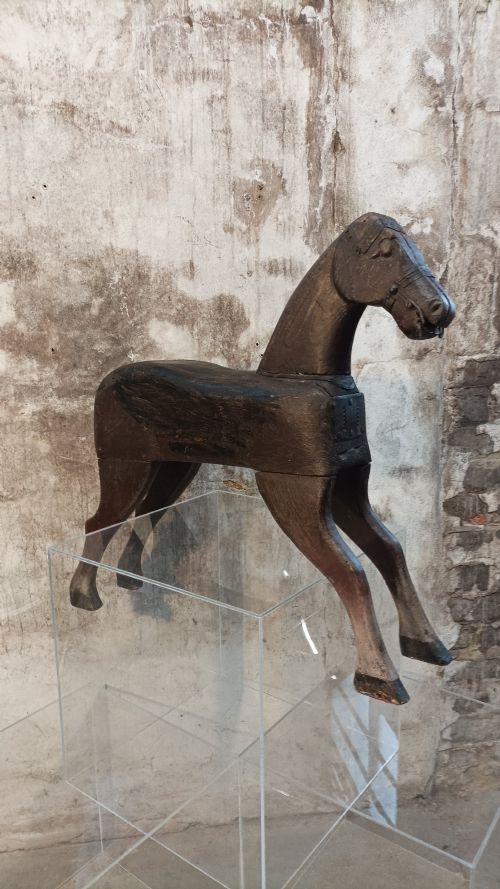
Primitive folk art brings together utilitarian domestic objects and direct artistic expressions shaped by regional makers rather than academy-trained artists. When exploring this selection, buyers encounter everything from humble milking stools and dug-out chairs to child portraits and painted wooden sculptures.
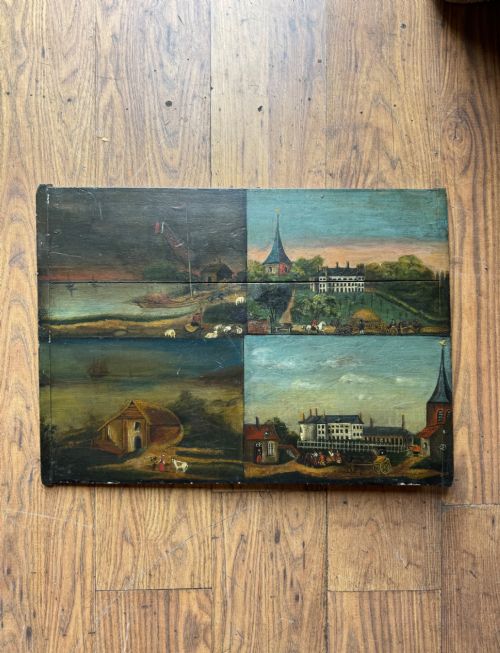
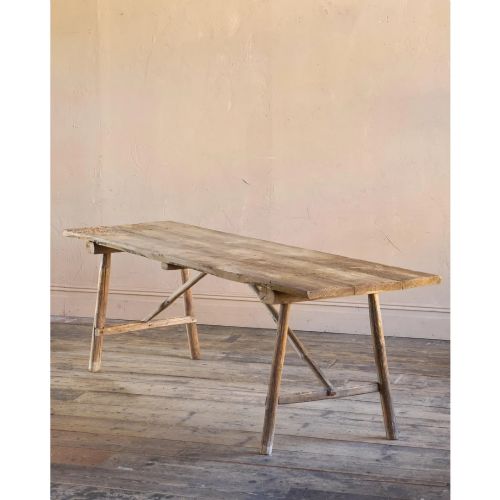
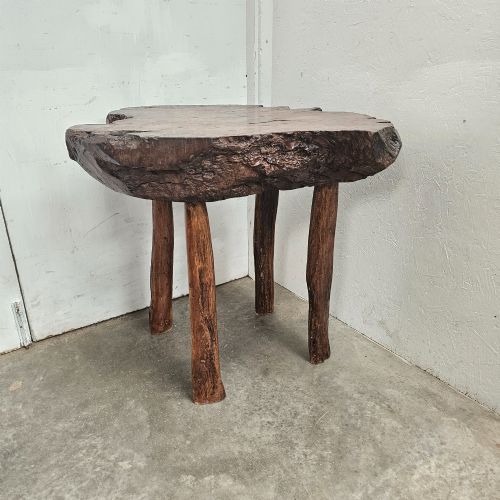
The objects span multiple centuries, with a strong showing of nineteenth-century pieces alongside eighteenth-century bowls, boxes, and seating. Forms range from functional dining tables and armchairs to decorative duck decoys, rush light holders, and oil paintings on canvas or board.
Geographic origins vary widely across the items, drawing from British, Scandinavian, Eastern European, and American traditions. This diversity means buyers can find specific regional expressions, such as Swedish painted bowls or Irish country chairs, all sharing an unrefined aesthetic.
Materials and construction methods
Timber forms the primary backbone of these pieces, utilising accessible local woods like pine, oak, elm, and hardwood. Makers shaped tree trunks and boards using straightforward joinery, often leaving tool marks and natural grains visible.
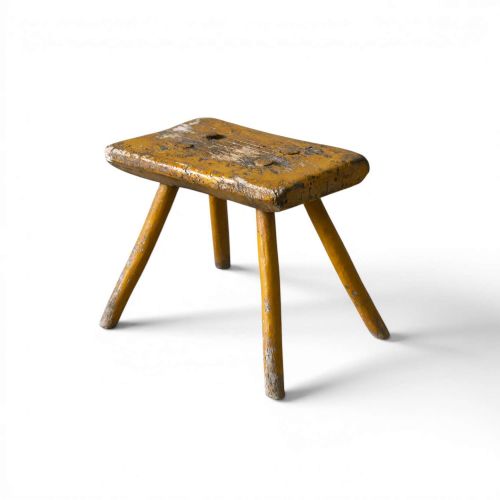
Surface treatments frequently involve original layers of paint, ranging from ochre and yellow to green on milking stools and boxes. Paintings utilise oil on canvas, board, or paper, capturing naive subjects with straightforward pigment application.
Evaluating quality and authenticity
Quality rests in the integrity of the surface and the honesty of the wear. Pieces retaining their original paint layers or untouched waxed finishes command stronger interest than those stripped down or heavily restored.
Proportion and sculptural presence separate ordinary utility items from compelling examples. A stool, box, or carved animal succeeds when its unstudied proportions and direct handling display a distinct personality.
The Primitive Folk Art Glossary
- Naive
- Art produced by a self-taught maker working outside formal academic rules. It often shows a flattened perspective and direct interpretation of the subject.
- Milking stool
- A simple, low three-legged seat designed for agricultural labour. These utilitarian items are collected for their compact forms and patinated timber surfaces.
- Rush light holder
- An iron device used to grasp a rush dipped in animal fat for domestic illumination. These lighting implements reflect practical nineteenth-century rural engineering.
- Decoy duck
- A carved or assembled wooden bird utilised by hunters to attract waterfowl. They are valued today for their sculptural silhouettes and weathered painted finishes.
- Dug out
- An object fashioned by hollowing out a single solid tree trunk. This ancient technique appears in heavy chairs and vessels.
Primitive Folk Art: Frequently Asked Questions
What defines primitive folk art?
Primitive folk art describes items made by ordinary craftspeople, rural workers, or untrained painters for everyday use rather than high art markets. They rely on local materials and direct techniques.
These pieces prioritise function and personal expression over academic precision, resulting in honest forms that reflect regional domestic life across centuries.
How do I care for wooden folk art?
Keep wooden objects away from direct heat sources and dramatic humidity shifts to prevent timber from splitting or warping. Dust gently with a dry cloth rather than using harsh liquid polishes.
Preserving original painted surfaces requires minimal intervention, avoiding modern chemical cleaners that might strip historical layers.
Are painted surfaces original?
Original paint shows natural wear, stable craquelure, and integration with the underlying timber developed over decades of use. Traces of historical pigments often survive in protected crevices.
Inspect the edges of wear and underlying layers to determine if the pigment dates to the period of manufacture or represents a later refurbishment.
Where were these pieces made?
The objects originate from rural workshops, farmhouses, and coastal communities across Britain, Scandinavia, Eastern Europe, and America. Local timber availability dictated the construction.
Regional styles often reveal themselves through specific colour palettes, turning methods, and structural choices characteristic of particular European or American districts.