



Primitive Folk Art Painting
Primitive folk art painting brings direct, unpretentious charm into a room through honest brushwork and unvarnished character.
Primitive Folk Art Painting
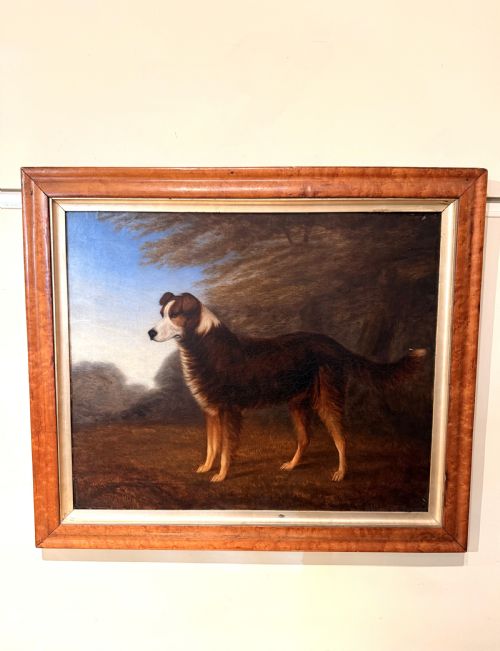
A primitive folk art painting represents a direct and unvarnished approach to visual storytelling, often created by self-taught hands outside the formal academies. When you search for primitive folk art painting, you encounter canvases, boards, and watercolours that prioritize raw expression over strict anatomical proportion. These works capture domestic life, portraits, and rural scenes through straightforward composition.
The selections span from the eighteenth century into the twentieth, with nineteenth-century examples forming the core of the current offerings. You will find works originating from British, American, and wider European traditions. Alongside oils on canvas, the selection includes watercolours and mixed techniques housed in period frames.
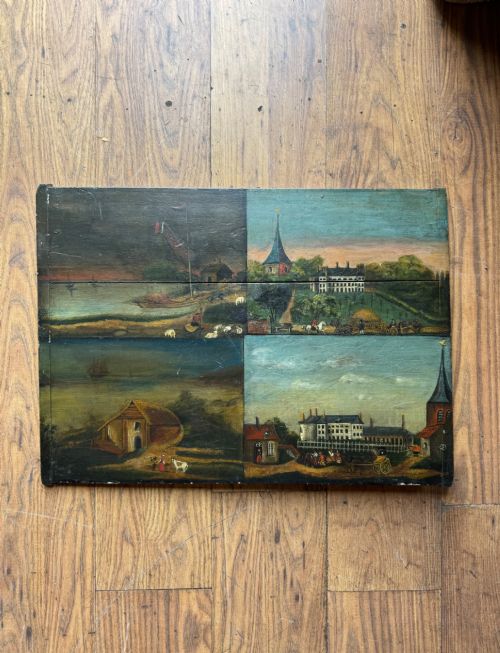
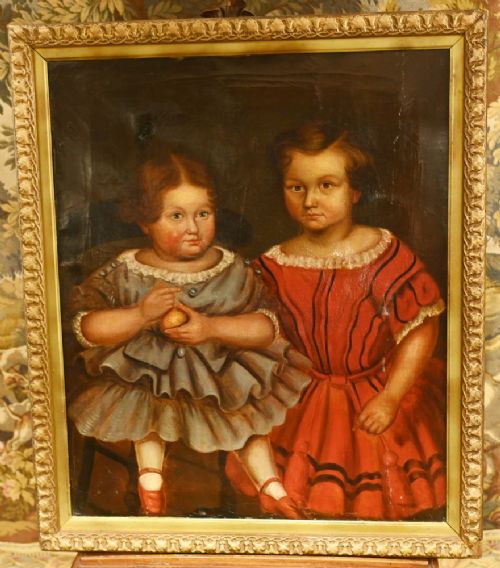
Portraits of children and adults sit alongside rural street scenes and narrative compositions. Each piece relies on flat planes of colour and earnest detail rather than sophisticated perspective. This directness gives the genre its enduring appeal for collectors of country and vernacular interiors.
Materials and construction
Painters utilised readily available supports, working on stretched canvas, thick pine boards, and paper surfaces. Oil and water-based paints were applied directly, sometimes over earlier layers or preparatory grounds, using simple hog-bristle brushes.
Frames were often constructed from native timbers such as pine or rosewood, sometimes retaining their original painted surfaces or simple polished finishes. The physical build of the support reflects regional availability and the practical constraints of the maker.
Primitive Folk Art Painting Retail Price Guide 2026
Typical asking prices for primitive folk art painting among the pieces listed under this phrase on Sellingantiques today, from the lower quarter to the upper quarter. They describe what is for sale here now, not the wider market.
The listings span from the 18th century through the Georgian and Victorian eras up to the early 20th century, utilising paint, canvas, wood, and paper.
Assessing quality and character
Quality rests in the conviction of the brushwork and the strength of the composition rather than academic accuracy. A successful piece demonstrates confident placement of figures and pigment, creating an engaging presence that holds the eye across a room.
The survival of original surface finishes, uncompromised by later restoration or over-cleaning, elevates a work. The interaction between the subject and the framing material also contributes to the overall integrity of the piece.
The Primitive Folk Art Painting Glossary
- Naive art
- Visual expression created by a person without formal training in perspective and proportion. It often relies on intuitive colour choices and flat perspective.
- Oil on canvas
- Pigment suspended in a drying oil applied to a woven fabric stretched across a wooden frame. This medium allowed artists to build rich, textured surfaces.
- Watercolour
- A paint consisting of colourants suspended in a water-soluble binder, typically applied to paper. It provides translucent washes and immediate graphic quality.
- Provenance
- The documented history of ownership surrounding an artwork. It helps establish authenticity and origin over time.
- Scumble
- A thin, semi-opaque layer of light paint dragged over a darker base. This technique creates broken colour effects and textural depth.
Primitive Folk Art Painting: Frequently Asked Questions
What defines a primitive painting?
A primitive painting is created by an artist working outside academic traditions, resulting in an unstudied approach to perspective and detail. These works focus on direct narrative and honest representation rather than classical rules.
They offer an unpretentious view of historical subjects, street scenes, and portraits, valued for their sincerity and visual directness.
How do I care for old watercolours?
Watercolours on paper require protection from direct sunlight to prevent fading of the pigments. Keeping them in stable environmental conditions prevents moisture damage to the paper and frame.
Glazing with appropriate glass helps shield the delicate surface from dust and atmospheric pollutants.
Where should I hang these works?
These paintings suit traditional country interiors, kitchen spaces, and studies where their unpretentious character can anchor a room. They pair well with plain plaster walls and natural wood finishes.
Positioning them away from direct heat sources ensures the support materials remain stable over time.
How can I tell the age of a painting?
Dating relies on examining the physical support, such as hand-woven canvas or early timber boards, alongside the framing materials. Pigment analysis and handwritten notes or dates on the reverse also provide clues.
Stylistic markers within the clothing and hairstyles of portrait subjects further help narrow down the period of creation.