




Primitive Bench
A primitive bench offers honest utility and tactile age, uniting vernacular forms from centuries past into low seating and tables.
Primitive Bench
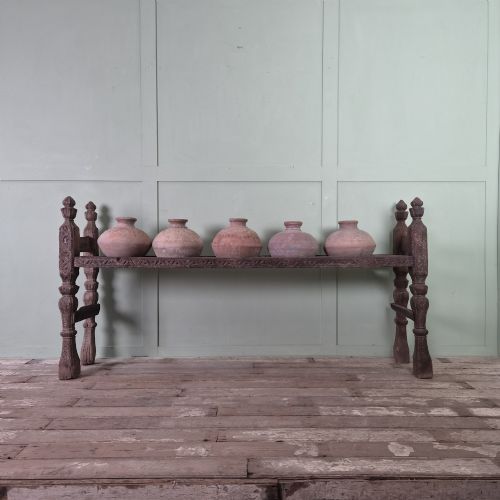
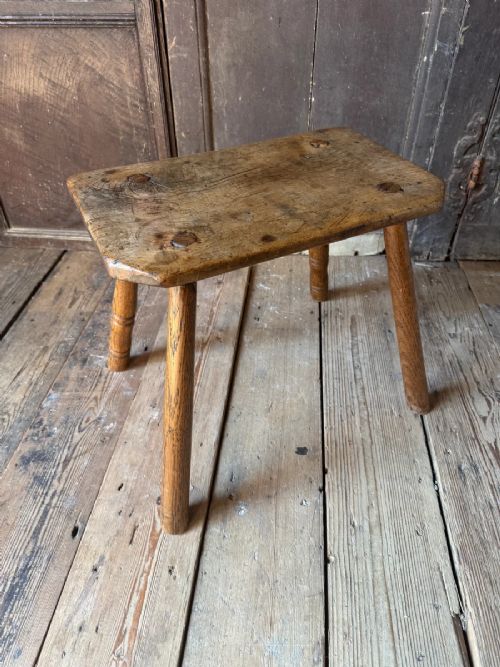
When searching for a primitive bench, collectors encounter functional seating and low tables shaped by rural makers using local timber. These pieces span centuries, including Georgian, Victorian, and Edwardian periods alongside specific regional varieties from France, Hungary, and Scandinavia.
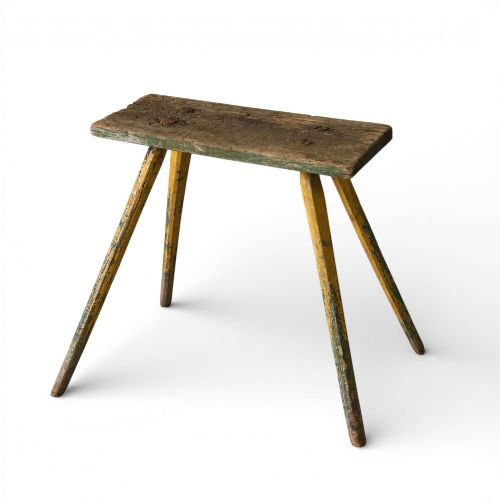
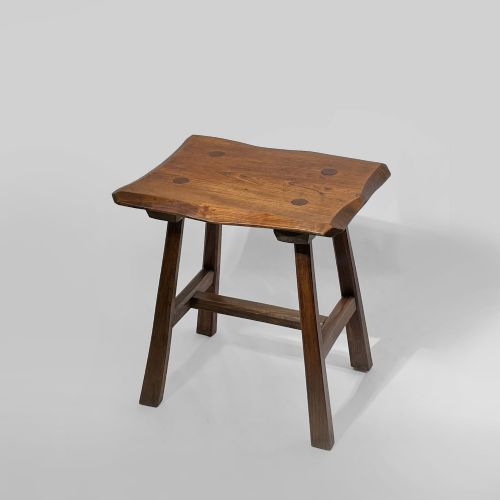
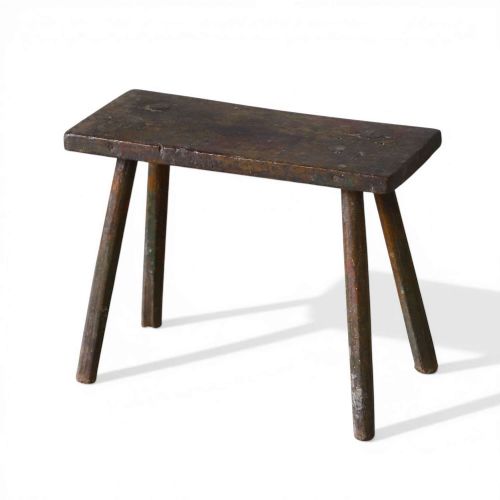
Makers built these items for daily use rather than display, relying on straightforward joinery and natural wood grains. Buyers find examples finished in bare timber, waxed hardwood, or retaining traces of original ochre and green paint.
What varies in quality
Quality rests in the integrity of the original form and the honesty of the surface wear accumulated through use. Pieces retaining untouched original paint finishes or specific historical marks, such as apotropaic carvings, stand apart from heavily restored examples.
Proportion and structural balance dictate the appeal of each item, as vernacular pieces range from awkward utilitarian remnants to remarkably well-proportioned domestic seating. The choice of secondary timbers and the depth of the patination acquired over centuries further distinguish the grade of a piece.
Primitive Bench Retail Price Guide 2026
Typical asking prices for primitive bench among the pieces listed under this phrase on Sellingantiques today, from the lower quarter to the upper quarter. They describe what is for sale here now, not the wider market.
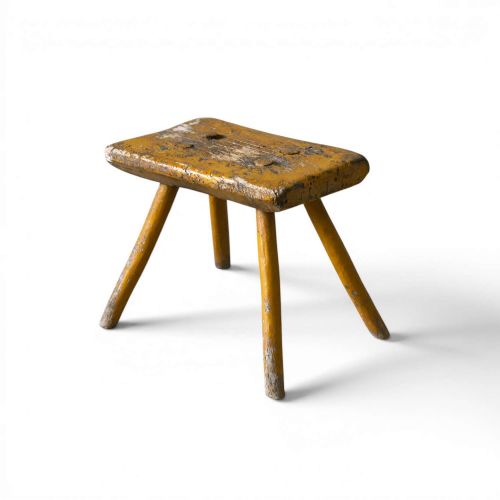
Several pieces preserve the quiet history of rural life, carrying the stubborn green and ochre paint applied by hands a century ago.
The Primitive Bench Glossary
- Vernacular
- Built by local craftsmen for everyday regional use rather than to a high academic design. These items prioritise direct function over decorative fashion.
- Pig bench
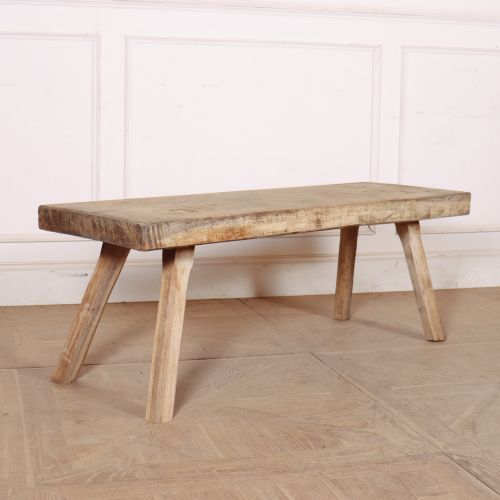
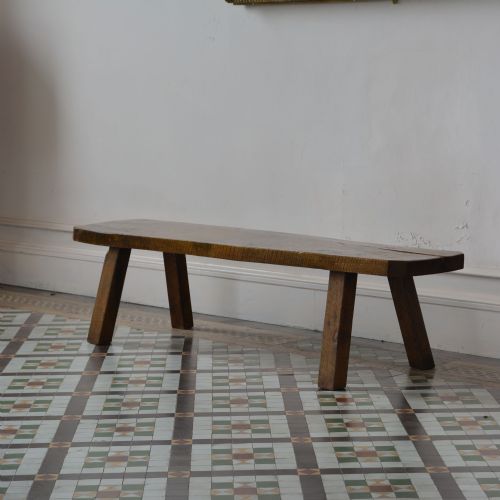
- A low wooden bench traditionally used in rural butchery and agricultural work. Today these long, narrow forms frequently serve as low coffee tables.
- Settle
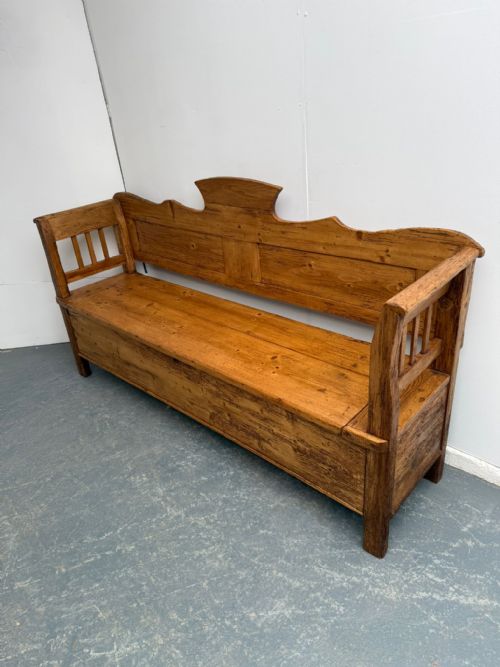
- A high-backed wooden bench with solid sides designed to block draughts in older homes. Some variants incorporate a box compartment beneath the seat.
- Apotropaic mark
- A carved symbol inscribed into woodwork to ward off evil spirits and protect the household. These markings appear on select early domestic seating.
- Scumble
- A decorative paint technique used to imitate the grain of finer woods or create textured patterns on pine furniture. This finish appears on regional Georgian pieces.
- Milking stool
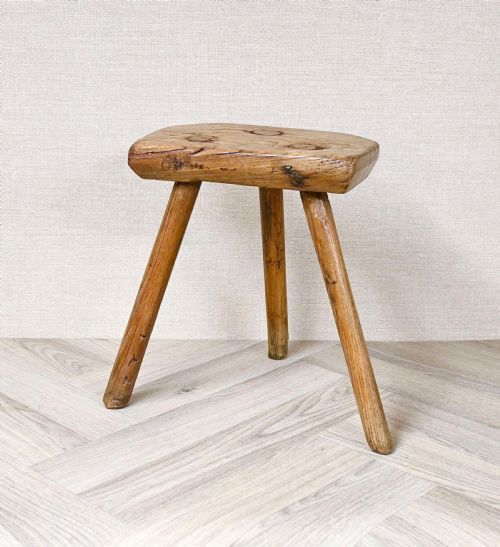
- A small, three-legged seat designed to be stable on uneven farm floors. These compact forms are among the most common rural items found today.
Primitive Bench: Frequently Asked Questions
What is a primitive bench?
A primitive bench is a utilitarian wooden seat or low table made by rural craftspeople using local materials. These items were designed for specific tasks in homes, farms, and workshops rather than for formal drawing rooms.
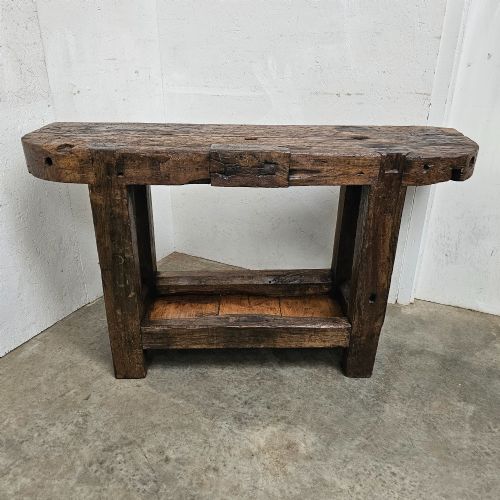
They include diverse forms such as milking stools, cobblers' benches, and long oak seating. Their appeal lies in their unpretentious construction and the rich patination of age.
How were these benches used originally?
Original uses varied widely depending on the specific form and trade of the maker. Some served as seating around farmhouse hearths, whilst others functioned as work surfaces for cobblers, cutlers, or agricultural labourers.
Over time, many low utility benches and work tables have transitioned into living spaces as coffee tables or accent seating. Their sturdy builds allowed them to endure centuries of heavy domestic or workplace employment.
How do I live with a primitive bench?
Living with these pieces involves appreciating their rustic character and history within a modern interior. Long benches work well in hallways or as low coffee tables in sitting rooms, while smaller stools function as side tables.
Protecting the aged wood and original painted surfaces from excess moisture ensures the piece remains stable. Regular waxing helps maintain timber that has dried over hundreds of years.
How do I date a primitive bench?
Dating relies on observing construction methods, tool marks, and the type of timber used by the maker. Earlier pieces from the 18th century often feature hand-rived boards and pegged joinery, whereas later Victorian and Edwardian examples may show machine-sawn elements.
Surface wear, patina, and regional stylistic traits also provide clues to the era of manufacture. Comparing the form to documented vernacular types helps narrow down the period.