





Powdered Wig Oil Painting
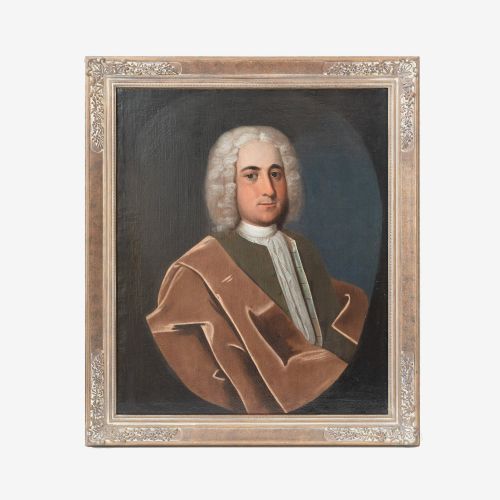
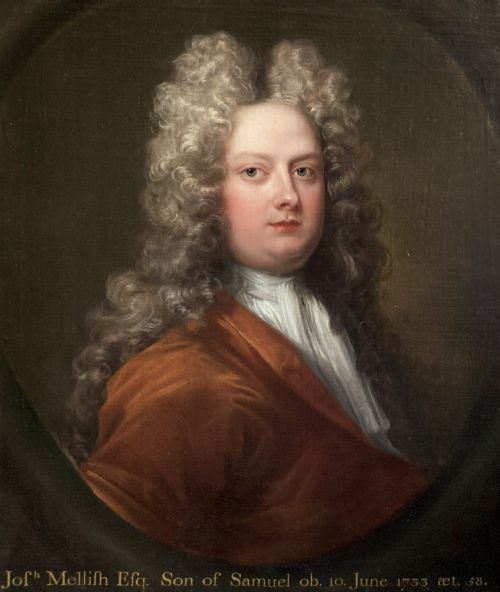
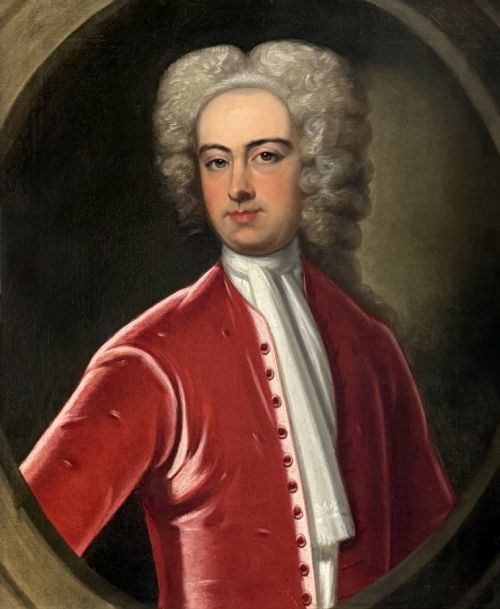
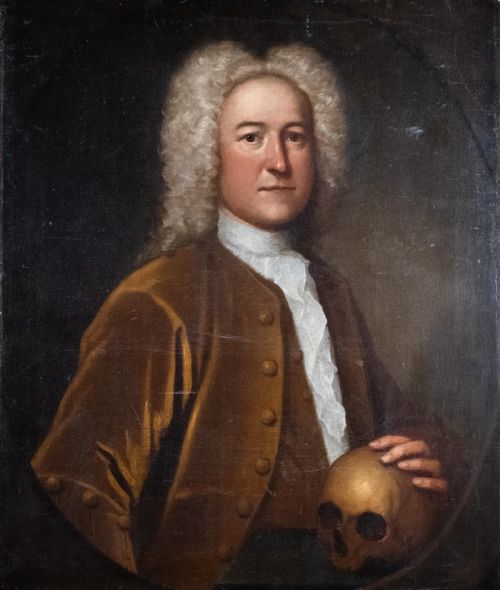
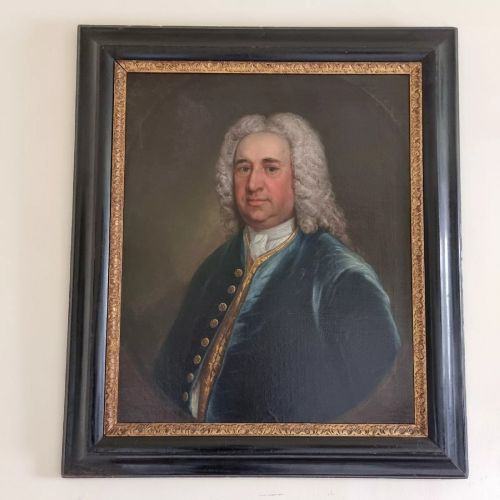
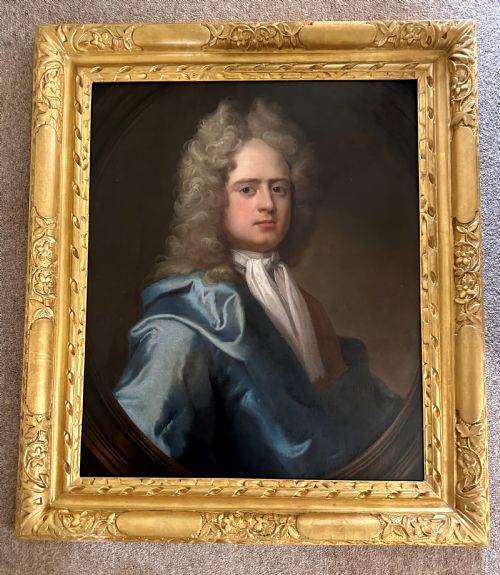
A powdered wig oil painting captures the stately presence of the Georgian era through oil on canvas portraits of gentlemen.
Powdered Wig Oil Painting
When you search for a powdered wig oil painting, you encounter historic portrait paintings depicting gentlemen from the seventeenth and eighteenth centuries. These works record the likenesses of merchants, clergymen, and landed figures during the Georgian period.
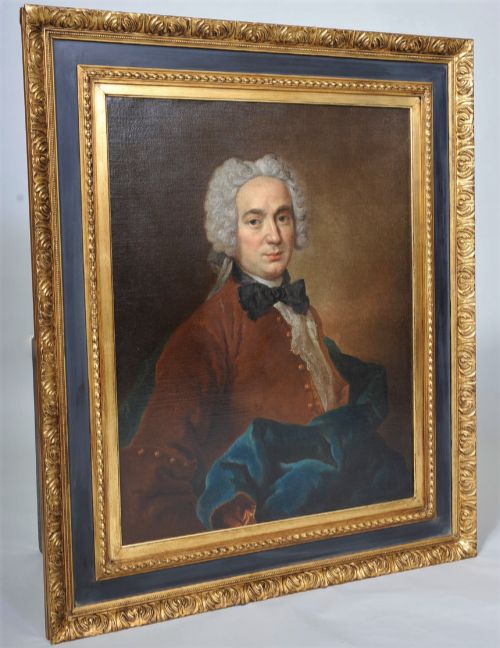
The pieces on this page are predominantly oil on canvas works housed in giltwood frames. You will frequently find portraits attributed to named artists or associated circles from the seventeen hundreds.
Most examples present half-length or bust compositions of male subjects in formal attire. The style ranges from early Georgian British works to eighteenth century French portraiture.
How these paintings were made
Makers applied oil paint to stretched canvas surfaces using traditional brushwork techniques. Painters of this era built up skin tones, fabrics, and powdered wigs through layered glazes and opaque pigments.
Completed canvases were mounted into wooden frames, often finished with gilt or gilded wood surrounds. These frames provide the structural border and decorative presentation customary for period fine art paintings.
Several gentlemen in these portraits gaze outwards while wearing remarkably voluminous powdered wigs that demand total admiration.
What varies in quality
Condition and provenance also distinguish the range, particularly the preservation of the original canvas and oil paint layers. Works attributed directly to recorded artists or accompanied by detailed inscriptions on the reverse carry distinct historical interest.
Charles Jervas·Joseph Highmore·Enoch Seeman the Younger·Michael Dahl·Jonathon Richardson·Thomas Hudson·George Dowdney·Andrea Soldi
The Powdered Wig Oil Painting Glossary
- Oil on canvas
- A painting medium where pigments bound in oil are applied to a woven fabric support. This combination allowed artists to blend tones smoothly and achieve rich surface textures.
- Giltwood
- Wood carved and coated with gold leaf or metallic powder. It provides a reflective, ornate border that complements the dark tones of historic oil paintings.
- Circle of
- A term used when a work shows the distinct influence and hand of a major artist's studio or immediate associates. It indicates a painting produced in the same milieu during the master's lifetime.
- Attributed to
- An expert designation suggesting the work is likely by a specific named artist based on stylistic evidence. It reflects a considered opinion without absolute documented proof.
- Georgian
- The period spanning the reigns of the British monarchs named George from 1714 to 1830. In these listings, it denotes the aesthetic and portrait conventions of the early eighteenth century.
Powdered Wig Oil Painting: Frequently Asked Questions
What is a powdered wig oil painting?
These works are eighteenth century oil on canvas portraits depicting male subjects from the Georgian era. They record the likenesses of merchants, clergymen, and gentlemen of rank.
The subjects typically wear formal coats and elaborate wigs characteristic of the period. Each piece serves as a historical record of dress and status from the seventeen hundreds.
How should I display an oil painting?
Hang your portrait on an interior wall away from direct sunlight and fluctuating heat sources. Stable room temperatures protect the canvas and the gilded wood frame.
Ensure the wall fixings are secure enough to support the weight of the framed canvas. Proper placement preserves the oil paint layers and maintains the material integrity of the piece.
How can I tell the period of a portrait?
Examine the style of the clothing, the cut of the coat, and the shape of the wig shown in the brushwork. Early eighteenth century portraits often display specific button arrangements and neckwear.
Inscriptions on the reverse of the canvas or notes on the stretcher bars frequently provide dates, artist names, or sitter identifications. These written details help anchor the work within a precise decade.
Who painted these portraits?
The works originate from British and European portraitists working during the seventeenth and eighteenth centuries. Some pieces are attributed to master painters or their immediate studio circles.
Other canvases represent the output of regional practitioners or wider national schools of painting. Signatures, inscriptions, and stylistic traits link individual pieces to these historical makers.