


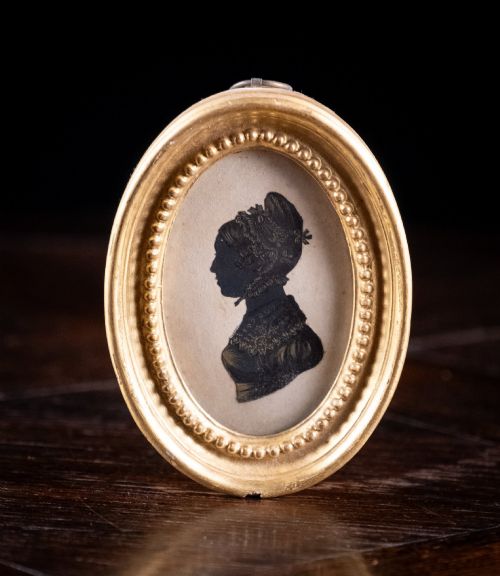
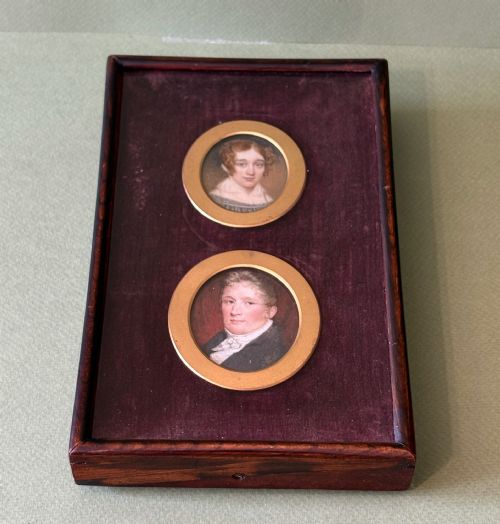
Portrait Miniature Painting
These portrait miniature painting works capture personal likenesses in delicate scale, offering an intimate glimpse into past lives through skilled hand-rendered detail.
Understanding Portrait Miniature Painting
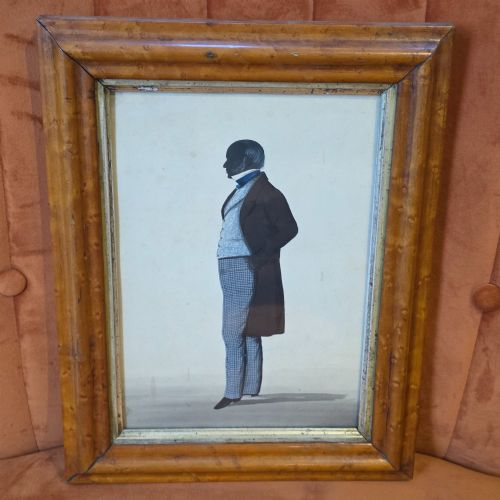
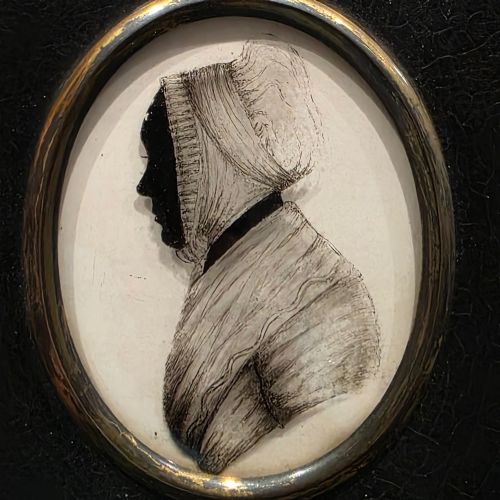
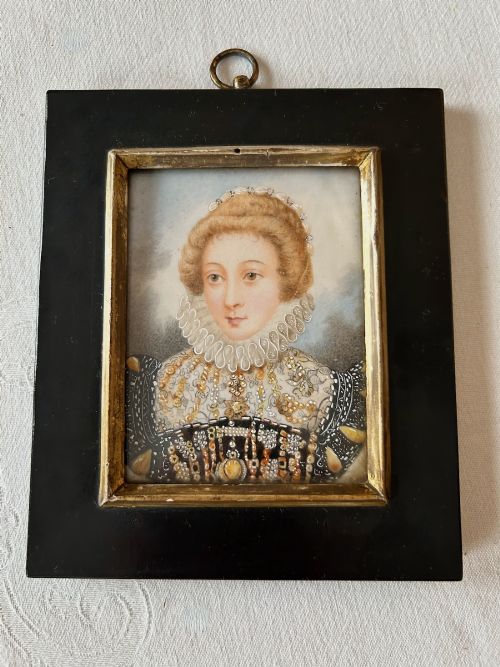
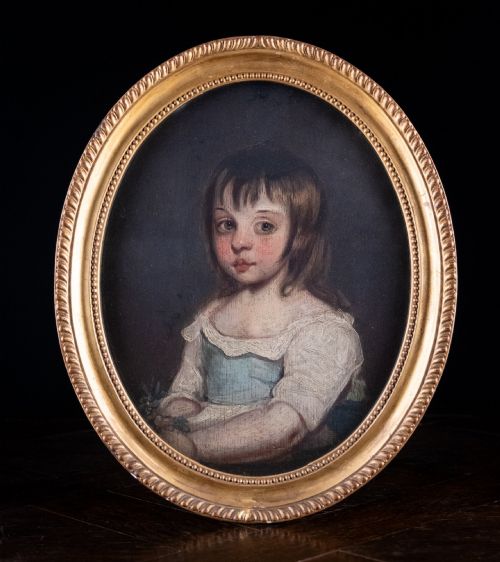
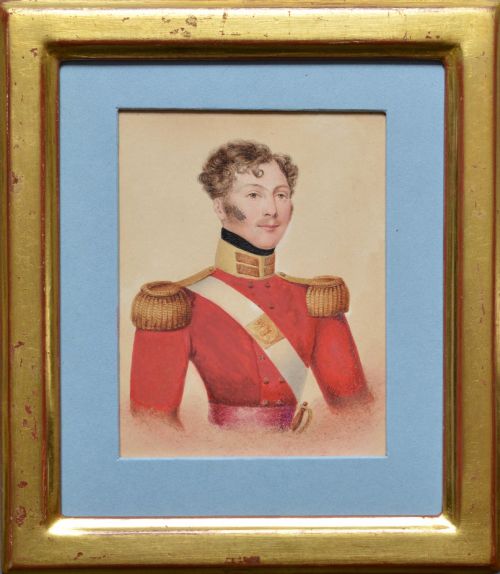
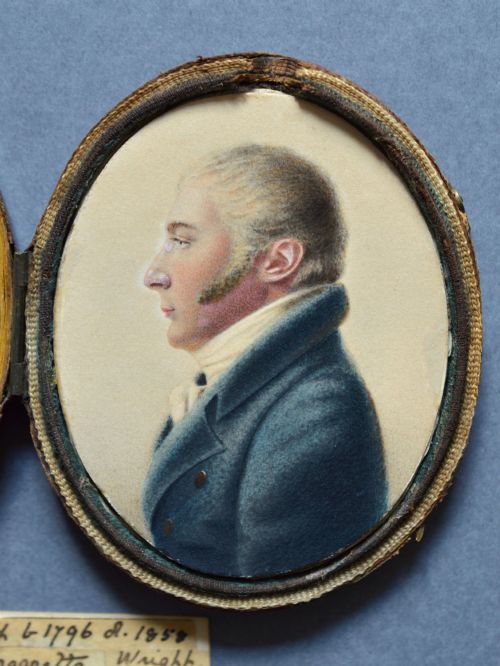
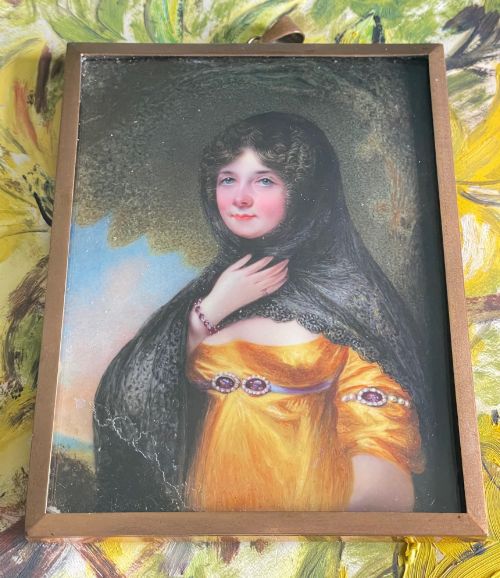
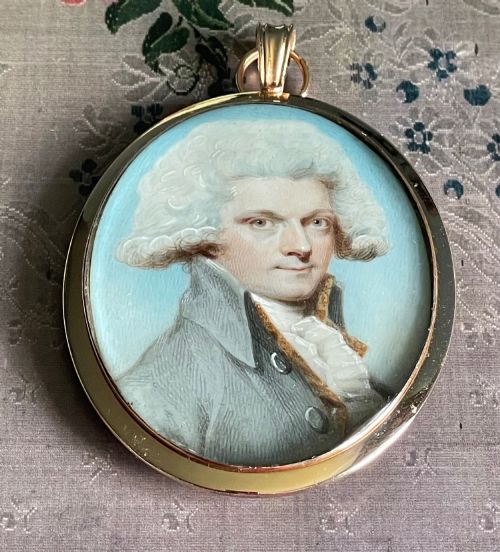
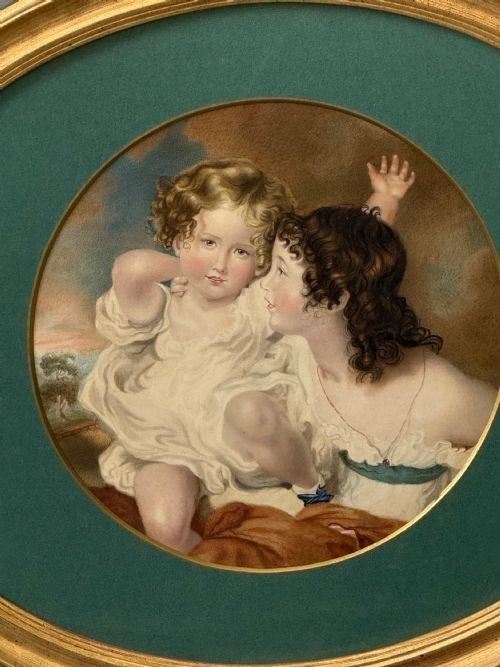
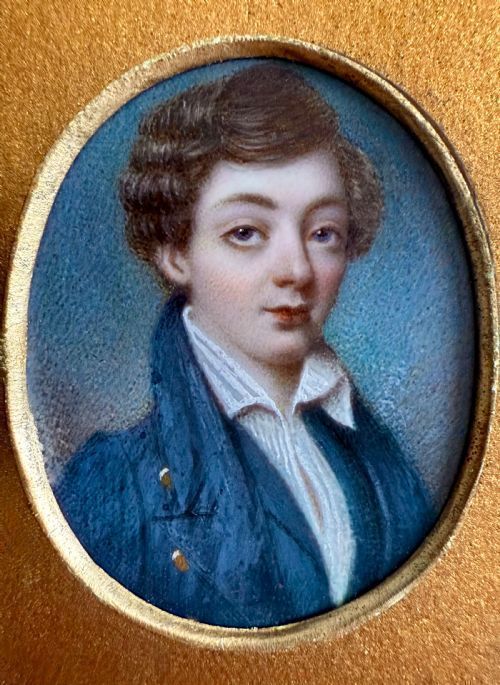
A portrait miniature painting captures personal likenesses on an intimate scale, originating primarily from the Georgian, Regency, and Victorian periods. You will encounter subjects ranging from noble figures and children to anonymous gentlemen and ladies.
The evidence shows these pieces rendered in various forms, including framed works, brooches, and panel paintings. English, French, Danish, and Indian schools all contribute distinct regional characteristics to the selection.
Materials and Techniques
Artists painted these miniature portraits using watercolour, gouache, pencil, and oil paints. Supports varied widely, utilising paper, ivory, celluloid, copper, metal panels, oak panels, and canvas.
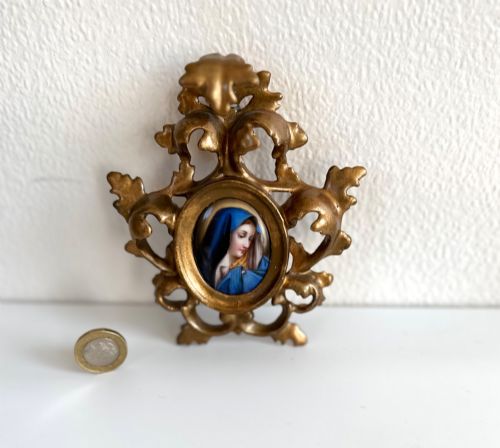
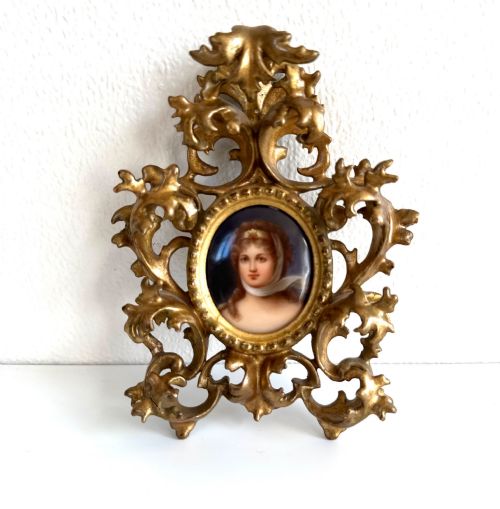
Finished works frequently incorporated protective glass and were housed in gilt metal, ebonised, rosewood, or paper mache frames and brooch mounts.
Frames range from simple ebonised wood to elaborate gilt metal mounts, occasionally incorporating personal items like brooches.
Distinctions in Quality
Quality separates through the precision of the brushwork and the psychological depth captured in the subject's expression. Finer examples maintain crisp facial definition and delicate colour blending despite the tiny scale.
The preservation of the original mounting, whether a gilt frame, ebonised border, or brooch mount, influences the integrity of the piece. Intact original glazing and housings reflect superior historical survival.
John Michael Wright·Peter Paul Rubens·Patrick Wybrant·G. Marshall Mather
The Portrait Miniature Painting Glossary
- Grisaille
- A painting executed entirely in monochrome shades of grey, producing a sculptural, cameo-like effect. This technique highlights the artist's draftsmanship without reliance on colour.
- Gouache
- An opaque watercolour paint consisting of pigment, water, and a binding agent such as gum arabic. It allows for solid, flat areas of colour and sharp linear details.
- Enamel
- A glassy substance fused to a metal backing through high-temperature firing. This method preserves vibrant pigments and prevents fading over centuries.
- Celluloid
- A synthetic plastic material utilised as a painting support in later periods. It provided a smooth, flat surface mimicking traditional ivory.
Frequently Asked Questions
What periods do these paintings come from?
The available examples span several centuries, with particular concentrations from the seventeenth, eighteenth, and nineteenth centuries. Pieces frequently date through the Georgian, Regency, and Victorian eras.
Specific eras like the Meiji period and late nineteenth-century schools also appear within the wider selection.
What surfaces were used for painting?
Artists painted on a diverse range of delicate surfaces depending on the period and region. Common supports include watercolour paper, ivory, card, and celluloid.
Metal panels, copper, oak panels, and canvas also serve as bases, particularly for oil-based works.
How were these miniatures displayed?
Many miniatures were designed to be hung on walls within small wooden or ebonised frames. Gilt metal frames added decorative distinction to domestic displays.
Others functioned as personal ornaments, fitted into brooch mounts to be worn close to the wearer.
How do I identify the subject?
Subjects often include named historical figures, nobility, and family members, though many sitters remain entirely anonymous. Costume details, hairstyles, and clothing fashions help narrow down the date of execution.
Inscriptions on the reverse or accompanying notes sometimes record the sitter's identity or the artist.