




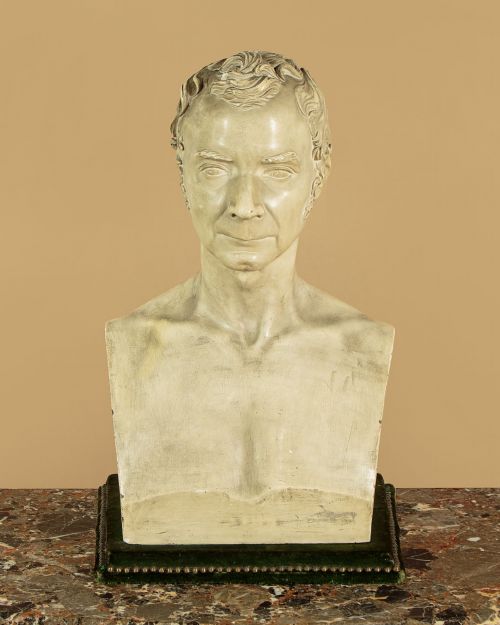
Portrait Head Bust
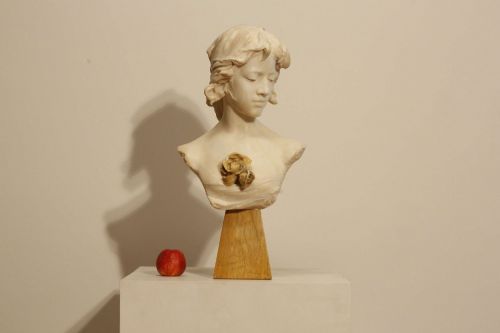
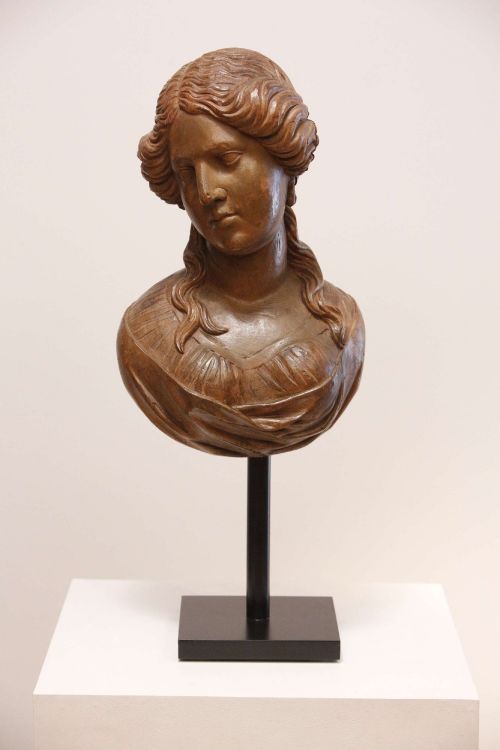
A portrait head bust captures character in solid marble, bronze or plaster, offering a physical presence that flat canvases miss.
Portrait Head Bust
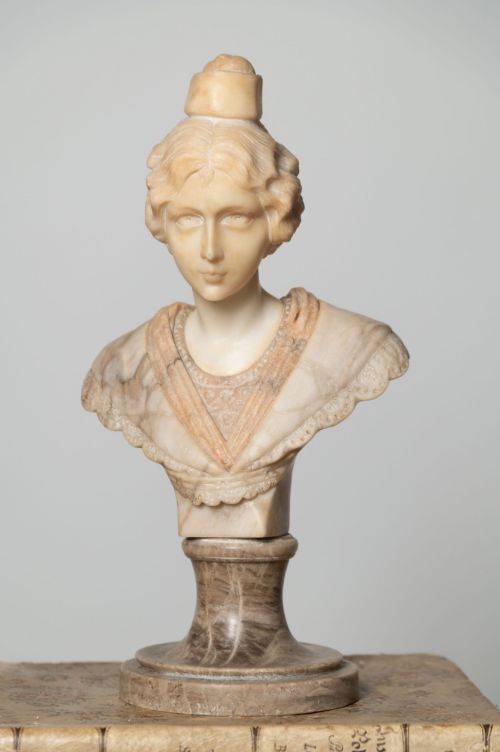
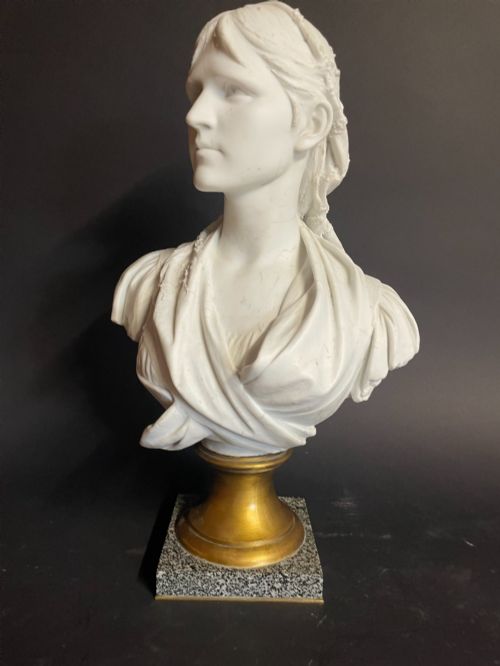
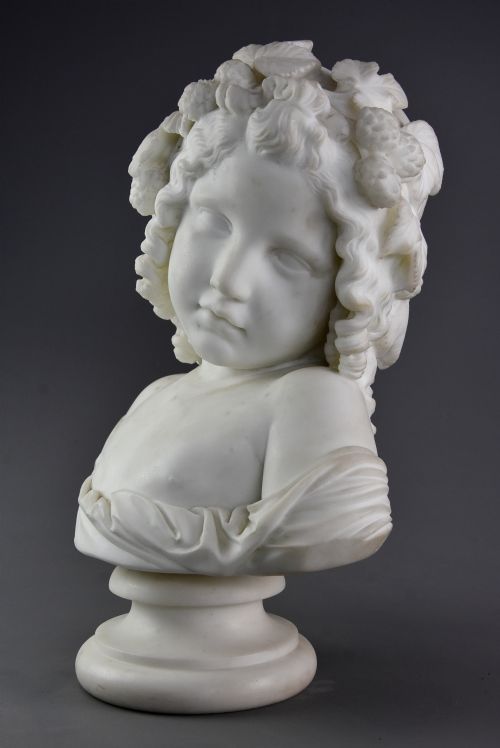
A portrait head bust represents an individual likeness in three dimensions, focusing on the head, neck and shoulders. When you search for a portrait head bust, you encounter works spanning from the seventeenth century through to the mid-twentieth century.
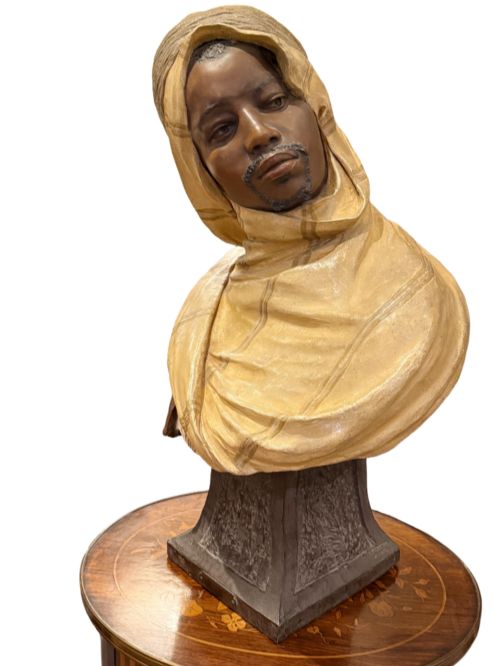
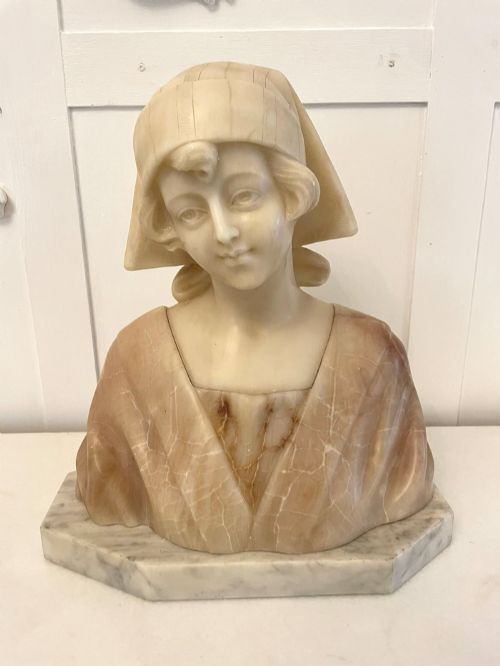
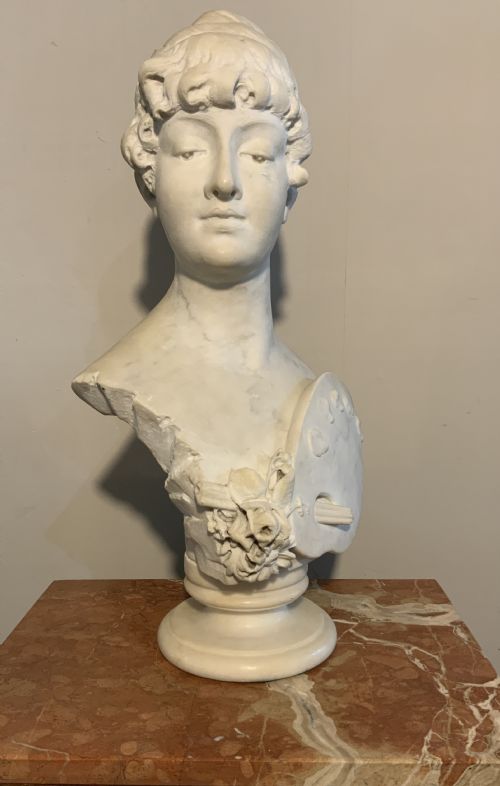
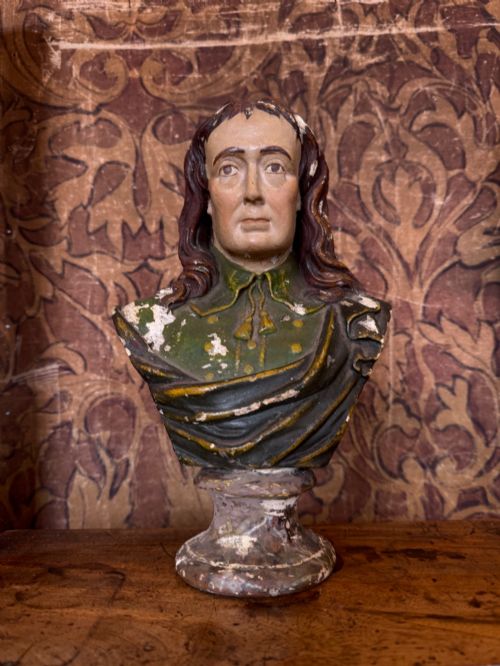
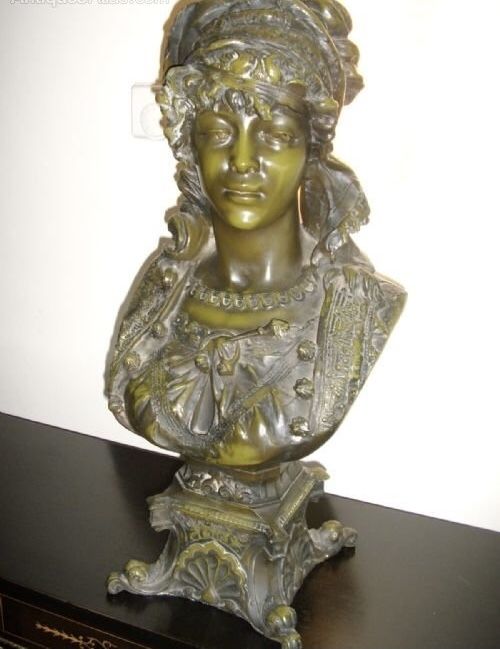
The versions most common on this page are nineteenth-century marble and bronze studies, alongside plaster and alabaster examples from the Victorian and early twentieth-century periods. These range from classical figures and literary giants to civic notables and anonymous subjects.
Makers shaped these pieces in various forms, from monumental civic commissions down to modest library busts and carved bookends. The subjects include historical figures, mythological characters and everyday people rendered with distinct regional characteristics.
Materials and methods
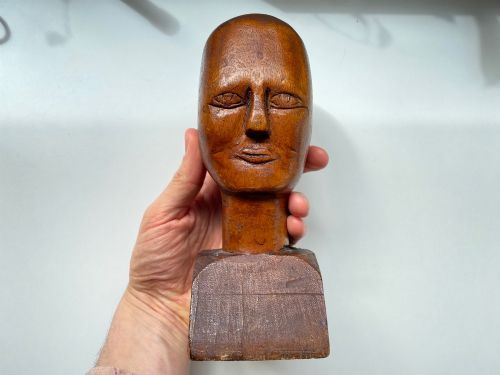
Sculptors carved hard materials directly, working blocks of Carrara marble, alabaster, stone, walnut and pear wood using chisels and rasps. Grain and natural flaws dictated the final finish, leaving subtle tool marks on wood surfaces and smooth, polished planes on stone.
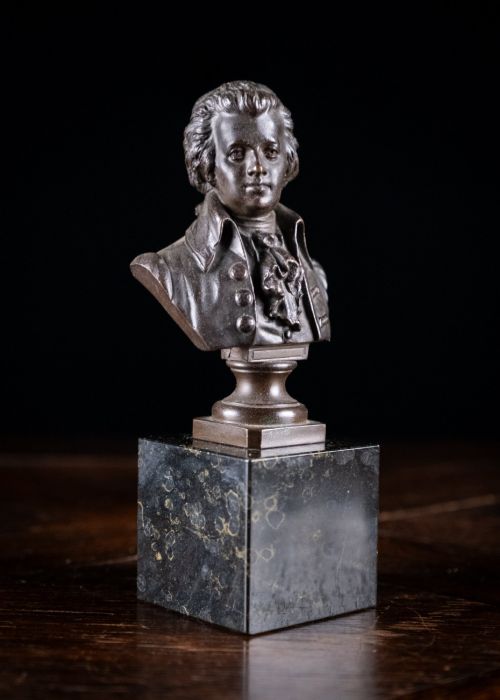
Metals such as bronze required the lost-wax casting method or sand casting, followed by chasing and patination to achieve dark or warm metallic tones. Plaster and terracotta pieces were moulded and cast, then frequently painted or bronzed to simulate heavier metals.
Many works combine materials, mounting marble or bronze portrait heads onto contrasting mineral socles or integrated stone bases.
Portrait Head Bust Retail Price Guide 2026
Typical asking prices for portrait head bust among the pieces listed under this phrase on Sellingantiques today, from the lower quarter to the upper quarter. They describe what is for sale here now, not the wider market.
Among the stone and metal studies, a finely carved pear wood head of an old woman records every wrinkle with woodworker's affection.
Judging quality
Quality rests in the anatomical precision and the sculptor's ability to render lifelike texture in rigid material, distinguishing a mechanical copy from a sensitive observation of bone structure and muscle. Superior pieces capture personality in the tilt of the head and the handling of the eyes.
The crispness of the chasing on cast bronze and the depth of undercut carving in marble separate fine studio work from commercial production. Better examples display careful finishing on reverse and hidden angles, whereas lesser works show shortcuts in polishing and detail.
Eugen Bormel·Goldscheider·Emmanuel Villanis·Raffaelo Monti·George Henry Paulin·Hermann Steiner
The Portrait Head Bust Glossary
- Socle
- A short plinth or pedestal supporting a bust. It elevates the sculpture and provides structural balance.
- Patina
- The surface sheen or coloration developed through age, handling or deliberate chemical treatment on metal and wood. This layer adds visual depth to bronze and terracotta.
- Terracotta
- Fired clay used for sculptural modeling. It is often painted or glazed to finish the surface.
- Polychrome
- Painted in multiple colours. This technique appears on terracotta and plaster works to imitate life.
Portrait Head Bust: Frequently Asked Questions
How should I clean a marble bust?
Dust marble gently with a soft dry cloth. Avoid water and chemical cleaners, which can penetrate porous stone and alter the surface.
Heavier grime requires professional intervention to prevent permanent staining or surface abrasion.
Where were these busts displayed?
Victorian and Edwardian homes positioned these pieces on library shelves, mantelpieces and dedicated pedestals in hallways. They served as scholarly decoration and memorials.
Grand Tour travellers also brought smaller library busts home as souvenirs of European education.
How do I identify bronze from bronzed metal?
True bronze is heavy, cold to the touch and displays a rich metallic grain beneath worn patina points. Magnetic tests often distinguish solid metal alloys from plated substitutes.
Base metals show different weights and may reveal lighter base tones where surface finishes wear thin.
What is a library bust?
A library bust is a smaller-scale sculpture designed to fit on domestic bookshelves, typically depicting philosophers, poets or historical figures. These pieces brought classical learning into private rooms.
They are frequently cast in plaster, bronze or carved in white marble.