






Portrait Display Stand
These portrait display stand pieces organise and elevate photographs, paintings, and miniatures across periods from the Victorian era to the mid-twentieth century.
Portrait Display Stand
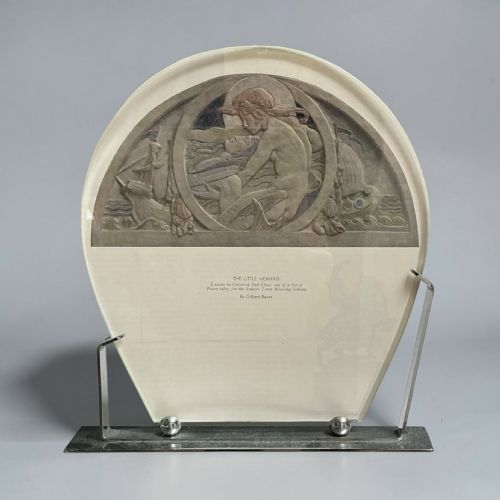
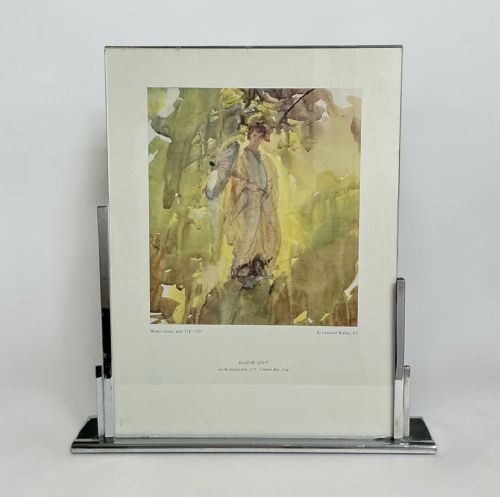
When searching for a portrait display stand, collectors encounter a diverse group of objects designed to hold and showcase images, including picture frames, table top display box frames, and floor standing easels. These pieces range from modest domestic items to substantial display furniture.
The selection spans several distinct eras, drawing heavily from Victorian and Edwardian workshops alongside nineteenth-century examples and mid-century Italian pieces. Forms stretch from sterling silver photo frames to carved wooden easels and marble torchere stands.
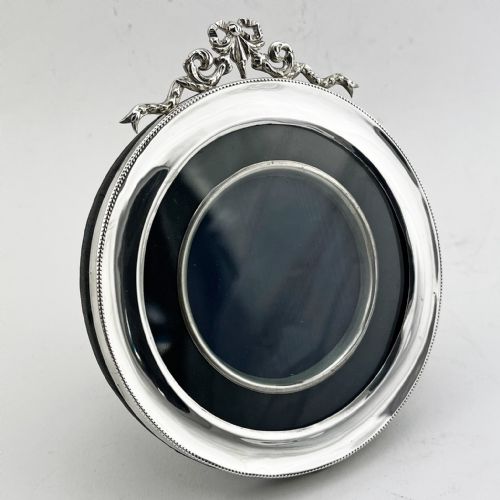
Buyers are most likely to meet silver photo frames and adjustable easels on this page, reflecting the domestic demand for portrait display during the nineteenth and twentieth centuries. Folk art milliner heads and miniature portraits on gilt metal stands also appear, adding variety to the group.
How they were made
Maker's workshops utilised sterling silver, brass, and gold leaf to ornament metal frames and display stands, often combining precious metals with velvet or glass backings. Woodworking techniques produced ebonised wood and oak structures, ranging from double-sided gallery easels to floor standing display furniture.
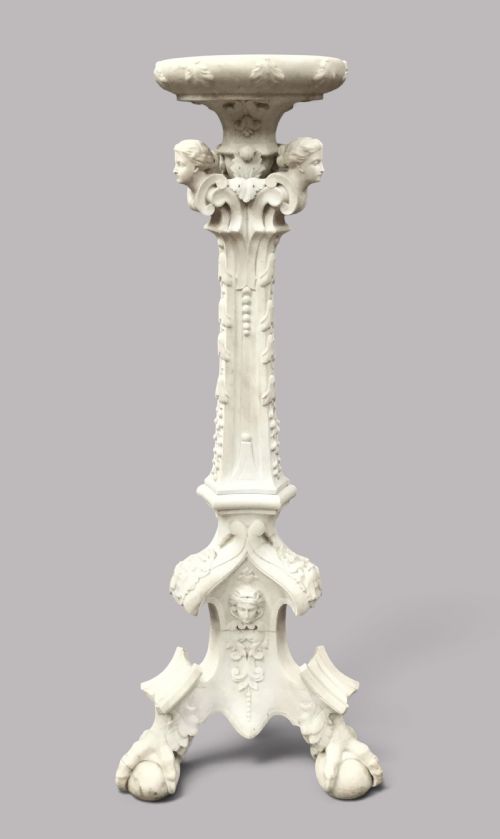
Carving and moulding define the construction of pieces such as Italian Carrara marble torchere stands and folk art milliner heads. Metalwork incorporates intricate floral borders and hallmark stampings, while paper and glass serve structural and protective roles in frames and miniature portrait housings.
Portrait Display Stand Retail Price Guide 2026
Typical asking prices for portrait display stand among the pieces listed under this phrase on Sellingantiques today, from the lower quarter to the upper quarter. They describe what is for sale here now, not the wider market.
An early carver once mistook a hat block for a person, resulting in a folk art milliner head staring perpetually from a display stand.
What varies in quality
Material selection dictates the upper tier of the range, where heavy gauge sterling silver, finely grained oak, and carved Carrara marble displace simpler brass or basic wood construction. The presence of precious metals and stone elevates both the physical weight and the craftsmanship of the object.
Execution of detail separates standard production from finer examples, visible in crisp hand-carved floral borders, precise joinery on double-sided gallery easels, and the quality of ebonised finishes. Maker involvement, such as retail marks from established houses, further distinguishes the finer pieces.
Pinci Roma
The Portrait Display Stand Glossary
- Sterling Silver
- A silver alloy containing 925 parts per thousand of pure silver, widely utilised for Edwardian and Victorian photograph frames.
- Ebonised Wood
- Timber treated with a dark stain or finish to imitate the appearance of ebony, frequently seen on Aesthetic style floor standing easels.
- Torchere Stand
- A tall, slender decorative stand originally designed to hold a candle or torch, utilised here for displaying sculptures or portrait pieces.
- Carte de Visite
- A type of small photograph popularised in the nineteenth century, housed in specialised table top display box frames.
- Portrait Miniature
- A small, highly detailed painting on ivory, vellum, or paper, often mounted on a gilt metal stand for desktop exhibition.
Portrait Display Stand: Frequently Asked Questions
What is a portrait display stand?
A portrait display stand encompasses frames, easels, and pedestals designed to hold and exhibit photographs, paintings, and miniatures.
These pieces range from small silver table frames to large floor-standing easels and marble torcheres.
How do I date an Edwardian silver frame?
Edwardian frames often feature hallmarks indicating the year of assay alongside hallmarks for sterling silver. Stylistic clues include floral borders and Art Nouveau motifs popular around the start of the twentieth century.
Assay office marks and maker's initials stamped into the silver provide the most precise dating evidence.
Were floor standing easels used at home?
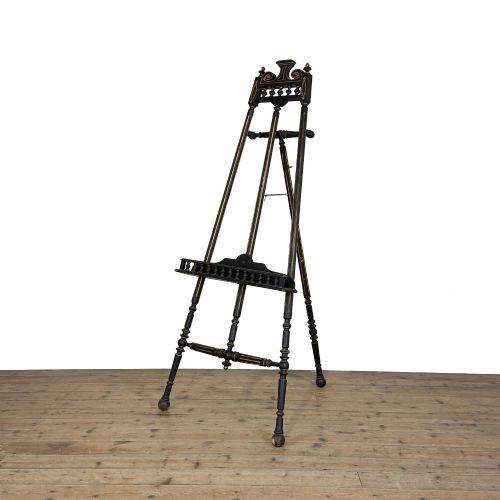
Large floor-standing easels served in domestic drawing rooms and artist studios alike during the Victorian and nineteenth-century periods. They were built to support substantial canvases or gallery frames rather than small photographs.
Double-sided designs allowed viewers to inspect multiple works within a single room setting.
What materials are common in these stands?
Sterling silver, brass, and ebonised wood appear frequently across frames and display furniture from the nineteenth and twentieth centuries. Glass and velvet provide protective fronts and backing materials for photographs.
More substantial pieces incorporate carved oak, Carrara marble, and gold leaf.