



Portable Table
A portable table offers folding practicality and travel-ready design, built for officers and travellers needing surfaces on the move.
Portable Table
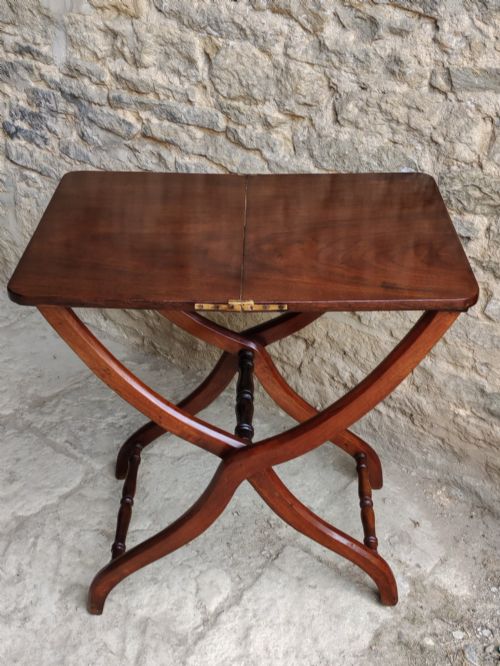
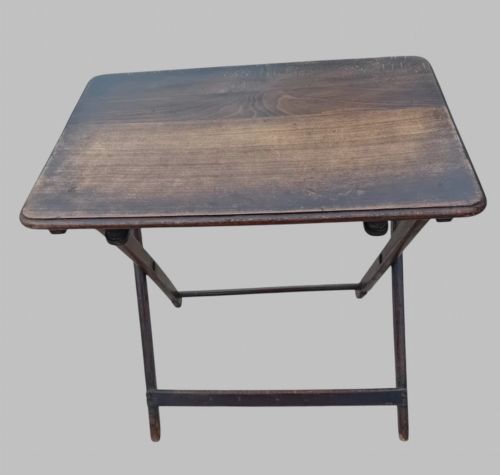
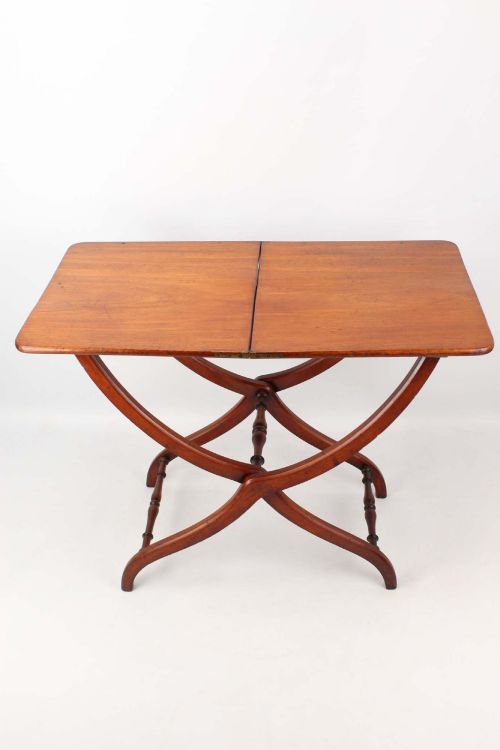
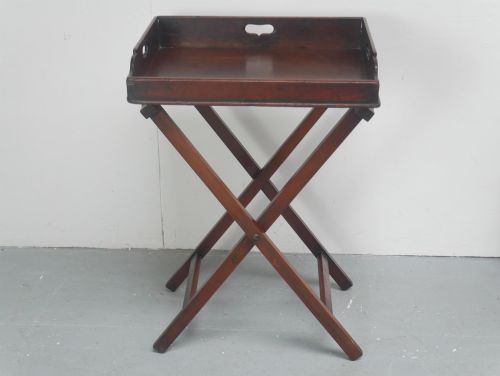
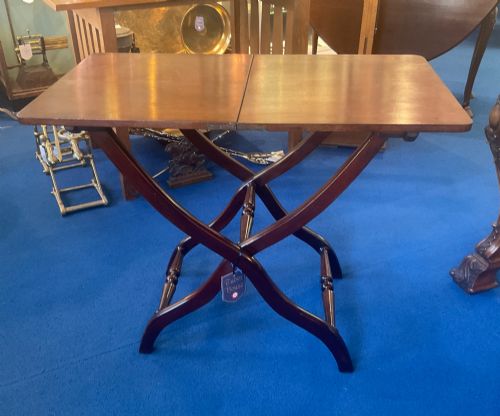
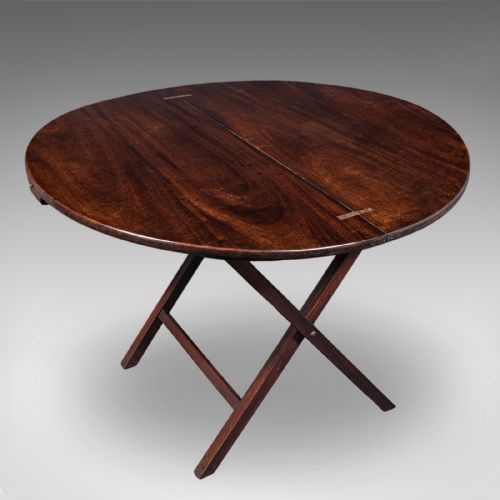
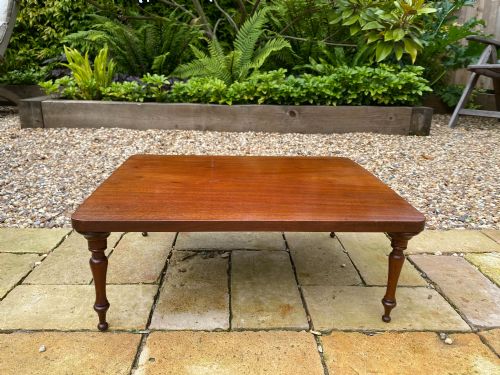
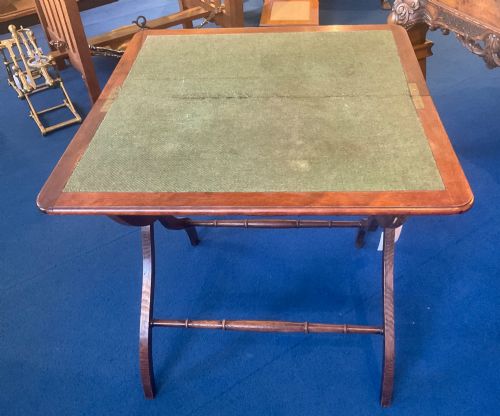
A portable table is designed for movement and compact storage, turning up across the eighteenth, nineteenth, and early twentieth centuries in forms like coaching tables, folding trays, and campaign furniture. Buyers searching for a portable table encounter folding wooden stands paired with removable trays, collapsible frames, and travel desks intended for military and domestic use.
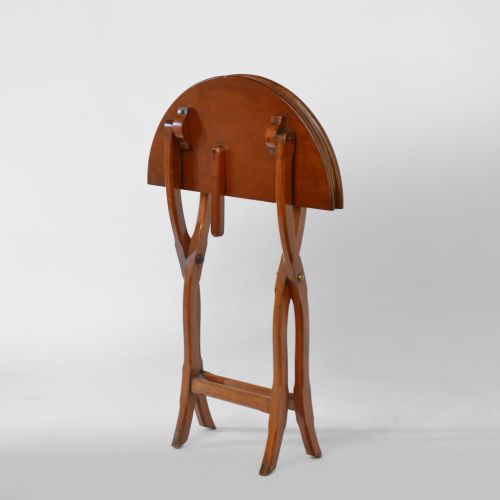
The most common examples on this page are nineteenth-century mahogany coaching tables and folding campaign pieces. These items rely on X-frames or folding legs designed to pack flat while maintaining a stable surface for serving or writing.
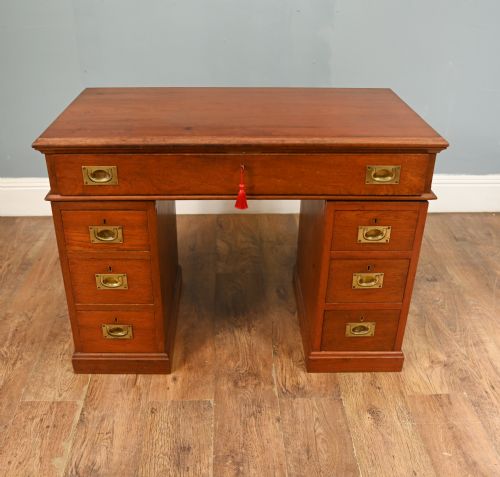
Beyond standard tables, the selection includes related portable forms such as tray tables, washstands, and table-top bureaux. These pieces demonstrate how earlier households adapted furniture for travel, shifting quarters, and multi-use spaces.
How they were made
Timbers such as mahogany, oak, beech, and satinwood provide the structural strength required for items subject to repeated folding and transport. Cabinetmakers utilised brass for corner mounts, hinges, and carrying handles, ensuring joints withstand the stress of dismantling and assembly.
Folding mechanisms rely on clever pivoting frames, drop-in trays, and locking braces that secure the structure without permanent fixings. Leather inserts, enamel details, and glass components occasionally appear on writing surfaces and related accessories to combine utility with refined finish.
Portable Table Retail Price Guide 2026
Typical asking prices for portable table among the pieces listed under this phrase on Sellingantiques today, from the lower quarter to the upper quarter. They describe what is for sale here now, not the wider market.
One coaching table comes with instructions recorded simply as a folding mechanism that demands both patience and a polite apology to your shins.
What varies in quality
Quality rests in the precision of the folding mechanism and the rigidity of the frame when open. Superior pieces maintain tight joints and smooth action without excessive play in the hinges or cross-frames.
Material selection and secondary touches also distinguish finer examples. The choice of well-figured mahogany or oak, combined with quality brass hardware rather than plated iron, elevates a piece from basic utility to fine campaign craftsmanship.
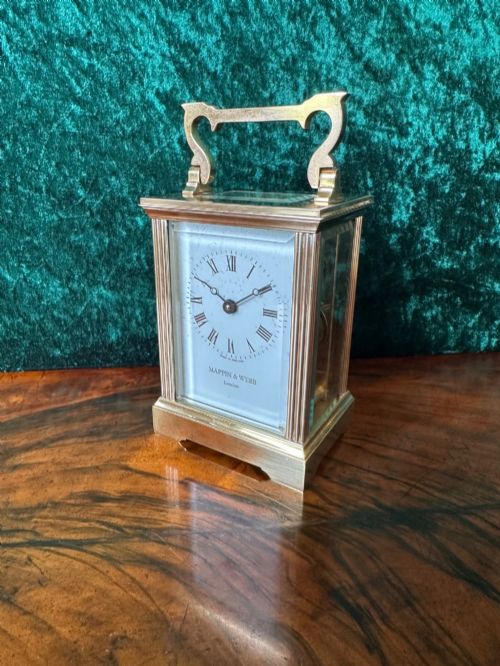
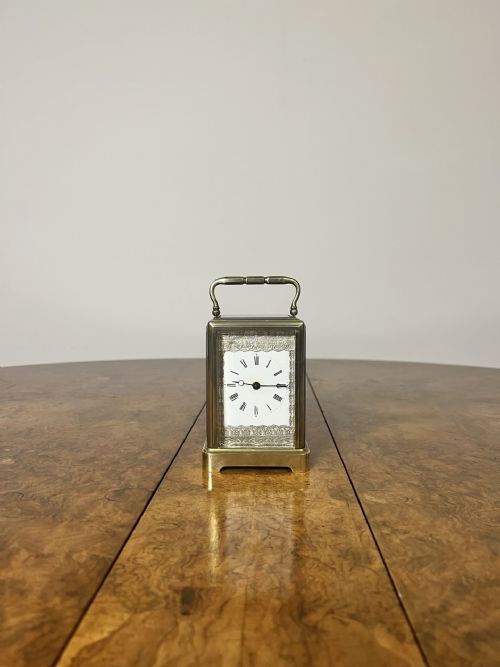
Mappin and Web·Latshea and Sons Edinburgh·J.C Vickery of London·Paul Garnier·Henri Jacot
The Portable Table Glossary
- Campaign style
- Furniture designed to dismantle or fold for military transport during campaigns. Such pieces feature recessed brass handles and protective corner brackets.
- Coaching table
- A folding wooden table with an X-frame base and a removable tray top. These tables packed flat inside coaches for travel.
- Butlers tray
- A rectangular wooden tray with hinged sides that lift to contain items or lower for serving. They sit atop dedicated folding stands.
- Cheveret
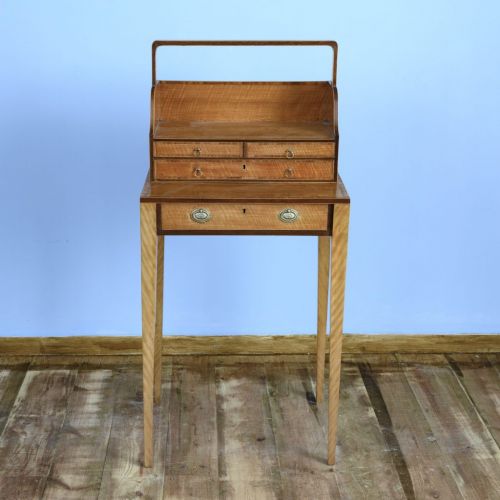
- A small portable writing table fitted with a small bookshelf or drawers on top. Eighteenth-century examples often use satinwood or mahogany.
- Metamorphic
- Furniture designed to transform from one form into another, such as a writing desk that converts into a flat table or reading stand.
Portable Table: Frequently Asked Questions
What defines a portable table?
A portable table is any surface built to fold, dismantle, or travel easily. These items range from nineteenth-century mahogany coaching tables to campaign stands designed for military or domestic relocation.
Such pieces prioritise space-saving mechanics, often utilising X-frames or removable trays that pack flat. Their construction combines sturdy timbers with robust brass hardware to survive frequent movement.
How do I identify campaign furniture?
Campaign furniture is identified by its practical, travel-ready construction, featuring flush brass mounts, folding legs, and recessed handles. These design elements prevented snagging during transport.
Many pieces also include dismantling sections or folding mechanisms that allow officers and travellers to pack bulkier items into compact wooden chests.
Where were coaching tables used?
Coaching tables were utilised during travel by carriage, serving as temporary surfaces for dining, reading, or writing at coaching inns and temporary lodgings. Their folding design allowed servants to pack them away swiftly.
In domestic settings, households adopted them as versatile occasional tables that could be stored flat against a wall when not in use.
How should I care for a folding table?
Care involves gentle handling of the folding hinges and pivoting wooden joints to prevent unnecessary strain on the original pins and brackets. Regular dusting and occasional waxing preserve the timber surfaces.
Avoid placing folding tables in damp environments or direct sunlight, as shifts in temperature can affect the movement of the wooden frames and brass fittings.