



Porcelain Woman Figurine
These porcelain woman figurine examples bring ceramic artistry into your home, capturing centuries of fashion and craft in delicate form.
Porcelain Woman Figurine
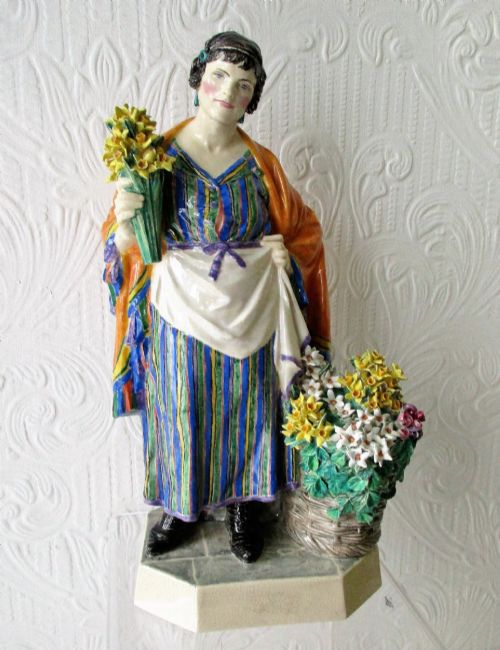
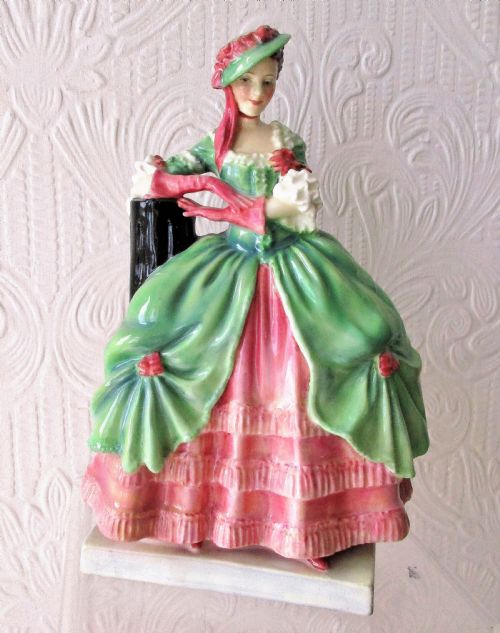
A porcelain woman figurine captures female figures across various historic periods, ranging from Georgian flower sellers to Art Nouveau dancers. These decorative pieces emerge from European and Japanese traditions, spanning soft-paste porcelain, bone china, and earthenware.
Most examples encountered here belong to the nineteenth and early twentieth centuries, including Victorian classical revivals and Edwardian market costumes. Makers translate subjects such as musicians, fisher folk, and historical characters into three-dimensional statuettes.
Materials and production methods
Craftsmen shape these pieces using fine ceramic bodies, including soft-paste porcelain and bone china, alongside specialised bodies like Parian ware. Enamel pigments provide lasting colour, while gold leaf and gilding highlight robes, borders, and accessories.
Moulding and hand-modelling allow intricate details such as wicker baskets, scarves, and facial expressions to take shape before firing and glazing. Kiln techniques determine the final finish, yielding either a glossy sheen or the matte texture typical of unglazed statuary.
Porcelain Woman Figurine Retail Price Guide 2026
Typical asking prices for porcelain woman figurine among the pieces listed under this phrase on Sellingantiques today, from the lower quarter to the upper quarter. They describe what is for sale here now, not the wider market.
Distinguishing fine work
Finer figures often retain clear maker marks or model numbers, showing the pedigree of factories like Meissen, Royal Worcester, or Derby. The balance of the composition and the natural fall of garments separate standard decorative items from masterworks of ceramic sculpture.
Royal Doulton·Royal Worcester·Royal Copenhagen·Ernst Wahliss·Royal Dux
The Porcelain Woman Figurine Glossary
- Parian ware
- A fine-grained bisque porcelain resembling marble, developed in the nineteenth century for classical statuary. This material lacks a glossy glaze, emphasising sculptural contours.
- Soft-paste porcelain
- An artificial ceramic compound fired at lower temperatures than hard-paste porcelain. It produces a warm tone and interacts richly with early enamel colours.
- Gilding
- The application of gold leaf or gold paint to ceramic surfaces. It accentuates decorative trims, garment edges, and structural motifs.
- Bisque
- Unglazed ceramic fired once to vitrify the body. It offers a matte surface popular for nineteenth-century portrait figures.
- Okimono
- A Japanese ornamental carving or figure designed for display on a shelf or in a tokonoma. These pieces showcase meticulous attention to traditional costume and posture.
Porcelain Woman Figurine: Frequently Asked Questions
How do I clean an antique porcelain figurine?
Dust the surface gently with a soft, dry brush to prevent dirt accumulation without risking fragile extremities like fingers or basket handles.
Avoid immersing glazed or painted pieces in water, particularly if they feature delicate enamel work or gold leaf that might lift.
Where should I display these figures at home?
Place statuettes within stable cabinets or on secure mantelpieces away from direct sunlight and heavy foot traffic.
Keeping them out of reach prevents accidental knocks, while enclosed shelving minimises dust settling on intricate surface details.
How can I tell a Georgian figure from a Victorian one?
Georgian and eighteenth-century figures often display Rococo curves and hand-modelled botanical elements with softer enamel palettes.
Victorian and later pieces frequently employ standardised moulding techniques, introducing industrial marks and distinct revival styles like Art Nouveau or classical revivals.
What do model numbers and factory marks indicate?
Factory stamps and impressed numbers help identify the workshop of origin, the specific mould used, and sometimes the active production period.
These marks serve as a reliable fingerprint for dating the piece and linking it to established ceramic houses.