





Porcelain Mounted Box
Porcelain mounted box pieces combine hand-painted ceramics with rich timber or gilt metal frames to hold small treasures.
Porcelain Mounted Box
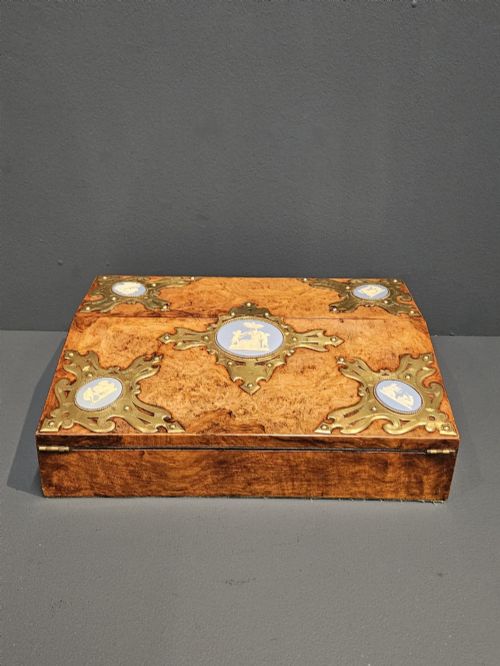
A porcelain mounted box brings together delicate ceramic plaques and sturdy structural materials like kingwood, burr walnut, or gilt bronze. Buyers searching for a porcelain mounted box often encounter Victorian and Edwardian examples originating from French and English workshops.
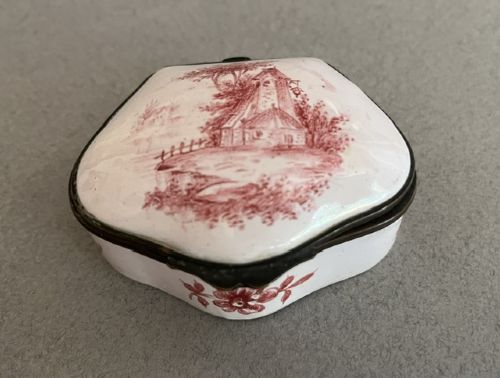
The forms span from small trinket boxes and vanity jars to larger jewellery caskets and stationary boxes. Many pieces utilise Louis XV Revival, Rococo Revival, or Neoclassical styles, incorporating hand-painted porcelain plaques into their hinged lids or sides.
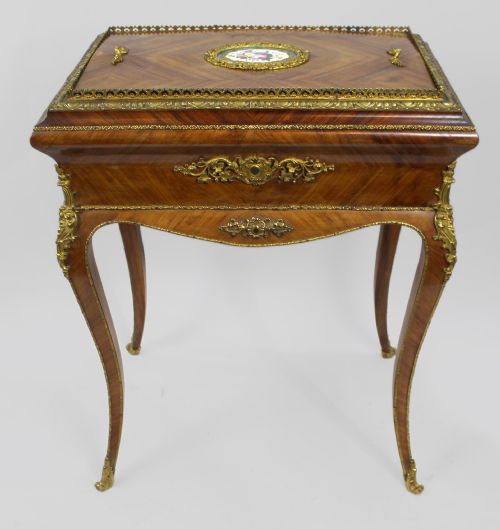
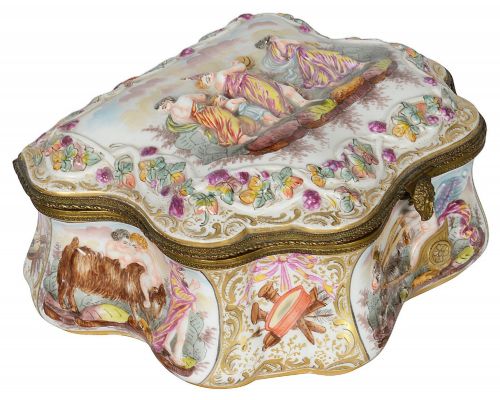
While the selection includes larger jardinieres and display tables, the core of the group consists of lidded caskets designed for dressing tables and writing desks. These containers frequently pair Sevres-type or Capodimonte porcelain with brass, ormolu, and glass elements.
Materials and construction
Makers constructed the carcass of each porcelain mounted box using dense hardwoods such as kingwood and burr walnut, often applying intricate inlay work. These timber frames were fitted with brass, ormolu, or gilt bronze mounts to secure the delicate ceramic plaques.
The ceramic components themselves feature hand-painted scenes set against cobalt blue or white grounds, protected by glass in certain vanity jars and trinket boxes. Metal hinges and clasps complete the assembly, joining the lid to the base with precision.
Porcelain Mounted Box Retail Price Guide 2026
Typical asking prices for porcelain mounted box among the pieces listed under this phrase on Sellingantiques today, from the lower quarter to the upper quarter. They describe what is for sale here now, not the wider market.
Some nineteenth-century trinket boxes managed to hide private compartments beneath hand-painted ceramic scenes for secret letters.
Assessing quality
Quality in a porcelain mounted box rests on the crispness of the gilt bronze or ormolu casting and the finesse of the hand-painted porcelain plaque. Finer examples display detailed brushwork on the ceramic panels and tight joinery within the timber or glass structure.
The weight and finish of the brass or ormolu mounts indicate the standard of production, alongside the selection of Burr walnut or inlaid kingwood veneers. Superior pieces maintain alignment in their hinged lids and retain their original interior linings.
The Porcelain Mounted Box Glossary
- Ormolu
- A gilded bronze technique used extensively for decorative mounts on French and English boxes.
- Kingwood
- A dense, richly grained timber utilised in nineteenth-century cabinet making for decorative veneer.
- Sevres-type
- A term describing porcelain decorated in the style of the famous French factory, often featuring cobalt blue and hand-painted subjects.
- Bijouterie table
- A glass-topped display table designed for showing small precious objects and jewellery.
- Capodimonte
- A style of Italian porcelain known for relief decoration and soft paste composition.
Porcelain Mounted Box: Frequently Asked Questions
What were porcelain mounted boxes used for?
These boxes served as secure receptacles for small valuables, trinkets, and jewellery on nineteenth-century dressing tables.
Stationery boxes and vanity jars provided designated storage for writing equipment and personal grooming accessories.
How do I date a porcelain mounted box?
Dating relies on stylistic clues such as Neoclassical or Rococo Revival motifs combined with period timber usage like burr walnut.
Hardware styles, construction techniques, and factory marks on the porcelain plaques also help narrow down the decade of production.
Are French and English boxes different?
French examples frequently employ kingwood, ormolu, and Sevres-style porcelain within Louis XV Revival frameworks.
English variants often utilise burr walnut or incorporate sterling silver mounts alongside hand-painted ceramic plaques.
How should I care for these boxes?
Keep wooden and gilded surfaces away from direct sunlight and excessive moisture to protect the delicate veneers and mounts.
Dust the porcelain plaques gently with a soft dry cloth and avoid harsh chemical cleaners on the metalwork.