



Porcelain Imari Pot
These porcelain imari pot examples bring together cobalt blue, iron red, and gold leaf across centuries of Japanese and European output.
Porcelain Imari Pot
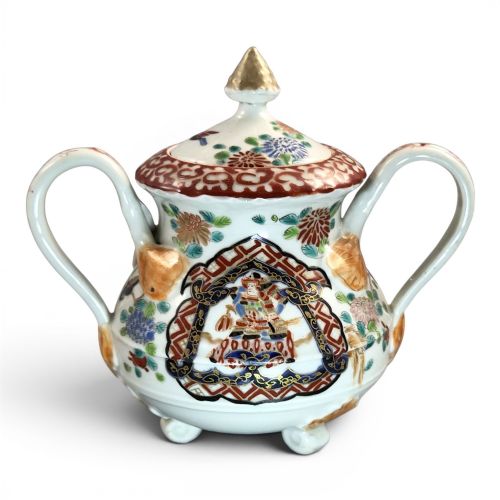
A porcelain imari pot encompasses pieces spanning large jardinieres, lidded jars, pot pourri vessels, coffee pots, and sugar bowls. The items range from seventeen-century origins through the Georgian and Victorian eras, taking in both Japanese Arita wares and European interpretations.
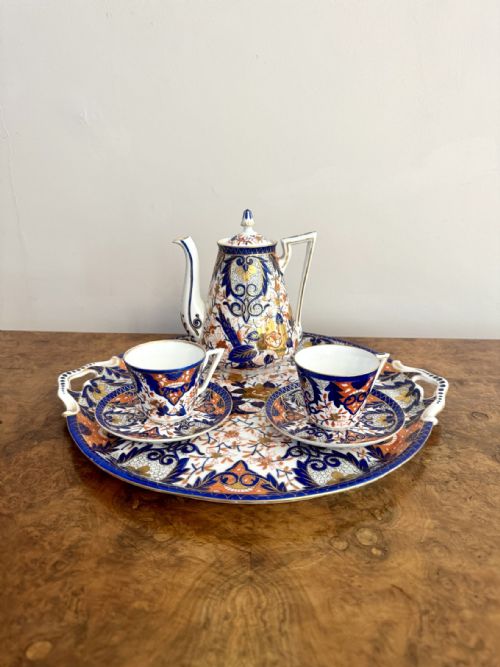
Japanese pieces dominate the selection, particularly through Edo Period and Meiji Period creations, alongside Chinese Export variations. European makers also produced distinct responses, utilising ironstone and bone china to interpret the palette.
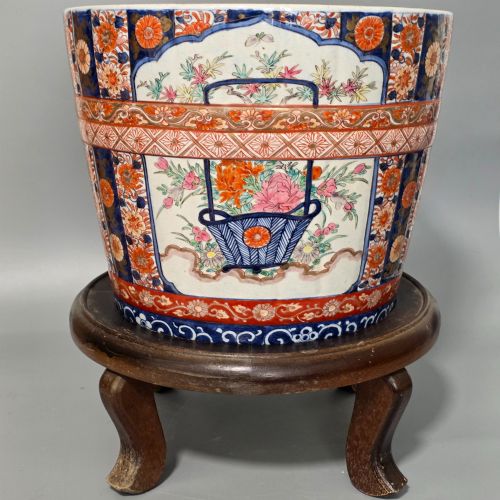
Jardinieres and planters stand alongside smaller table vessels such as chocolate cups and sake ewers. Buyers encounter everything from massive nineteenth-century planters to compact miniatures.
Materials and Construction
Makers utilised ceramic, porcelain, ironstone, and bone china as the structural body for these pots. Potters shaped the clay before applying underglaze cobalt blue and overglaze enamel colours.
Workers integrated gold leaf and rich glaze to build the characteristic layered patterns seen across the palette. Hardwood stands sometimes accompanied larger jardinieres and planters.
Firing techniques allowed kilns to set the dense pigments securely into the hard paste body. Artisans painted intricate scenes involving figures, foliage, and geometric borders by hand.
Samurai warriors stare out from nineteenth-century porcelain surfaces alongside delicate pink peonies.
Assessing Quality and Execution
The precision of the hand-painted enamel work and the crispness of the cobalt blue define the upper tier of production. Superior pieces display refined brushwork and a balanced distribution of gold leaf highlights across the glazed surface.
The weight and purity of the porcelain body, along with the stability of larger forms like jardinieres, indicate the skill of the original workshop. Early examples show distinct throwing rings and glaze variations that contrast with later mass-produced wares.
Fukagawa Mark·Masons Ironstone·Spode·Davenport·Samson
The Porcelain Imari Pot Glossary
- Imari
- A style of ceramic decoration originating in Japan, characterised by a palette of cobalt blue, iron red, and gold. The name derives from the port from which these wares were shipped.
- Jardiniere
- A large ornamental pot or planter designed to hold growing plants or flowers. They appear in ceramic, ironstone, and porcelain forms.
- Arita
- The Japanese town and surrounding region central to the production of early porcelain. Kilns here produced the foundational wares that inspired European copies.
- Ironstone
- A heavy, durable type of ceramic developed in nineteenth-century Britain. Makers utilised it to create robust vessels featuring traditional Imari patterns.
- Pot Pourri
- A vessel featuring a pierced or perforated cover designed to hold dried scented plant material. These lidded pots often stood on mantelpieces or tables.
Porcelain Imari Pot: Frequently Asked Questions
How do I date an imari pot?
Dating relies on body material, glaze characteristics, and potting style. Seventeenth and eighteenth-century pieces often show coarser potting and deeper underglaze tones.
Nineteenth-century examples frequently feature brighter enamels and cleaner white porcelain grounds. Maker marks and export stamps provide further chronological clues.
Are these pots suitable for live plants?
Large jardinieres and planters accommodate potted plants easily. Placing a saucer inside protects the historic interior glaze from moisture.
Smaller vessels like sugar bowls and pot pourri pots function best as decorative display items rather than functional planters.
How should I clean porcelain imari?
Wash surfaces gently using lukewarm water and mild soap. Avoid abrasive cloths that might scratch the delicate overglaze enamels and gold leaf.
Dry thoroughly with a soft cloth to preserve the polished sheen of the glaze.
What is the difference between Japanese and European imari?
Japanese originals from the Edo and Meiji periods rely on indigenous hard-paste porcelain and traditional motifs. European factories like Spode and Masons reinterpreted these designs using bone china or ironstone.
European versions often adapt the palette to suit contemporary Georgian and Victorian tastes.