





Porcelain Display Figures
Porcelain display figures are decorative ornaments designed for visual impact, bringing character and colour to interiors from the Victorian era onwards.
Porcelain Display Figures
When you search for porcelain display figures, you encounter sculptural works designed purely for ornament rather than utility. These pieces include Continental groups, Staffordshire watch holders, and individual figures such as fishermen and fishwives.
The selections span the nineteenth century and the early twentieth century, encompassing Victorian European manufactories and Japanese Satsuma workshops. European salon pieces and Bohemian figures appear alongside earthenware and porcelain compositions.
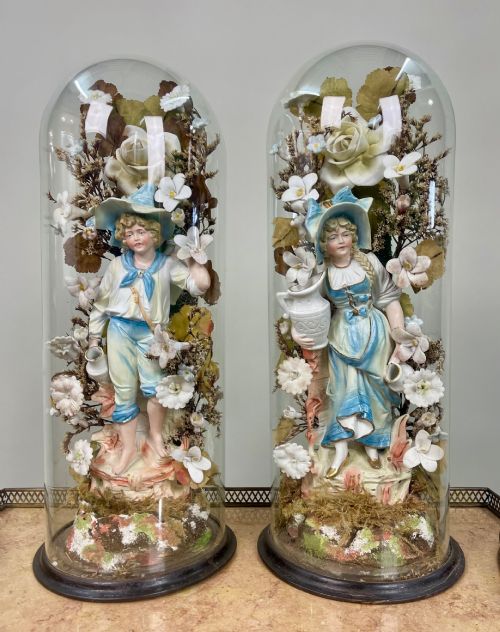
You are most likely to meet Victorian continental figures under glass domes or individual figures from European potteries. These items reflect the domestic interior tastes of the nineteenth and early twentieth centuries.
How they were made
Makers shaped these display items from porcelain, earthenware, and enamel, applying detailed glazes and occasional gold leaf or gilt highlights. European models utilised moulded ceramic bodies finished with hand-painted enamel colours.
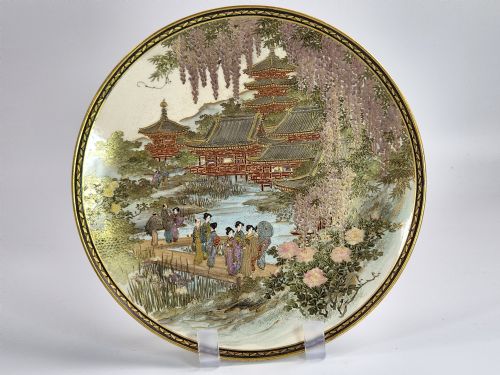
Japanese examples incorporated specialised techniques such as moriage relief work on cobalt grounds and intricate hand-painting. Artisans employed kiln-firing processes to fix both the ceramic body and the surface decoration.
Porcelain Display Figures Retail Price Guide 2026
Typical asking prices for porcelain display figures among the pieces listed under this phrase on Sellingantiques today, from the lower quarter to the upper quarter. They describe what is for sale here now, not the wider market.
Listings feature porcelain, earthenware, enamel, and wood across periods from the nineteenth century into the twentieth century.
What varies in quality
The standard of modelling and the precision of the hand-painting dictate the quality of each piece. Superior examples exhibit fine detail in facial expressions, clothing folds, and delicate decorative motifs.
The presence of original associated elements, such as glass domes for Victorian figures, alters the integrity of the object. Workshop signatures and identifiable factory marks also distinguish standard production pieces from finer studio output.
Royal Dux·Volkstedt Porcelain·Tokyo Taizan·Meissen·Royal Doulton
The Porcelain Display Figures Glossary
- Moriage
- A Japanese ceramic technique using slip applied in dots or lines to create raised decorative patterns. This method adds tactile relief to the surface of vases and jars.
- Imari
- A style of Japanese export porcelain decorated in underglaze blue, iron red, and gold. The palette creates a rich, patterned appearance across plates and vases.
- Staffordshire
- Pottery produced in the English region of Staffordshire, known for figures and decorative objects. These ceramic pieces often capture domestic subjects and animals.
- Gilt
- A thin layer of gold applied to the surface of porcelain or wood. This finish highlights decorative details and adds reflective warmth to the object.
Porcelain Display Figures: Frequently Asked Questions
How were figures used originally?
Owners placed these objects on mantelpieces, side tables, and within display cabinets to demonstrate taste and refinement. They served as visual focal points in Victorian and Edwardian reception rooms.
Some items, such as watch holders, combined decorative presence with a practical function for holding pocket watches.
How do I live with these figures?
Position them away from direct sunlight and high humidity to protect delicate enamel colours and gilt highlights. Stable surfaces prevent accidental knocks to unanchored ceramic pieces.
Grouping items by period or origin can create a cohesive display that respects their historical context.
How do I tell periods apart?
Stylistic indicators and glaze types help distinguish nineteenth-century items from early twentieth-century examples. Victorian European pieces often show romanticism or realism, while later pieces adopt simpler or more geometric lines.
Maker marks and regional decorative conventions provide further chronological markers.