







Porcelain and Brass Vases
Porcelain and brass vases combine ceramic bodies with metal mounts, offering domestic utility and decorative weight.
Porcelain and Brass Vases
Porcelain and brass vases encompass ceramic vessels set into or fitted with metal mounts, often adapted into lighting or mantel objects. When buyers search for porcelain and brass vases, they encounter pieces originating from 18th century European kilns and Chinese export workshops alongside 19th century interpretations.
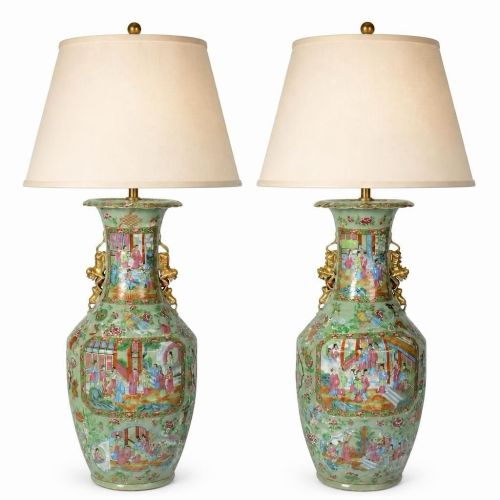
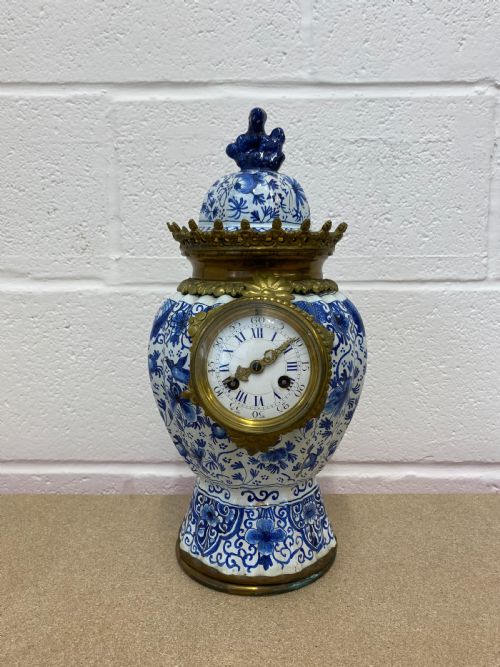
The domestic selection on this page relies heavily on converted vessels, where ceramic jars and urns receive brass bases or collars to function as table lamps, lanterns, and candelabras. These objects span French Paris ware, Japanese Satsuma, and diverse Chinese styles including Famille Rose, Celadon, and blue and white decoration.
The physical form bridges decorative ceramic production with structural metalwork, creating items that serve both as visual anchors in a room and as functional light sources. Many examples show direct adaptations from earlier centuries mounted during Victorian periods or the early decades of the 20th century.
Methods of construction and assembly
Makers combine high-fired ceramic bodies with cast or sheet brass components, securing the porcelain through threaded rods, collars, and fitted bezels. The metal elements provide stability and elevation, protecting the vulnerable ceramic base while introducing patinated or gilt metalwork to the composition.
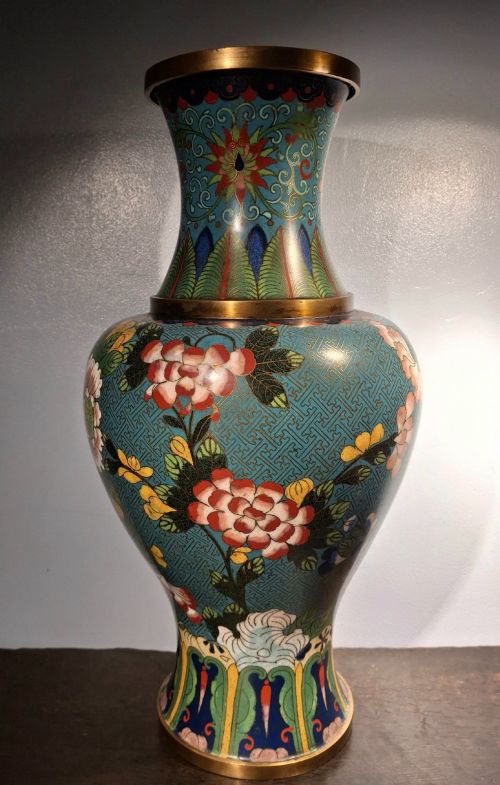
Ceramic surfaces utilise hand-painted enamels, underglaze blue, and cloisonné wirework before or after mounting, demonstrating precise kiln control across Chinese export and European factory traditions. Structural brass mounts are cast and turned to follow the specific contours of baluster, urn, and jar forms.
Porcelain and Brass Vases Retail Price Guide 2026
Typical asking prices for porcelain and brass vases among the pieces listed under this phrase on Sellingantiques today, from the lower quarter to the upper quarter. They describe what is for sale here now, not the wider market.
Several centuries of global trade ended up wiring a Chinese ginger jar for electricity in a Parisian workshop.
Evaluating design and execution
Quality rests on the integration between the ceramic body and the brass mounting, where tight tolerances and well-fitted collars indicate skilled conversion work. Superior pieces maintain the visual balance of the original vessel without straining the ceramic structure during assembly.
The crispness of the porcelain painting and the weight of the cast brass distinguish finer examples from mass-produced equivalents. Hand-painted enamels with distinct line work and substantial, patinated metal mounts demonstrate superior workshop standards.
The Porcelain and Brass Vases Glossary
- Famille Rose
- A palette of opaque pink enamel introduced to Chinese ceramics during the Qing dynasty. This colouring technique defines numerous 19th century export vases.
- Cloisonne
- A metalworking technique where enamel paste fills compartments formed by soldered flat wires on a base. This method appears on decorative vessels and mounted lamps.
- Satsuma
- A type of Japanese earthenware featuring a crackle glaze and elaborate polychrome and gilt decoration. These pieces frequently date to the Meiji period.
- Ormolu
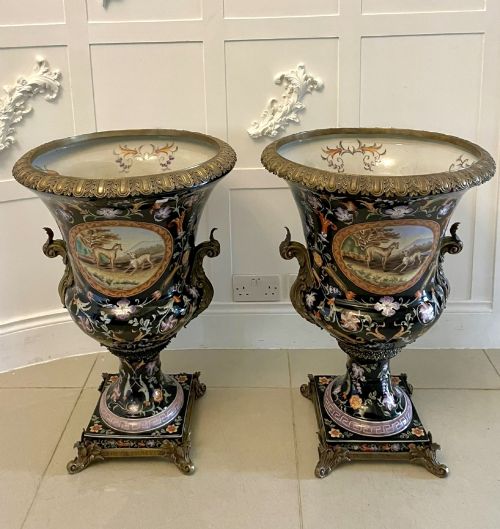
- Gilt bronze mounts used to finish and elevate European porcelain vessels. The technique adds decorative handles, feet, and rims.
- Imari
- A style of Japanese export porcelain decorated in underglaze blue, iron red, and gold. It remains prominent across 18th and 19th century listings.
Porcelain and Brass Vases: Frequently Asked Questions
What periods do these pieces date from?
The inventory spans the 18th, 19th, and early 20th centuries, with significant representation from the Victorian era and 1920s decorative adaptations.
European factories and Asian export kilns both contribute items to this span, reflecting shifting interior tastes across multiple decades.
How were these vases originally used?
Many items served as display vessels, ginger jars, or mantel ornaments before undergoing conversion into oil lamps and electric table lamps.
Mounts added during the 19th century frequently transformed decorative urns into functional domestic lighting without destroying the underlying ceramic.
Are the brass mounts original to the ceramic?
Some mounts were applied contemporaneously by European makers like those in Paris or Sevres, while others represent later adaptations.
Evaluating the fit and the patina of the brass helps determine whether the mounting occurred at the time of manufacture or during a later conversion.
How do I care for porcelain and brass?
Dust ceramic surfaces gently with a dry cloth and avoid harsh chemical cleaners that might damage hand-painted enamel or gilt details.
Brass mounts benefit from minimal intervention to preserve their historic patina, requiring only soft dusting rather than aggressive polishing.