



Polychrome Wooden Cherub
These polychrome wooden cherub figures bring intense Baroque character and colour to any room, and finding the right one takes a steady eye.
Polychrome Wooden Cherub
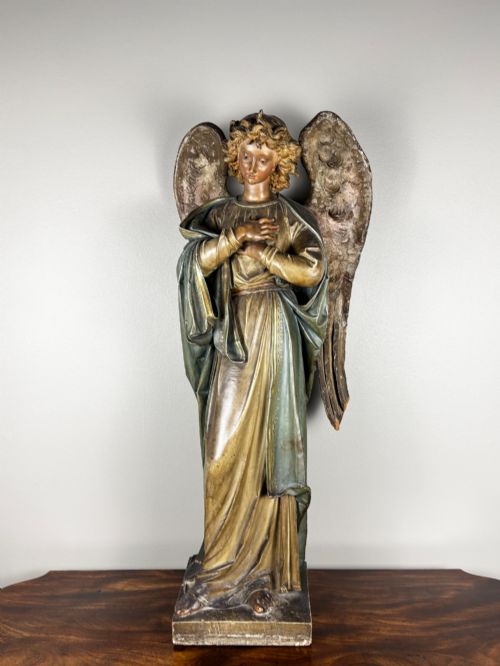
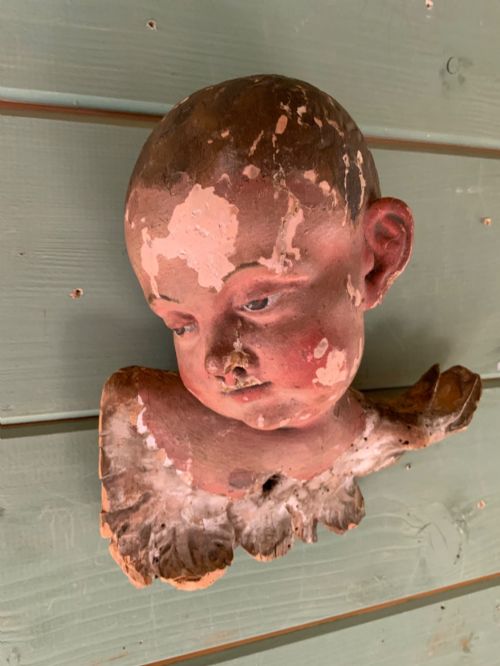
A polychrome wooden cherub is a carved sculptural form depicting a winged celestial infant, finished in painted pigments and often gilded details. These items span the seventeenth, eighteenth, and nineteenth centuries, emerging predominantly from Italian and French traditions.
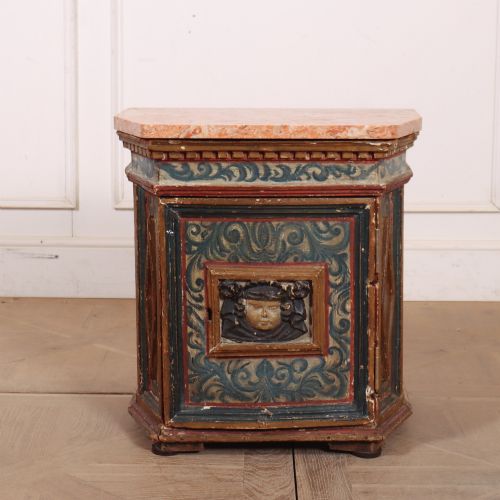
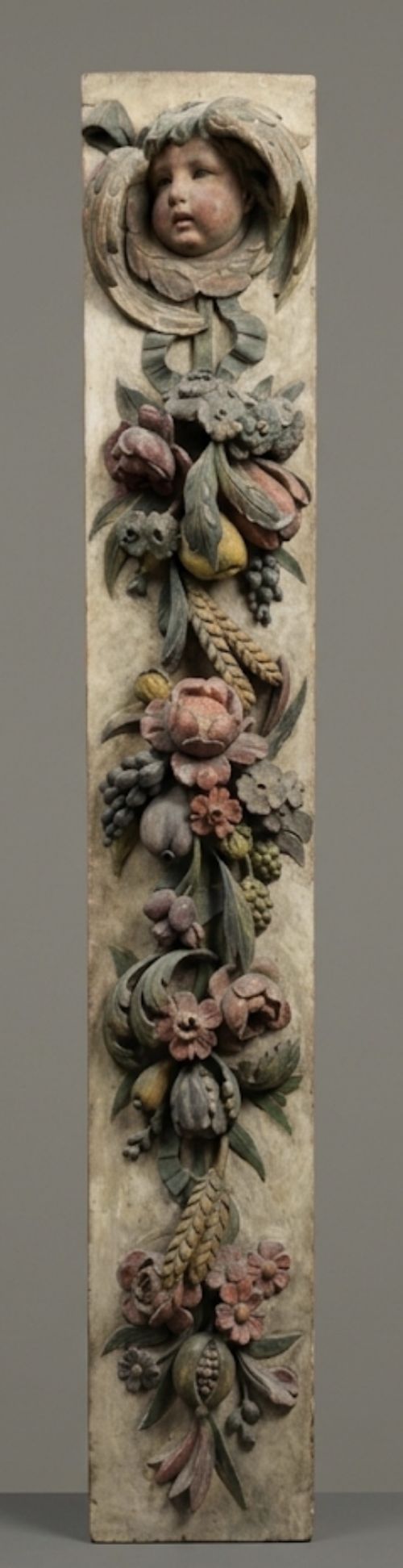
The selections on this page appear as standalone statues, wall relief carvings, architectural panels, and occasional cabinets incorporating carved motifs. Most examples date from the nineteenth century or the eighteenth century, reflecting Baroque and Baroque revival aesthetics.
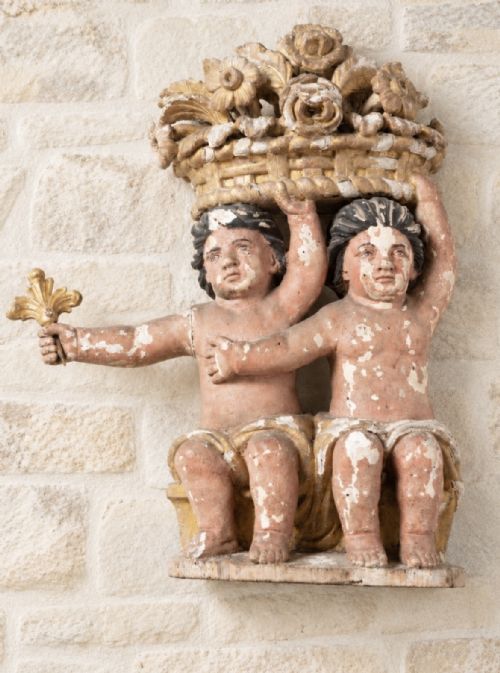
Many items survive as pairs or single figures, sometimes depicted resting on carved clouds or framed within wall panels. They originate largely from religious contexts, altar pieces, and decorative architectural schemes.
How they were made
Artisans carved these figures from solid wood, shaping expressive faces, plump limbs, and feathered wings with chisels and gouges. Wood types varied, providing a stable foundation for subsequent surface decoration.
Makers applied layers of gesso over the timber to smooth the surface before adding polychrome paint and gold leaf. This combination of carved wood, gesso, and pigments created the rich, layered colouration characteristic of the period.
Polychrome Wooden Cherub Retail Price Guide 2026
Typical asking prices for polychrome wooden cherub among the pieces listed under this phrase on Sellingantiques today, from the lower quarter to the upper quarter. They describe what is for sale here now, not the wider market.
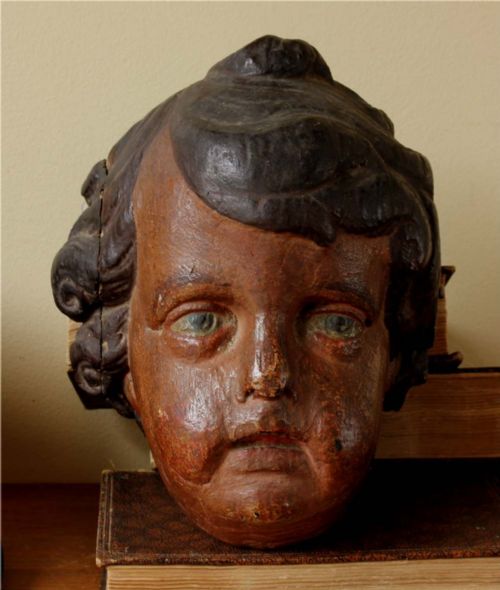
Some cherub heads gaze out with remarkably stern expressions, suggesting divine messengers who mean business.
What varies in quality
Sculptural depth and anatomical definition separate exceptional carvings from simpler decorative works. Master carvers rendered expression, soft flesh, and wing feathers with dynamic naturalism, whereas lesser pieces rely on stiff or repetitive contours.
The survival and integrity of the original surface finish dictate the visual strength of a piece. Finer examples retain rich polychrome paint and gold leaf with harmonious patination, while heavily restored or completely repainted surfaces alter the historic character.
The Polychrome Wooden Cherub Glossary
- Polychrome
- Decoration consisting of several colours applied to wood, stone, or plaster surfaces. This technique gives sculptures and architectural panels their painted vibrancy.
- Putto
- A plump, naked male child figure frequently found in Renaissance and Baroque art. These figures often appear with wings, closely related in imagery to cherubs.
- Gesso
- A plaster mixture applied to wood as a smooth base for painting or gilding. It provides a crisp ground for fine detail work.
- Baroque
- An artistic style prevalent from the seventeenth to the mid-eighteenth century, characterised by dramatic movement and rich detail. Italian and French workshops produced prolific religious carvings in this manner.
- Wall Relief
- A sculptural technique where figures project from a flat background of the same material. Many cherub panels utilise this method for architectural integration.
Polychrome Wooden Cherub: Frequently Asked Questions
What is a polychrome wooden cherub?
A polychrome wooden cherub is a hand-carved sculptural depiction of a winged celestial infant, finished with painted pigments and often gold leaf. These figures served decorative and religious functions in European interiors, particularly in Italy and France.
Most surviving pieces originate from the seventeenth, eighteenth, and nineteenth centuries. They appear as isolated heads, full figures, or integrated elements within larger architectural panels.
How were these carvings used originally?
These wooden figures and panels were primarily created for religious settings, including church altars, chapels, and monastic buildings. They often adorned architectural woodwork, cabinets, or walls as symbols of divine presence.
Over time, many of these elements were detached from their original structures and preserved as independent works of art. Today, collectors display them on walls or mantelpieces to add historic depth to domestic interiors.
How do I tell an eighteenth-century piece from a nineteenth-century one?
Distinguishing between eighteenth-century and nineteenth-century pieces requires close examination of the carving style, tool marks, and pigment ageing. Earlier Baroque carvings often display a more vigorous, organic asymmetry and deeper undercutting in the wood.
Nineteenth-century pieces frequently reflect Revival movements, sometimes adopting cleaner symmetry or differing pigment compositions. Comparing the wear patterns on the gesso and paint layers also aids in assessing age.
How should I care for an antique painted wood carving?
Antique polychrome wood requires stable environmental conditions with minimal fluctuations in temperature and humidity. Keep pieces away from direct sunlight and strong heat sources to prevent the wood from splitting and the paint from flaking.
Dust the surface gently with a soft, dry brush rather than using wet cloths or chemical cleaning agents. Preserving the delicate balance of the original gesso and paint layers ensures the longevity of the object.