




Pocket Watch Chain Tbar
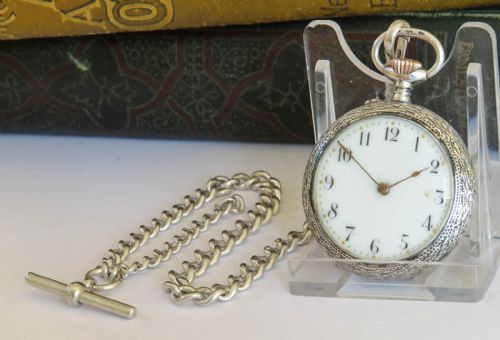
A pocket watch chain tbar secures a gentleman's timepiece to a waistcoat buttonhole, offering tactile weight and classic charm.
Pocket Watch Chain Tbar
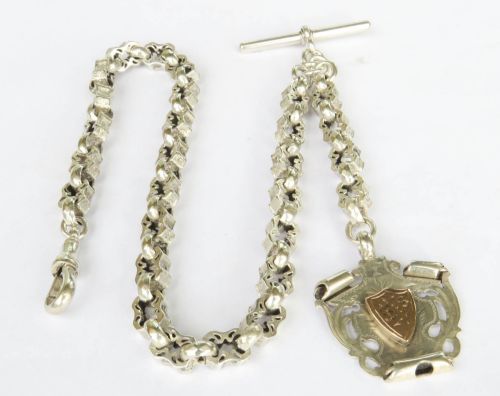
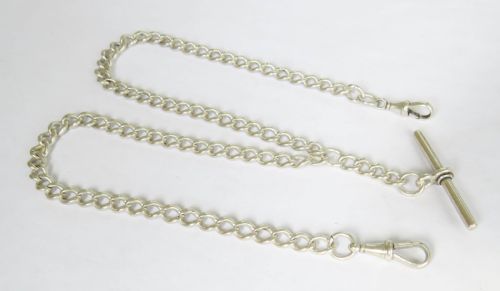
When you search for a pocket watch chain tbar, you encounter wearable history from the Victorian, Edwardian, and Art Deco periods. These pieces comprise watch chains, necklets, and fob accessories designed to secure timepieces or adapt into necklaces.
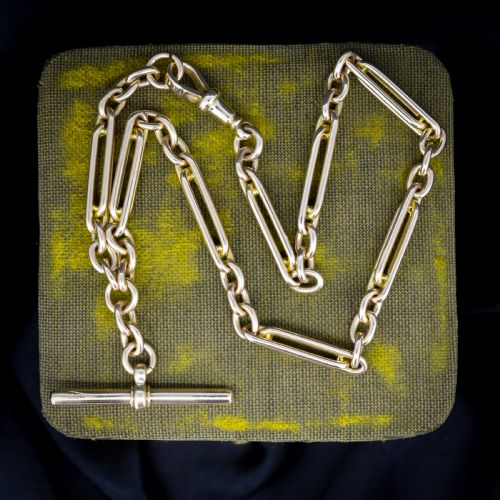
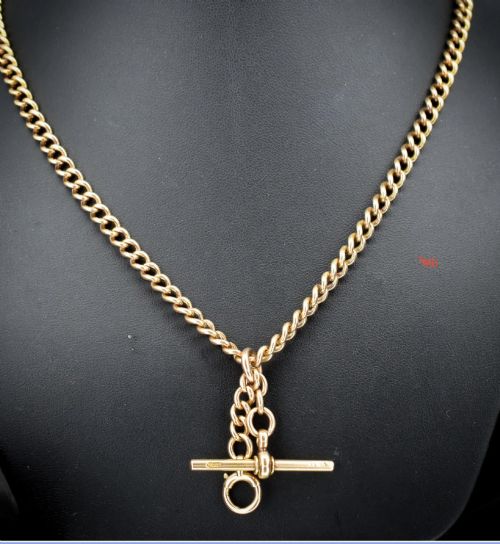
The most common formats on this page are Albert chains featuring dog clips, bolt rings, and the characteristic cross-bar. Materials range widely across sterling silver and gold variants including 9ct and 15ct, often accompanied by enamel or glass details.
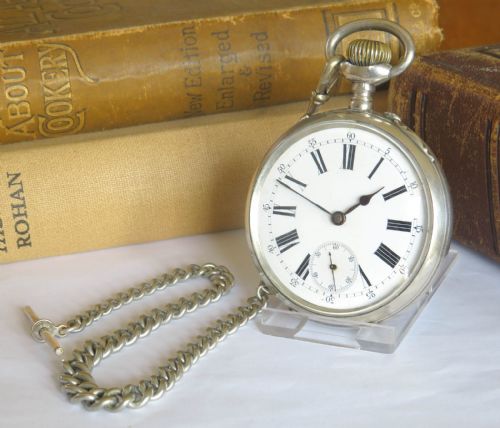
Makers and owners historically utilised these lengths to anchor pocket watches safely within waistcoat pockets. Today, many specimens function interchangeably as substantial necklaces or collectible silver and gold adornments.
Materials and construction
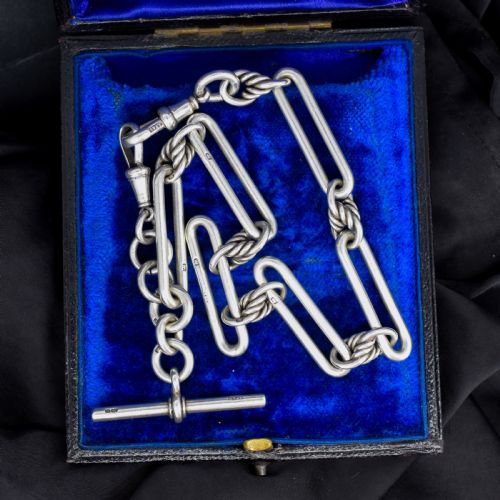
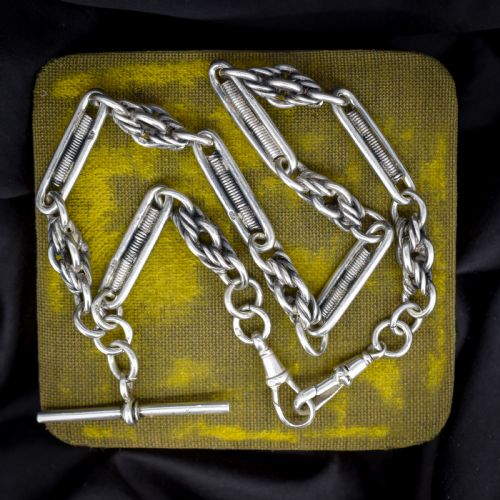
Metals form the core of these items, with sterling silver and yellow gold dominating the record. Goldsmiths and silversmiths shaped these metals into distinct link formations such as trombone links, oval links, and love knots.
Functional hardware such as dog clips, bolt rings, and the eponymous tbar were soldered or swivel-fitted to the primary chain strands. Occasional pieces incorporate glass elements or enamel highlights to add colour and contrast to the precious metal.
Pocket Watch Chain Tbar Retail Price Guide 2026
Typical asking prices for pocket watch chain tbar among the pieces listed under this phrase on Sellingantiques today, from the lower quarter to the upper quarter. They describe what is for sale here now, not the wider market.
Materials documented across the inventory include sterling silver, silver, yellow gold, 9ct gold, 15ct gold, enamel, and glass.
Assessing quality and craftsmanship
Quality rests in the substantial feel of the metal and the precision of the link construction. Trombone and love knot links show varying degrees of hand-finishing and structural heft across the surviving specimens.
Hardware operation dictates the standard of preservation, noting how securely dog clips snap shut and how firmly the tbar connects to its central drop. Heavier gold variants in 15ct present a deeper richness compared to standard silver counterparts.
The Pocket Watch Chain Tbar Glossary
- Albert chain
- A type of pocket watch chain named after Prince Albert, featuring a central tbar and one or more drop chains. These were commonly worn across the front of a waistcoat.
- Tbar
- The short transverse metal bar attached to a watch chain that slips securely through a buttonhole. It anchors the entire chain and attached timepiece.
- Dog clip
- A spring-loaded swivel clasp resembling a hound's clip, utilised for attaching pocket watches or fobs. It allows the attached item to rotate freely without twisting the chain links.
- Trombone link
- An elongated rectangular metal link with rounded ends, resembling the slide of a musical instrument. This link style is frequently found in Victorian and Edwardian gold and silver chains.
- Bolt ring
- A circular hollow ring fitted with a spring-loaded internal bolt operated by a small protruding knob. It serves as a secure fastening mechanism for pendants and chains.
Pocket Watch Chain Tbar: Frequently Asked Questions
How do I wear a pocket watch chain tbar today?
You can thread the tbar through a buttonhole on a waistcoat or jacket, letting the chain drape across the front. Alternatively, many owners remove the watch and wear the chain directly around the neck as a short necklace.
Secure any dog clips to one another or to built-in jump rings to alter the length and appearance. This allows Victorian and Edwardian pieces to transition smoothly into contemporary wardrobes.
What is the difference between silver and gold chains?
Silver chains typically consist of sterling silver or standard silver alloy, often bearing hallmarks from assay offices like Chester. Gold chains utilise varying purities, including 9ct and 15ct yellow gold, which provide a warmer tone and heavier intrinsic presence.
Both metals served similar practical functions in the nineteenth and early twentieth centuries. Choice between them relies entirely on personal preference for colour and metal weight.
How can I tell the period of a chain?
Dating relies on link styles such as trombone or love knot formations, alongside associated hardware like dog clips and bolt rings. Victorian and Edwardian examples often feature robust links and detailed hallmarks.
Later pieces extending into the 1920s and 1930s sometimes accompany stem-winding pocket watches like those by Cyma. Examining any stamped assay marks or date letters provides the most exact chronological placement.
Can these chains hold modern items?
The dog clips and bolt rings on these chains are fully functional and easily accommodate small modern pendants, charms, or pocket watches. Their sturdy construction in silver or gold ensures daily security when worn.
Ensure the weight of your item matches the heft of the chain to maintain balance. Lighter 14-inch chains suit delicate fobs, whereas heavier trombone links support larger timepieces.