

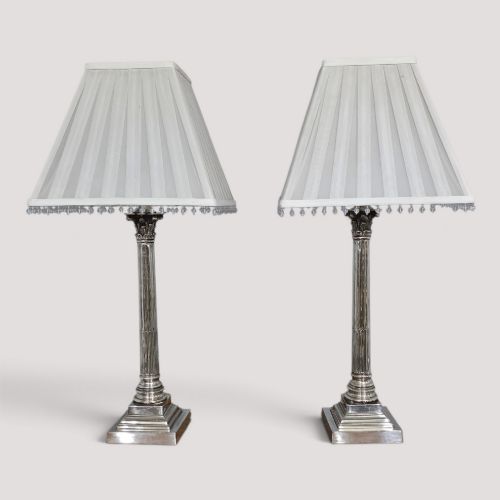
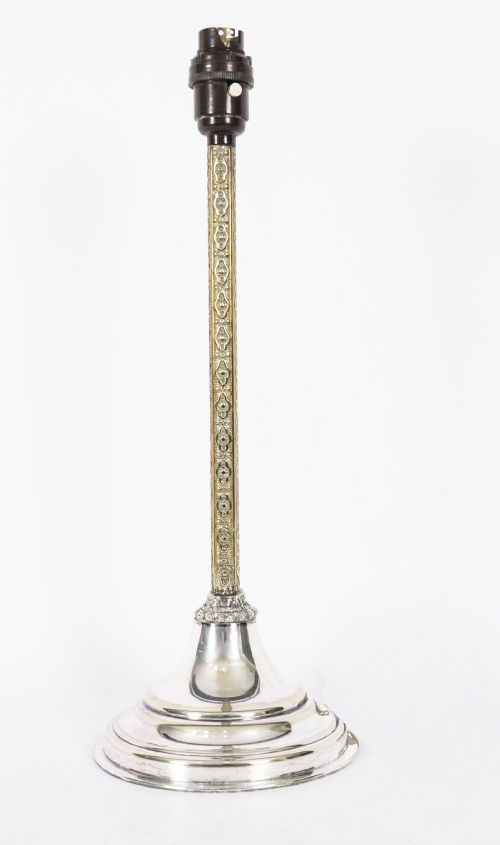
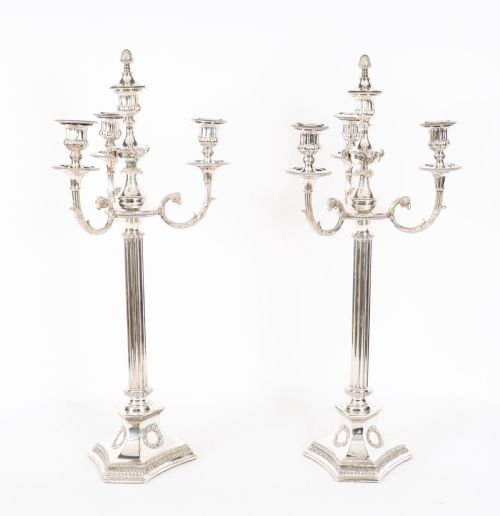
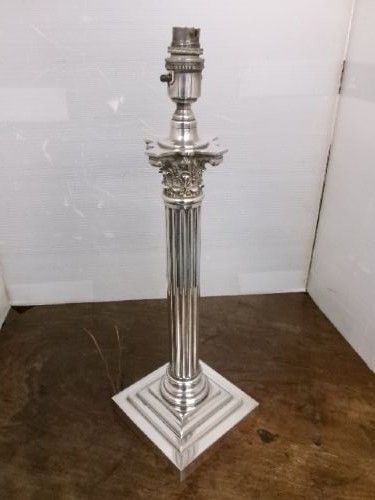
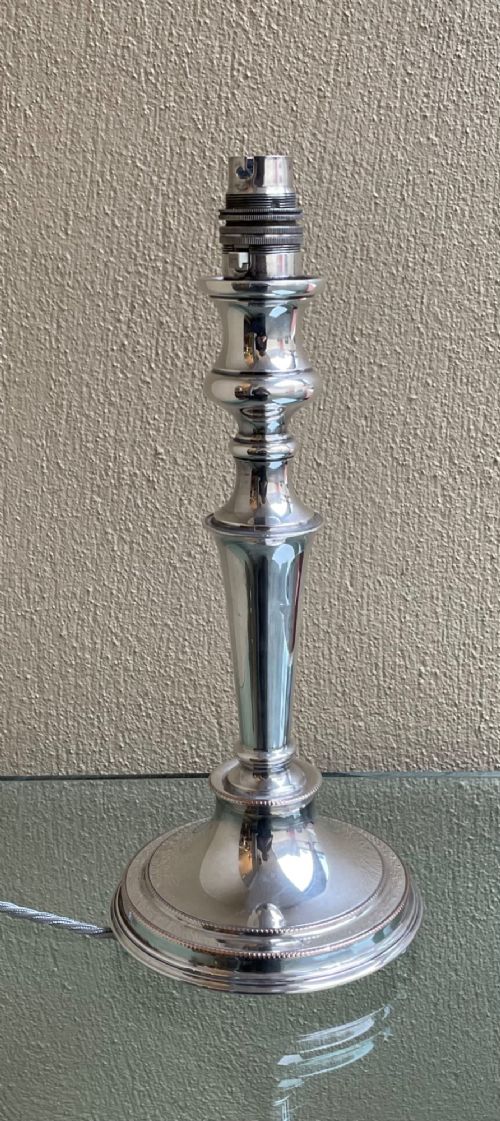
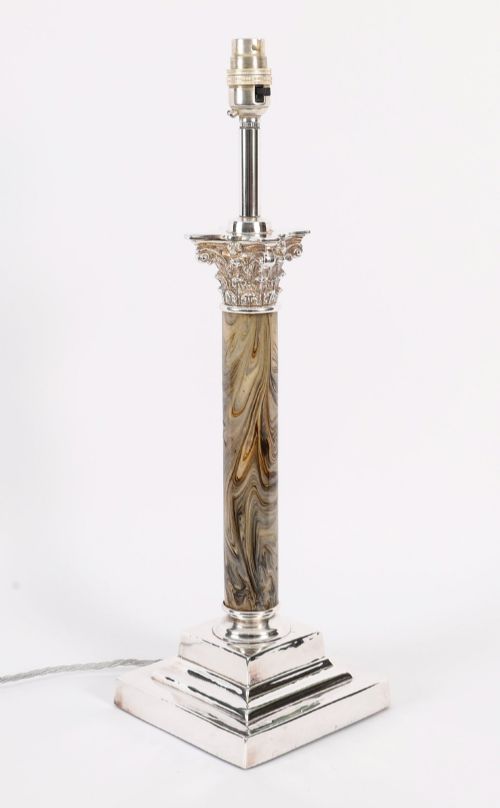
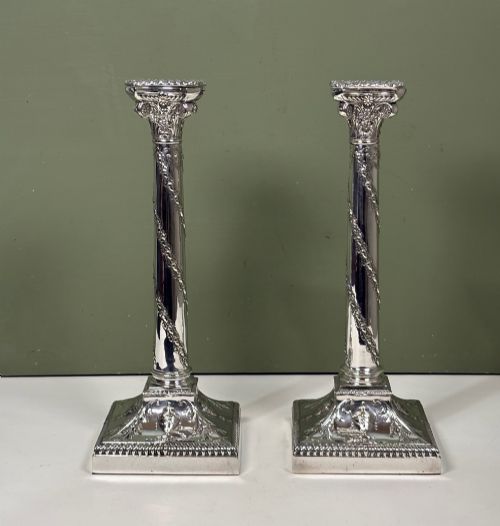
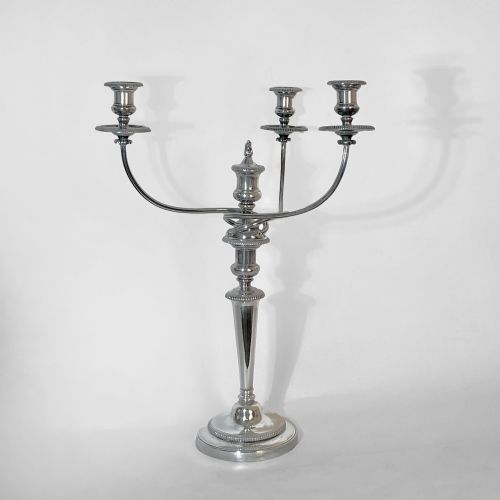
Plated Table Lights
Plated table lights provide illumination and ornamental focal points, ranging from slender candlesticks to substantial multi-branch candelabra.
Plated Table Lights
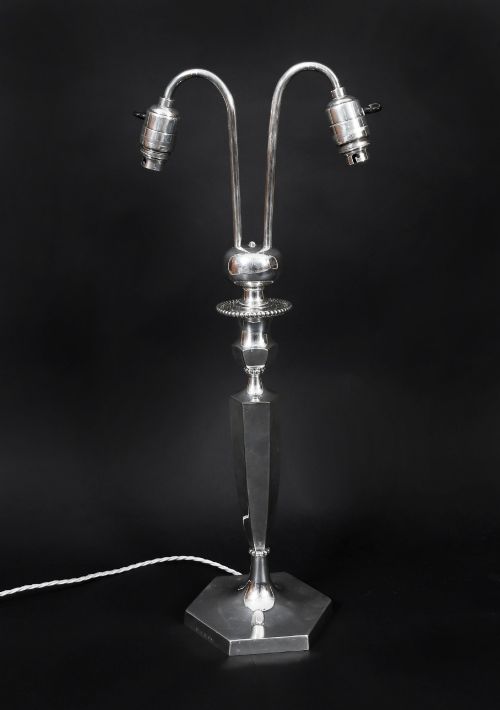
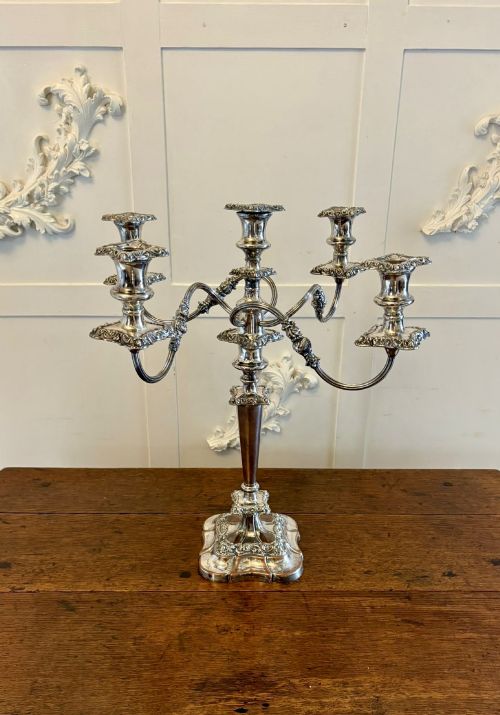
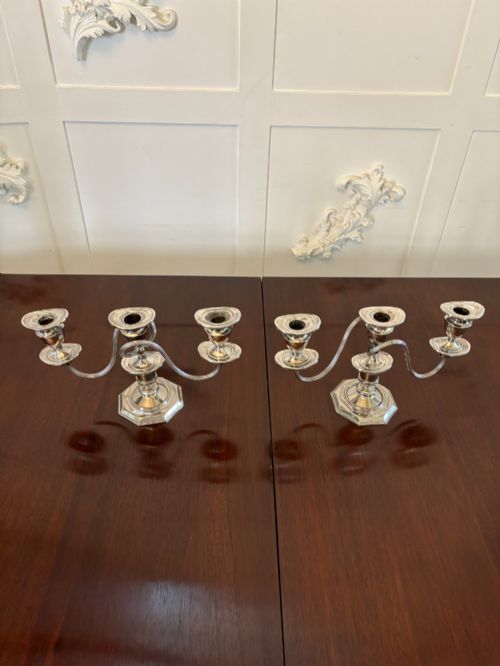
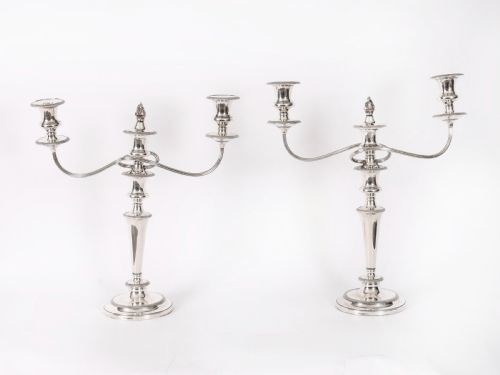
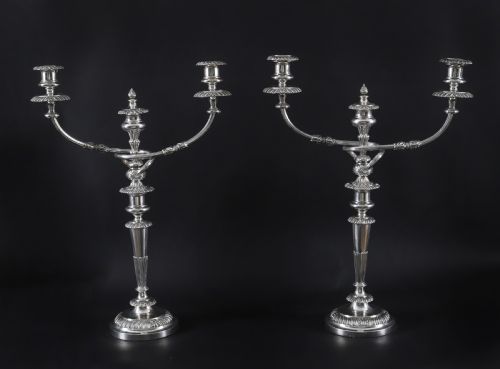
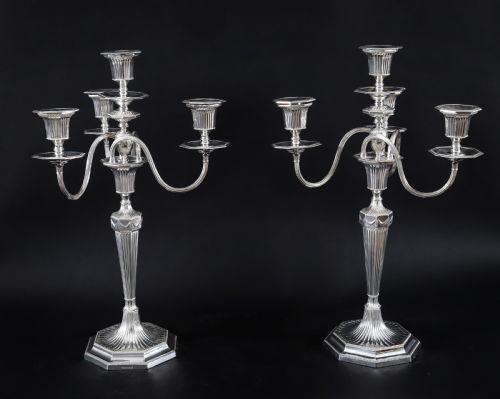
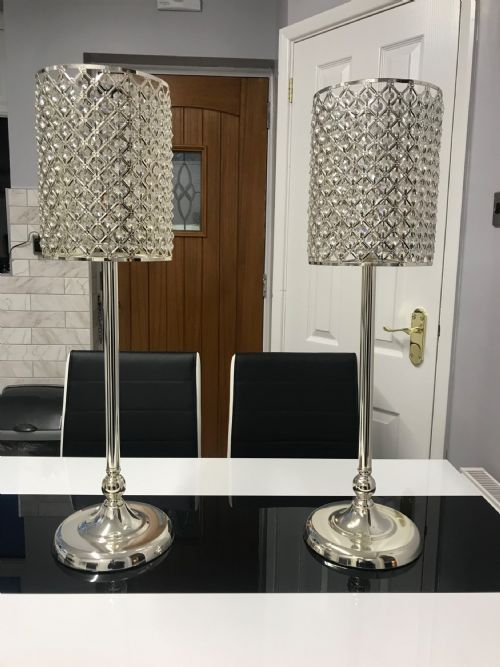
When searching for plated table lights, a buyer encounters a diverse selection of illuminating objects designed for domestic interiors over the eighteenth, nineteenth and early twentieth centuries. These pieces encompass table lamps, standard candlesticks, elaborate candelabra, multi-light centrepieces, and specialist candle lamps.
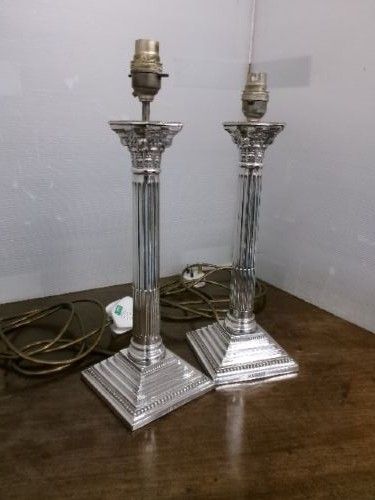
The most common examples on this page date from the Victorian and Edwardian eras, alongside Georgian and Art Deco periods. Forms range from classical Corinthian columns and lyre-shaped candelabra to heavy dining table centrepieces complete with detachable sconces.
How they were made
Maker workshops utilised base metal, brass, copper, and nickel as foundational materials, applying silver plate or Old Sheffield plate finishes across the surface. Many items incorporate glass components, Bohemian crystal, or fabric elements.
Techniques involve casting, parcel gilt application, and mechanical construction such as telescopic shafts and gimbal mountings. Individual pieces feature engraved inscriptions, lion's paw feet, and applied ornamentation executed by silversmiths.
Plated Table Lights Retail Price Guide 2026
Typical asking prices for plated table lights among the pieces listed under this phrase on Sellingantiques today, from the lower quarter to the upper quarter. They describe what is for sale here now, not the wider market.
Some nineteenth-century vessels double as palm tree dishes, bringing an unexpected botanical theme to the dining table.
What varies in quality
Quality differentiates by the crispness of cast detail in the ornamentation, such as acanthus leaves on Corinthian capitals or figural motifs on heavy dining branches. Heavier gauge base metals and substantial silver plating layers dictate longevity and tactile weight.
Maker attribution elevates standing, with notable firms applying distinct stamps and superior chasing work to their items.
Elkington·Mappin & Webb·Hawksworth Eyre·Garrard & Co·Matthew Boulton·Smith & Sissons & Co·Goldsmiths and Silversmiths Company
The Plated Table Lights Glossary
- Old Sheffield plate
- A fusion technique where a layer of silver is fused to a copper base before rolling into sheets. This method creates distinctive edge seams visible on older items.
- EPNS
- Electroplated nickel silver, a manufacturing process introduced in the nineteenth century using an electrical current to apply silver to a base metal alloy.
- Corinthian column
- A classical architectural column form frequently adapted for table lamp shafts, featuring fluted pillars and ornate acanthus leaf capitals.
- Detachable sconce
- A removable drip pan fitted into the top of a candlestick or candelabra arm to catch melting wax and ease cleaning.
- Gimbal lamp
- A pivoted ring suspension design allowing the light to remain level regardless of movement, commonly found in maritime contexts.
Plated Table Lights: Frequently Asked Questions
How do I identify Old Sheffield plate?
Old Sheffield plate involves fusing a thin sheet of silver to a copper core prior to forming the object, rather than electroplating.
Closer inspection often reveals thin lines of copper showing through where the silver layer has worn away along high points or edges.
Can antique table lamps be used safely today?
Many antique table lights originating as oil lamps or candlesticks have been converted to electricity for modern household use.
Rewired fixtures should be checked by a qualified electrician to ensure components meet current safety standards.
What periods do these lights cover?
The selection spans from the late eighteenth century through the Georgian and Regency periods, continuing into the Victorian, Edwardian, and Art Deco eras.
Design styles shift from classical Neoclassical revival columns to ornate Victorian centrepieces and streamlined 1920s forms.