






Plated Metal Lamp
A plated metal lamp brings a gleam of polished silver plate, brass or nickel into a room, offering both useful light and period character.
Plated Metal Lamp
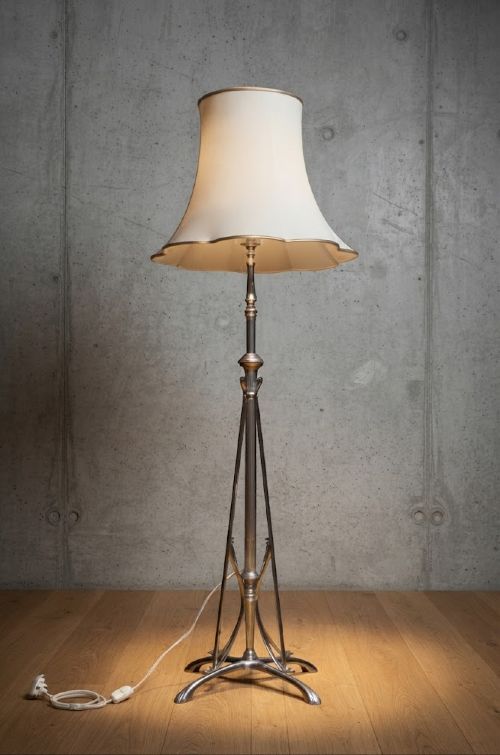
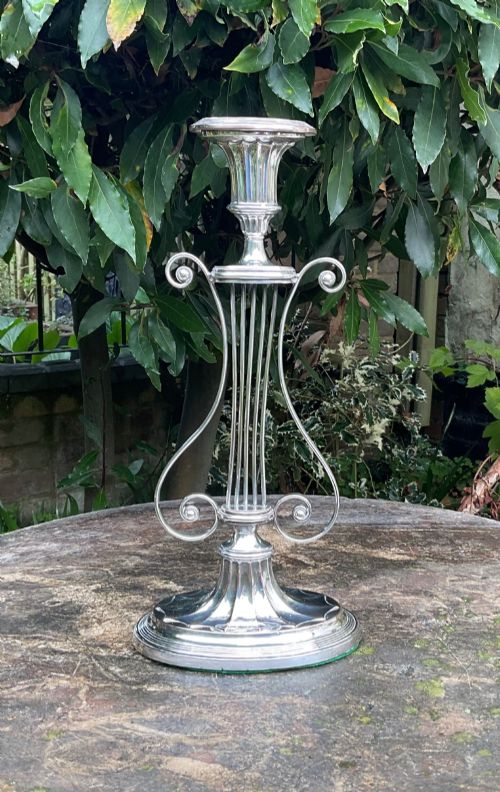
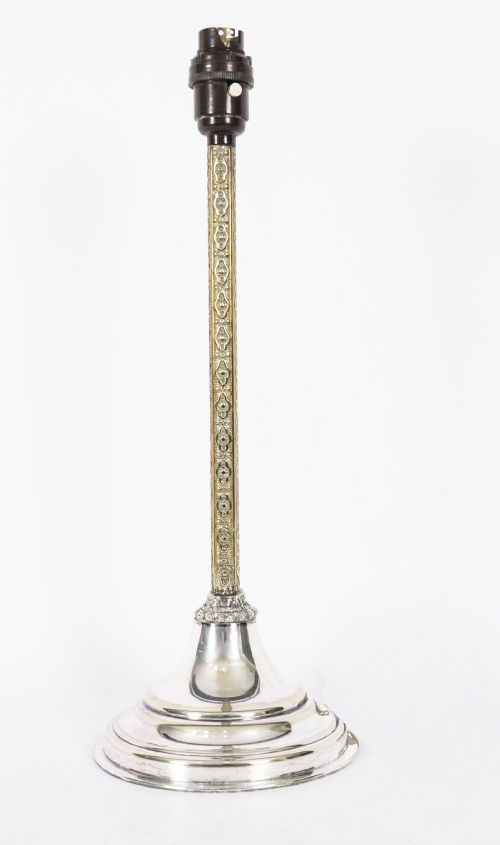
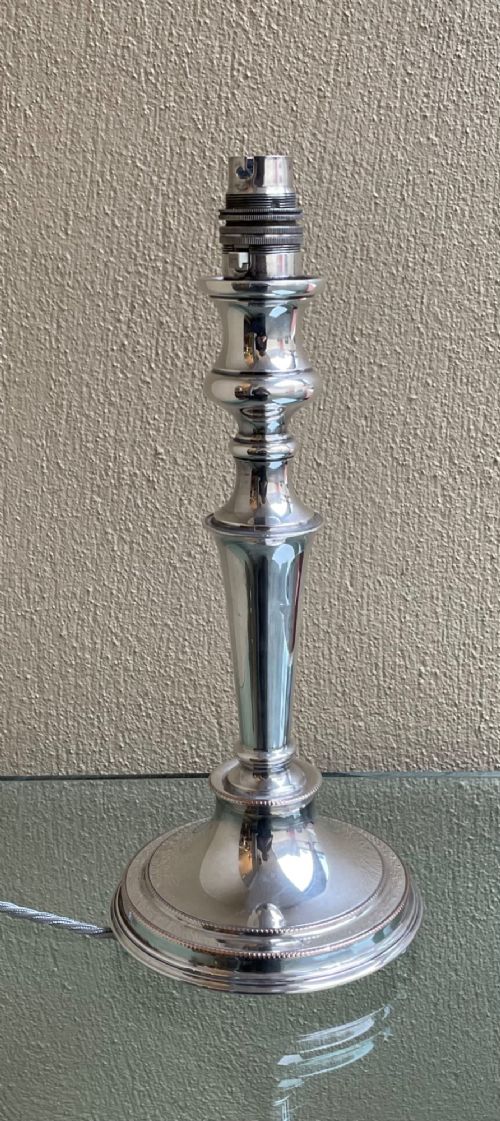
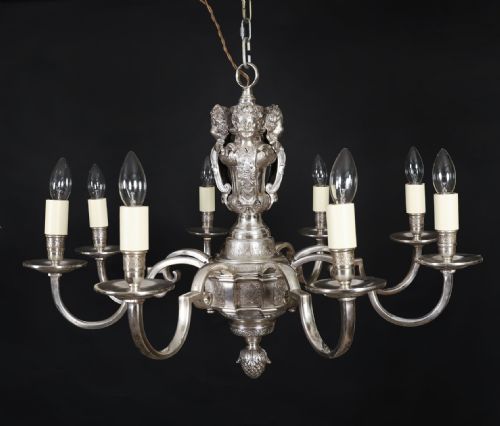
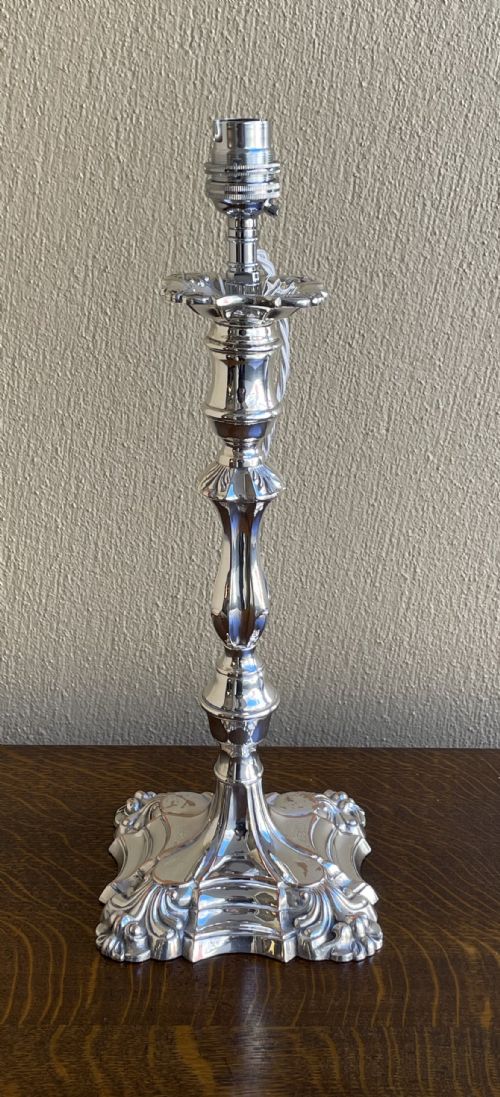
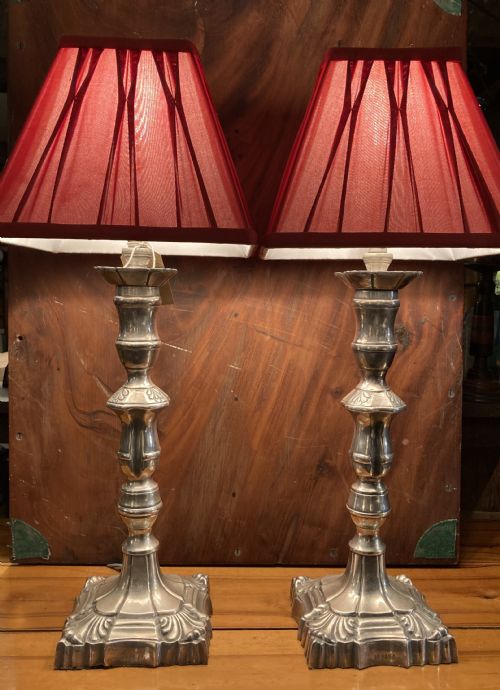
A plated metal lamp is a domestic lighting fixture surfaced in silver plate or nickel upon a base metal foundation, designed for desks, tables or floors. When searching for a plated metal lamp, buyers encounter various forms spanning from the late nineteenth century into the twentieth century, including table lamps, standard lamps, chandeliers, desk lamps and candle lamps.
The pieces on offer span the Victorian, Edwardian and George V eras, reaching into the nineteen-twenties with diverse influences such as neoclassical designs and French ecclesiastical styles. Table lamps dominate the selection, often taking classic round bases or more decorative sculptural forms like palm trees, alongside specialised reading and candle lamps.
How they were made
These lamps rely on substantial metal foundations such as brass, steel and general base metals, which receive a durable coating of silver plate or nickel plating to achieve a bright, reflective surface. Some pieces incorporate parcel gilt highlights or contrasting materials like bakelite components and fabric shades to complete the construction.
Construction techniques from the nineteenth and early twentieth centuries prioritized sturdy assembly, seen in weighty round bases and robust desk or standard lamp skeletons. Plating processes bonded the precious or protective metal layer securely to the underlying structure, creating durable items meant for daily interior illumination.
Plated Metal Lamp Retail Price Guide 2026
Typical asking prices for plated metal lamp among the pieces listed under this phrase on Sellingantiques today, from the lower quarter to the upper quarter. They describe what is for sale here now, not the wider market.
Listings feature periods spanning from 1880 through the Edwardian era and the 1920s, utilising silver plate, nickel plating, brass, steel and bakelite.
What varies in quality
Quality in these lamps rests on the crispness of the casting and the retention of the original silver plate or nickel plating across the metal surface. Finer examples display well-preserved plating without excessive thinning, alongside balanced proportions and deliberate stylistic details rather than generic mass production.
The integrity of the construction, from heavy weighted bases to well-fitted collars and switches, distinguishes superior pieces from simpler utilitarian items. The presence of identifiable maker marks or specific period stylistic commitments further elevates a piece within the range.
Mappin & Webb·Veritas Lamp Works
The Plated Metal Lamp Glossary
- Silver Plate
- A thin layer of silver bonded to a base metal such as copper or brass. This technique allowed makers to achieve the appearance of solid silver at a lower cost.
- Nickel Plating
- An electrolytic coating of nickel applied to steel or brass components. It provides a durable, corrosion-resistant finish with a bright, slightly steel-grey lustre.
- Parcel Gilt
- A decorative treatment where specific portions of an object are gilded with gold leaf or wash while the remaining surface retains its silver or base metal finish.
- Bakelite
- An early form of synthetic thermosetting plastic. It frequently appears in switches, plugs or structural details on twentieth-century lighting.
- Neoclassical
- A style drawing inspiration from classical antiquity, often featuring symmetrical forms, urn motifs and restrained ornamentation.
Plated Metal Lamp: Frequently Asked Questions
What is a plated metal lamp?
A plated metal lamp is a lighting fixture constructed from a base metal and coated with a layer of silver plate or nickel. These lamps were produced in various forms for tables, desks and floors during the nineteenth and twentieth centuries.
They combine structural metalwork with reflective surfaces to brighten domestic and institutional interiors.
Are these lamps safe to use today?
Many vintage lamps require rewiring and modern safety checks to meet current electrical standards before regular domestic use. Professional assessment ensures that old wiring, lamp holders and plugs function correctly and safely.
Retaining the original metal body while updating the internal wiring is a common practice for modern owners.
Where were these lamps used originally?
Plated metal lamps served in a variety of settings, from grand Edwardian drawing rooms to offices and ecclesiastical spaces. Travelling reading lamps and desk lamps were designed for focused task lighting in studies and cabins.
Larger standard lamps and chandeliers provided ambient illumination in principal living areas.