




Plaster Wall Hanging
These plaster wall hanging pieces bring sculptural depth and classical presence to a room, offering tactile relief work and moulded detail.
Plaster Wall Hanging
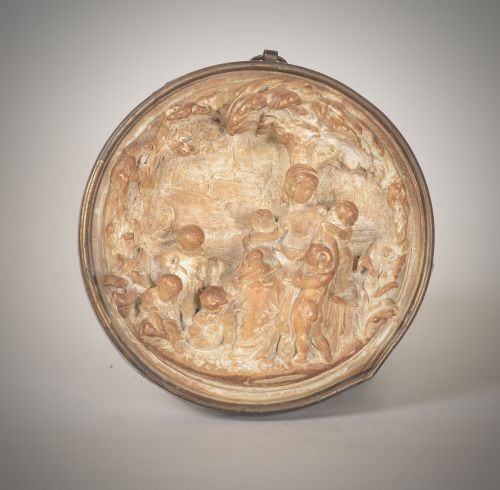
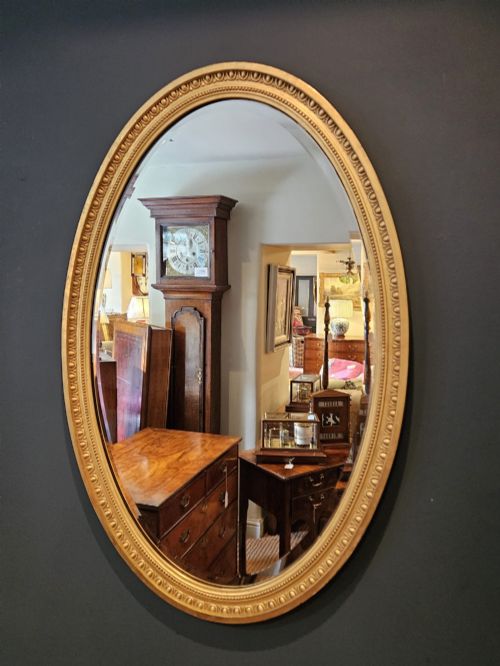
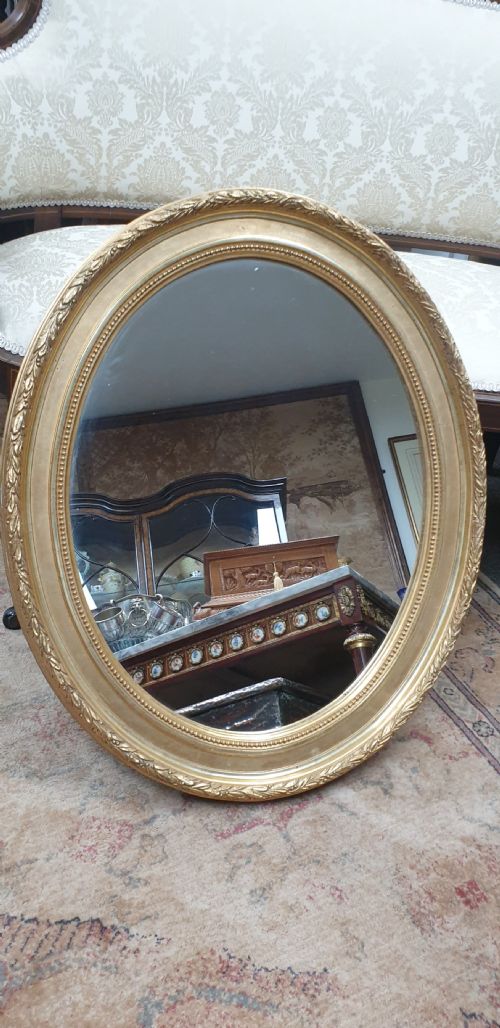
When you search for plaster wall hanging pieces, you encounter moulded architectural items, decorative panels, and framed mirrors designed to mount directly onto domestic walls. These works range from substantial Victorian oval mirrors to small relief panels and sculptural wall brackets.
The pieces on this page span the nineteenth century, nineteen hundred, the Edwardian period, and the nineteen thirties. You will find items influenced by French country and chateau aesthetics, as well as classical revival and Grand Tour traditions.
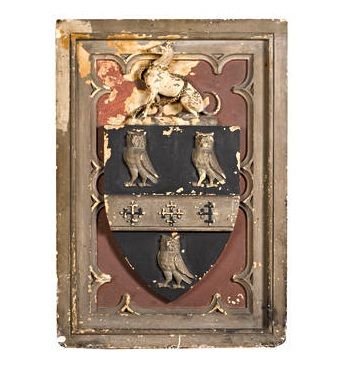
Typical formats include wall plaques, wall reliefs, gold wall masks, and armorial panels. Many combine moulded plaster with wood frames, paint, or giltwood.
How they were made
Makers formed these items using plaster and gesso poured or pressed into moulds to capture sharp relief detail. Artisans often reinforced the core structure with wood backings, particularly for large mirror frames and heavy wall brackets.
Surface decoration involved layers of paint, bronze finishes, gold leaf, and giltwood applications. Glass was then fitted into the rebate of framed mirror pieces to complete the reflective surface.
Plaster Wall Hanging Retail Price Guide 2026
Typical asking prices for plaster wall hanging among the pieces listed under this phrase on Sellingantiques today, from the lower quarter to the upper quarter. They describe what is for sale here now, not the wider market.
Bacchus watches the room with gilded detachment, proving that ancient wine gods make surprisingly agreeable hall companions.
What varies in quality
The definition and crispness of the moulded relief define the upper tier of these works, where details remain sharp and deep. Softer or shallower modelling indicates secondary production where moulds became worn or simplified.
The quality of the surface finish also sets examples apart, particularly the handling of gilding, paintwork, and original gesso. Superior pieces show thoughtful application of gold leaf and harmonious ageing across the plaster and frame.
The Plaster Wall Hanging Glossary
- Gesso
- A plaster-based mixture used as a smooth base for gilding or painting. It is applied to wood or plaster mouldings before being gilt with gold leaf.
- Giltwood
- Wood carved and covered with gold leaf or metal leaf. It frequently frames nineteenth century mirrors and decorative wall pieces.
- Relief
- Sculptural work where figures or designs project from a flat background. Plaster wall hanging pieces often utilise high relief to create shadow and depth.
- Armorial panel
- A decorative plaque displaying a coat of arms or heraldic insignia. These are commonly rendered in painted plaster during the nineteenth century.
- Grand Tour
- A cultural journey undertaken by wealthy young Europeans to see classical antiquities. Plaster reliefs purchased on these travels often replicated ancient sculptures.
Plaster Wall Hanging: Frequently Asked Questions
How should I clean antique plaster and gilt surfaces?
Dust these pieces gently with a dry, soft brush or microfiber cloth to remove surface particles. Avoid liquid cleaners and damp cloths, which can damage aged gesso and gold leaf.
Moisture penetrates unsealed plaster and dissolves water-soluble historical adhesives beneath the gilding.
Are nineteenth century plaster reliefs fragile?
Nineteenth century plaster is susceptible to chipping and cracking if subjected to knocks or sudden temperature changes. Careful handling during movement is essential to preserve protruding relief details.
Many surviving pieces feature minor historical repairs to the gesso or plaster matrix, which remain normal for their age.
How do I date a plaster wall mirror?
Dating relies on examining the construction of the wooden backing, the composition of the gesso, and the style of the frame moulding. Victorian and Edwardian pieces often display specific decorative motifs associated with classical revival aesthetics.
Inspect the fixings and the backboards for signs of period manufacturing techniques and materials.