

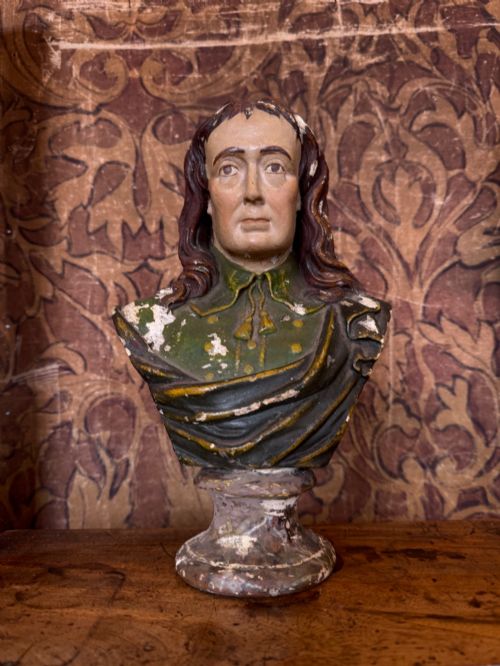
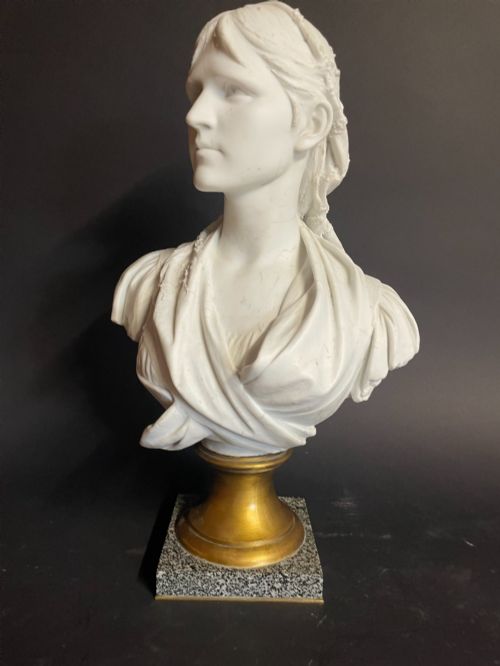
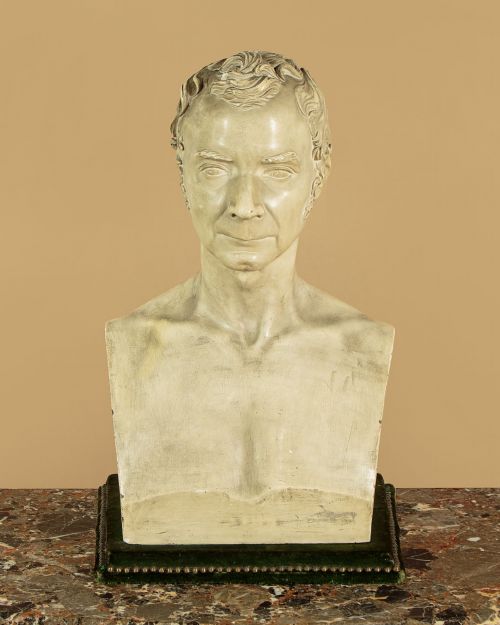
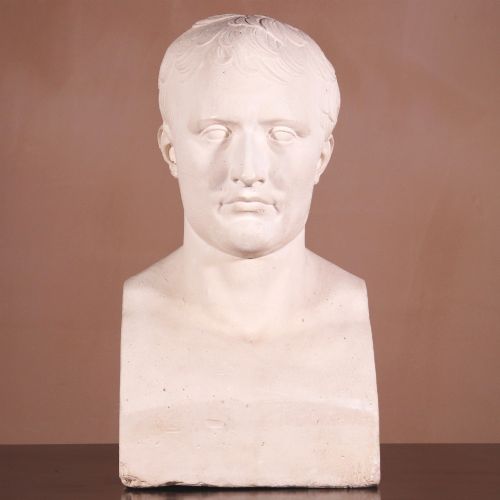



Plaster Portrait Head
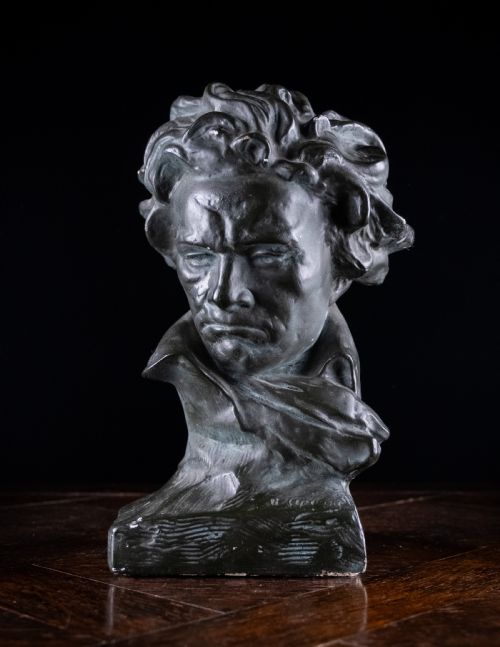
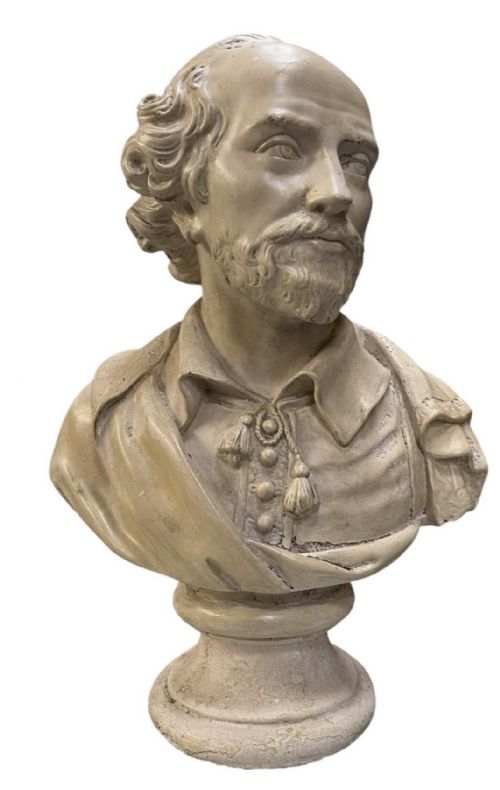
These plaster portrait head examples capture historical figures and anonymous subjects with striking realism, offering an accessible route into classical and antique sculpture.
Plaster Portrait Head
A plaster portrait head typically depicts classical heroes, historical figures, or notable gentlemen from the nineteenth and early twentieth centuries. These pieces translate stone and bronze traditions into more fluid mediums suitable for library shelves and domestic display.
The selections span distinct stylistic eras, including neoclassical, Victorian, Edwardian, and Art Deco periods. Many originate from Italian workshops or English studios, reflecting a widespread nineteenth-century enthusiasm for classical antiquity and literary icons.
Buyers frequently encounter busts mounted on wooden brackets or integrated stands, often representing subjects like Beethoven, Shakespeare, or Roman emperors. These forms range from intimate cabinet studies to substantial library pieces designed for prominent interior placement.
Materials and construction techniques
Plaster serves as the primary medium, sometimes enhanced with paint, verdigris patina, or simulated stone finishes to mimic marble and bronze. Makers occasionally utilised terracotta or incorporated wood, brass, and granite elements for structural support and mounting.
Plaster Portrait Head Retail Price Guide 2026
Typical asking prices for plaster portrait head among the pieces listed under this phrase on Sellingantiques today, from the lower quarter to the upper quarter. They describe what is for sale here now, not the wider market.
Listings feature plaster, terracotta, marble, brass, and granite materials across neoclassical, Victorian, Edwardian, and Art Deco styles.
Distinctions in craftsmanship and finish
The application of surface finishes significantly impacts the visual depth, ranging from simple matte paint to sophisticated patination that emulates aged stone or bronze. Integrated stands, original wooden brackets, and named subjects by known modellers further distinguish exceptional works from standard decorative casts.
Raffaelo Monti·Antonio Rossellino·Bohumil Rezl
The Plaster Portrait Head Glossary
- Plaster
- A workable composition material cast in moulds to create detailed three-dimensional sculptures. It accepts paint and surface patination readily to imitate heavier materials.
- Patination
- The surface ageing, coloration, or applied finish that gives plaster the appearance of weathered stone, bronze, or aged metal. This treatment enhances the visual depth of the contours.
- Neoclassical
- An artistic movement drawing inspiration from the classical art and culture of ancient Greece and Rome. Works in this style frequently depict philosophers, emperors, and mythological subjects.
- Bust
- A sculpted representation of a person's head, shoulders, and upper chest. This format allows portraiture to focus intensely on facial expression and character.
Plaster Portrait Head: Frequently Asked Questions
Where were these portrait heads displayed originally?
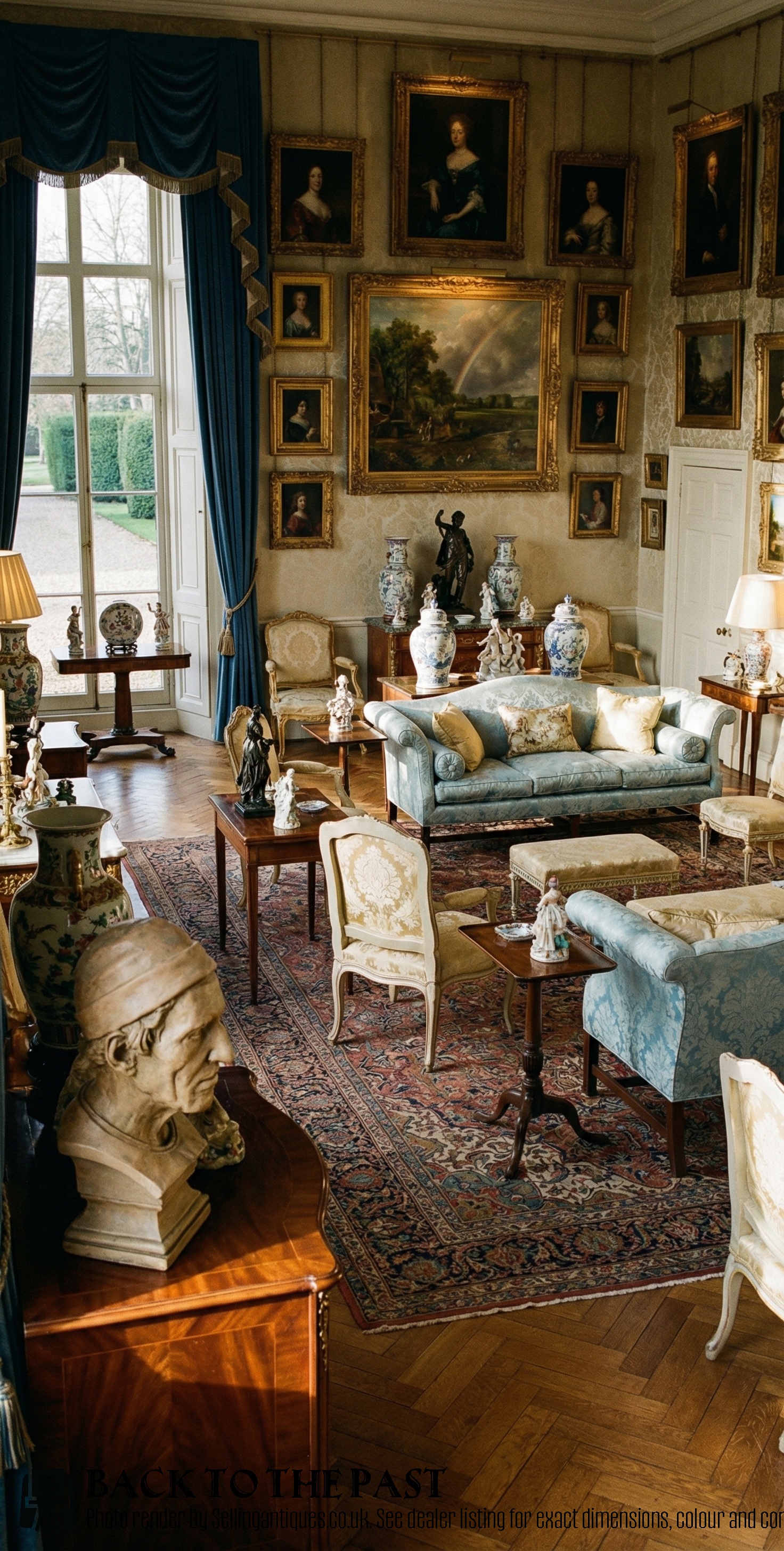
Nineteenth-century libraries, studies, and drawing rooms frequently housed these portrait heads to demonstrate the owner's classical education and cultural interests. Larger examples stood on columns or dedicated brackets, while smaller studies sat upon bookcases.
Libraries often featured literary figures and philosophers like Shakespeare or Homer to inspire intellectual pursuits. Domestic spaces similarly showcased classical emperors and composers as symbols of refined taste.
Are these pieces solid plaster?
Many larger antique busts are cast with hollow interiors to reduce weight, sometimes reinforced with internal wire or wooden armatures. Solid plaster appears more frequently in smaller cabinet studies and intimate portrait heads.
Understanding the construction helps determine the weight distribution when placing the sculpture on shelves or brackets. Hollow castings require careful placement to ensure the mounting points remain secure.
How can I identify the subject of a bust?
Inscribed names on the plinth, reverse, or supporting bracket often identify the historical figure, author, or classical emperor depicted. Costume details, such as Roman armour or Victorian neckwear, provide further chronological context.
Stylistic cues and comparisons to known portraiture traditions help link anonymous subjects to specific eras. Makers sometimes titled their works to honour contemporary musicians, scientists, or literary icons.