
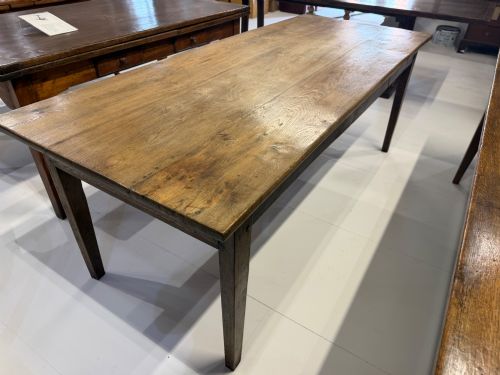
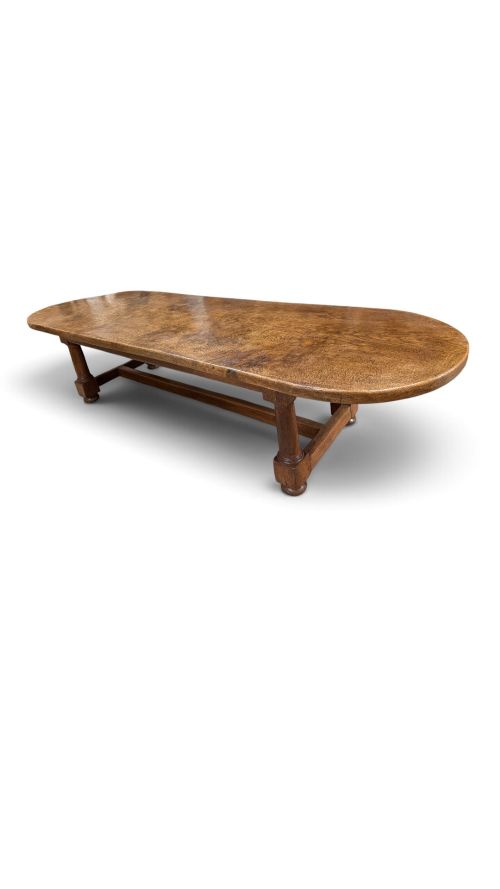
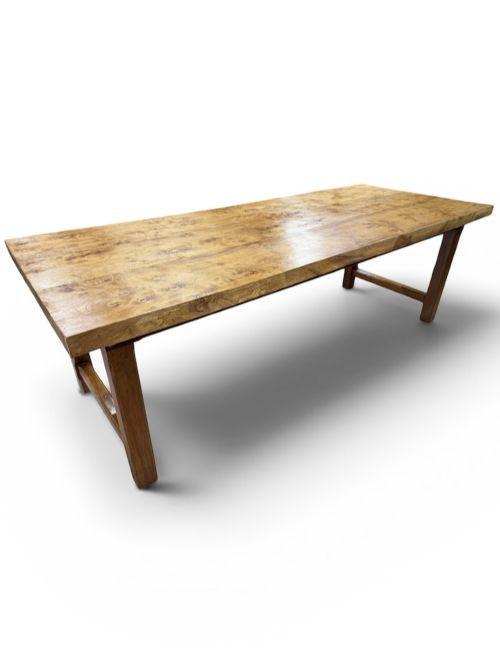
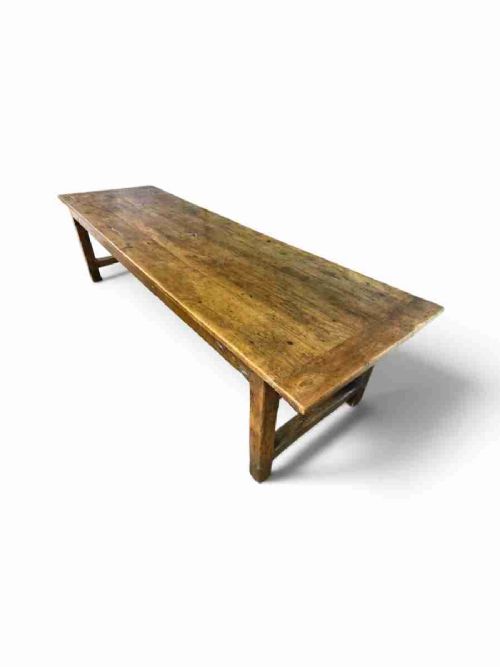
Planked Oak Dining Table
A genuine planked oak dining table brings centuries of honest utility and timber character straight to the heart of the home.
Planked Oak Dining Table
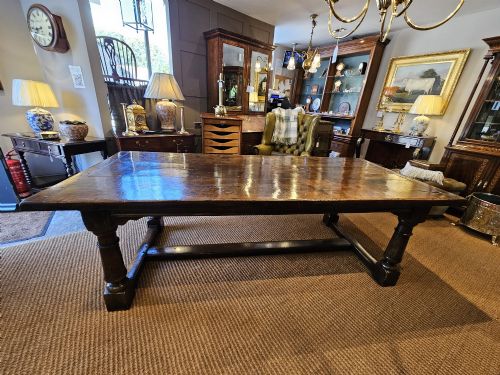
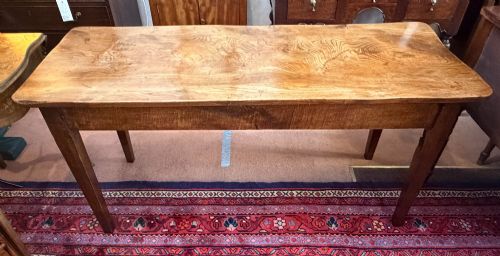
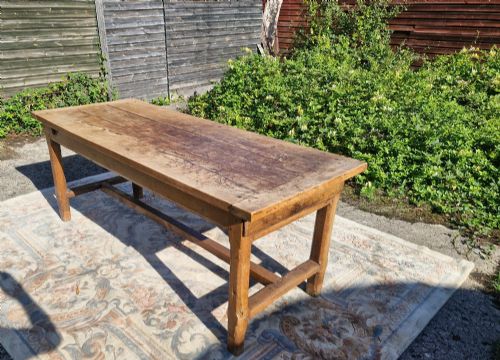
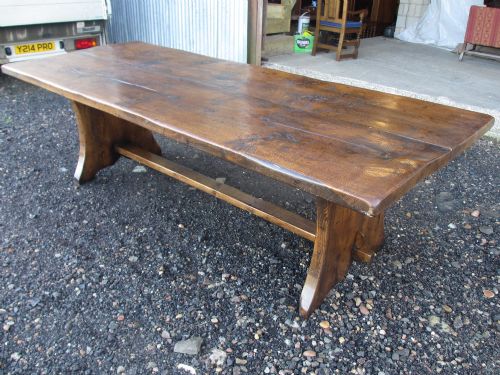
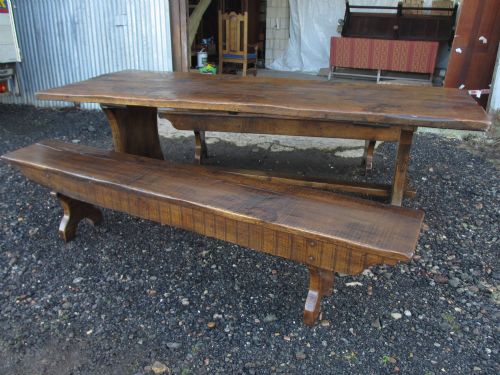
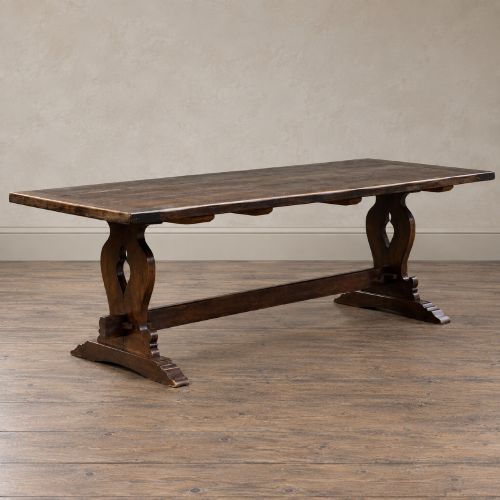
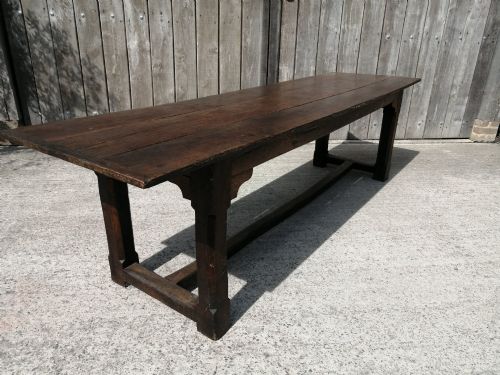
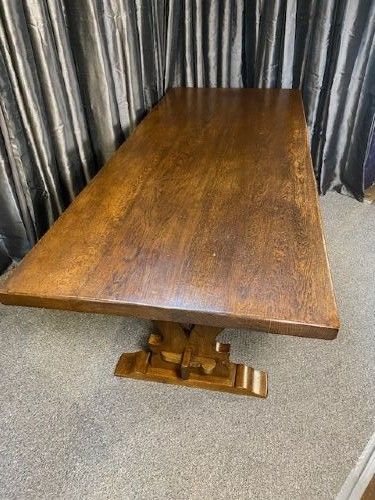
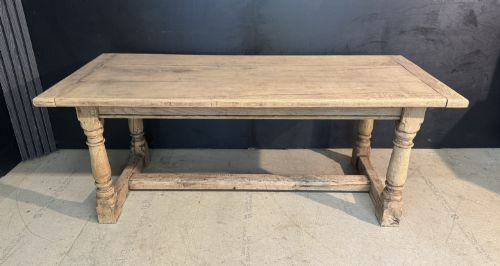
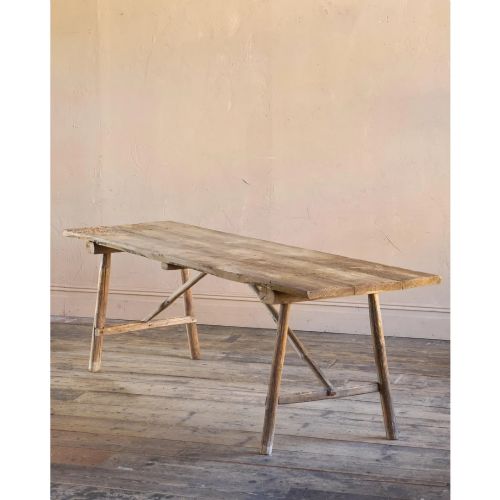
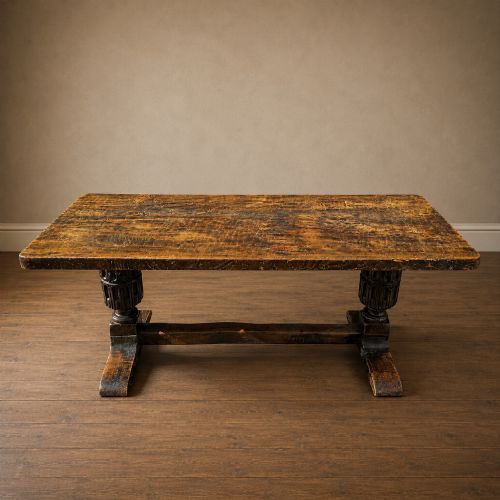
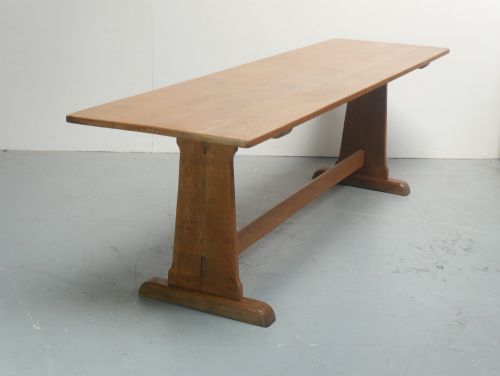
A planked oak dining table is a heavy, utilitarian surface designed for communal meals, featuring boards joined side by side to form the top. When searching for a planked oak dining table, buyers encounter formats ranging from seventeenth-century refectory designs to nineteenth-century farmhouse styles and early twentieth-century interpretations.
The pieces seen here span periods from the seventeenth century through the Georgian era to the Edwardian period and the nineteen-twenties, incorporating styles such as rustic country, French provincial and Jacobean revival. Most examples on this page are sturdy refectory or farmhouse forms built for heavy daily use.
Makers and workshops utilised solid timber construction, often pairing primary oak tops with elm, beech, pine or fruitwood frames. These tables serve as the central gathering place in kitchens, dining rooms and libraries, showing the wear of generations.
Materials and construction methods
Makers built these tables using solid timber planks joined lengthwise, occasionally featuring single-plank tops made from wide oak or elm boards. Frames incorporate secondary woods such as beech, fruitwood, pine and elm alongside the primary oak construction.
Joinery relies on traditional pegged mortise and tenon joints, heavy trestle ends, turned baluster legs or barrel legs to support the substantial weight of the thick wooden tops. Iron braces and fixings appear on certain pieces for additional structural reinforcement.
The listings span eight distinct periods, from the seventeenth century through Victorian and Edwardian eras up to the nineteen-thirties.
Judging the quality of construction and timber
Quality rests upon the selection and thickness of the timber boards used for the top, where single-plank surfaces and tight, stable grain patterns indicate superior raw materials. The integrity of the underlying frame and the retention of original pegged joints determine the structural longevity of the piece.
Proportion and surface patina separate finer examples from heavier, later reproductions, with centuries of natural oxidation and use creating deep warmth across the wood. The presence of secondary timbers like elm or fruitwood in original combinations adds character without diminishing the build quality.
Heals
The Planked Oak Dining Table Glossary
- Refectory table
- A long dining table originally built for monastic dining halls and later adapted for domestic use. These pieces typically feature long rectangular tops supported by trestles or four legs connected by stretchers.
- Plank top
- A table surface constructed from individual boards joined edge to edge rather than a single sheet of manufactured wood. Early examples often utilise exceptionally wide single boards of oak or elm.
- Bread slide
- A pull-out wooden board integrated beneath the tabletop, historically utilised for slicing bread or expanding workspace in provincial kitchens. This feature appears frequently on French farmhouse tables.
- Trestle ends
- Support structures placed at each end of a table, consisting of vertical posts joined to a horizontal base foot. They allow maximum legroom along the length of the table.
- Gateleg table
- A table with hinged flaps supported by legs that swing outward like gates. This construction allows the surface area to expand or contract according to need.
Planked Oak Dining Table: Frequently Asked Questions
How were these tables used originally?
They served as robust working surfaces for communal dining, food preparation and daily household tasks in farmhouses, taverns and kitchens.
Their heavy construction was designed to withstand constant daily use by large households over many generations.
What woods besides oak are used?
Makers frequently combined primary oak tops with structural elements made from elm, beech, fruitwood, pine and general timber.
These secondary woods were chosen for their strength or local availability, adding distinct grain patterns and colour variations to the frames.
How do I care for an oak table?
Keep the timber away from direct heat sources and sudden temperature shifts to prevent the thick oak planks from splitting or warping.
Feed the dry wood with natural wax periodically to maintain the surface patina built up over centuries of handling.