




Pique Silver Inlay
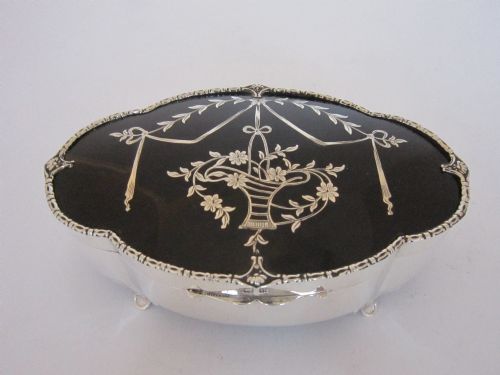
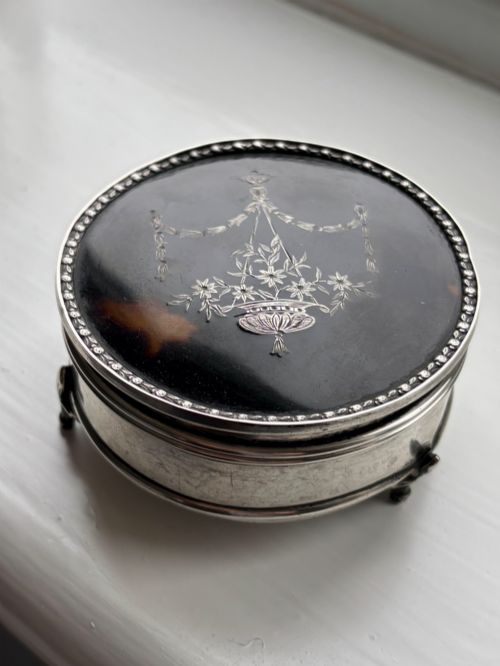
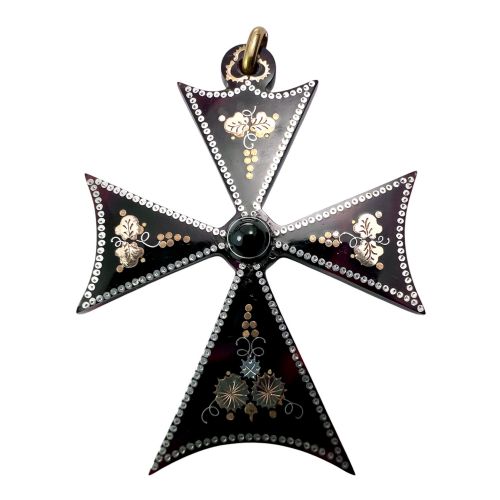
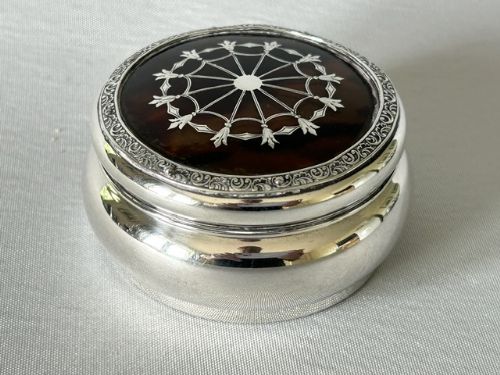
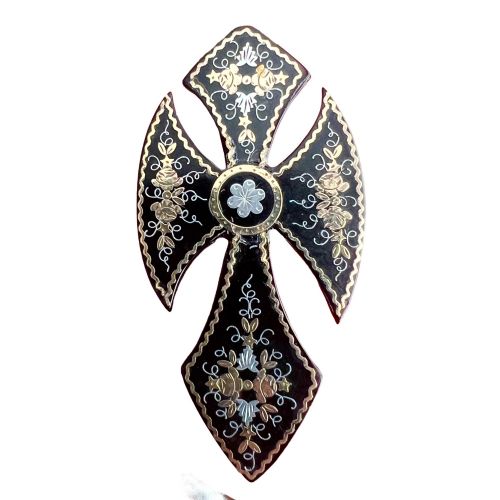
These pique silver inlay pieces combine rich tortoiseshell and precious metals into small, tactile boxes and brooches that collectors prize for their intricate craftsmanship.
Pique Silver Inlay
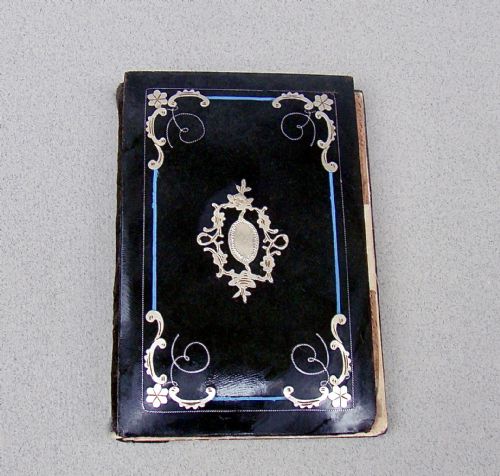
When you search for pique silver inlay, you are looking at small personal accessories and trinkets made primarily from tortoiseshell or faux tortoiseshell decorated with fine metal wire and pins. The selection on this page centres heavily on Victorian and Edwardian examples, spanning from the mid nineteenth century through to the reign of George V.
Originating largely from British and French makers, these items reflect the tastes of the nineteenth and early twentieth centuries. The use of sterling silver and gold inlay against dark tortoiseshell creates a distinct visual contrast that defines the style.
How they were made
Makers constructed these pieces by heating organic tortoiseshell so it became pliable enough to receive tiny pins and fine strips of silver or gold pressed directly into the surface. As the shell cooled, it clamped tightly around the metal inlay without the need for modern adhesives.
Craftsmen then polished the entire surface flat so the inlaid metal and the tortoiseshell met in a smooth, continuous plane. Many of these items were finished with sterling silver mounts, rope-edge frames, or hinged hardware stamped to indicate the period.
Pique Silver Inlay Retail Price Guide 2026
Typical asking prices for pique silver inlay among the pieces listed under this phrase on Sellingantiques today, from the lower quarter to the upper quarter. They describe what is for sale here now, not the wider market.
Victorian ladies used aide-memoires with tiny bone pages to jot down dance partners at balls.
What varies in quality
The density and precision of the inlaid pattern separates finer examples from simpler production. Pieces featuring intricate floral motifs or combined gold and silver work demand greater skill than those with sparse geometric pinwork.
The structural integrity of the organic tortoiseshell and the crispness of the silver mounts dictate the standing of an individual piece. Items that retain their original hinges, unwarped shell, and clear hallmarks command greater attention.
Ollivant & Botsford·Asprey & Co.
The Pique Silver Inlay Glossary
- Tortoiseshell
- A mottled brown and amber material derived from the shell of certain marine turtles, historically valued for its translucence and warmth. It serves as the primary ground for pique decoration.
- Pique
- A decorative technique where tiny pins and thin strips of precious metal are pressed into a heated organic base material. The design cools firmly into place.
- Aide-memoire
- A small pocket notebook or memorandum tablet, often encased in tortoiseshell with silver inlay and fitted with bone leaves for recording notes. They were popular personal accessories in the nineteenth century.
- Sterling silver
- An alloy of silver containing ninety-two point five percent silver by mass and seven point five percent other metals, usually copper. It is frequently used for the structural mounts and hinges on these boxes.
Pique Silver Inlay: Frequently Asked Questions
What is pique silver inlay?
Pique silver inlay is a decorative method where fine silver wire and tiny pins are hand-pressed into heated tortoiseshell.
As the material cools, it locks the metal in place to create delicate geometric or floral patterns across boxes and brooches.
How do I date these pieces?
You can date many pieces by examining silver hallmarks, maker marks, and the specific style of the mount.
Victorian and Edwardian examples often show distinct hinge construction and mounting techniques typical of their decade.
Were these items used daily?
Yes, they served as functional personal luxury goods for holding small trinkets, jewellery, or calling cards.
Dressing table boxes kept valuables safe, while aide-memoires and brooches were carried or worn during social calls.
How should I care for tortoiseshell?
Tortoiseshell is an organic material that reacts to extreme changes in temperature and humidity.
Keep pieces away from direct sunlight and harsh chemicals to prevent the shell from warping or drying out.