




Pique Inlay Box
A pique inlay box combines precious metals and organic shell into miniature sculptural forms designed for the dressing table.
Pique Inlay Box
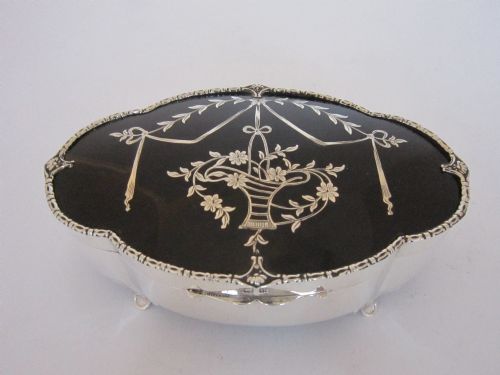
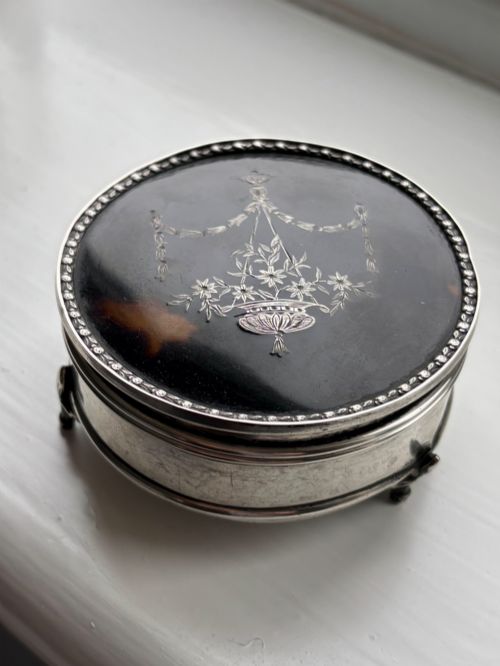
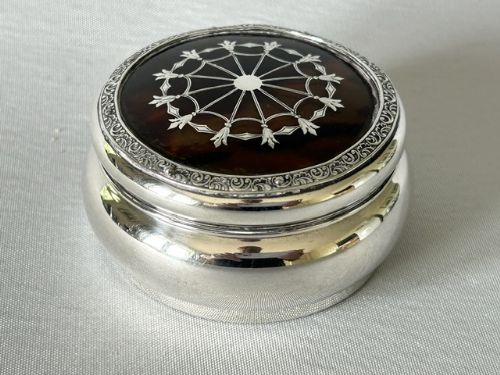
A pique inlay box is a small lidded container designed to hold snuff, trinkets, jewellery, pills or toothpicks. You will frequently encounter Edwardian and George V sterling silver boxes featuring tortoiseshell lids adorned with silver or gold ornamentation. These pieces range from compact dressing table boxes and ring boxes to unusual shoe-shaped snuff boxes.
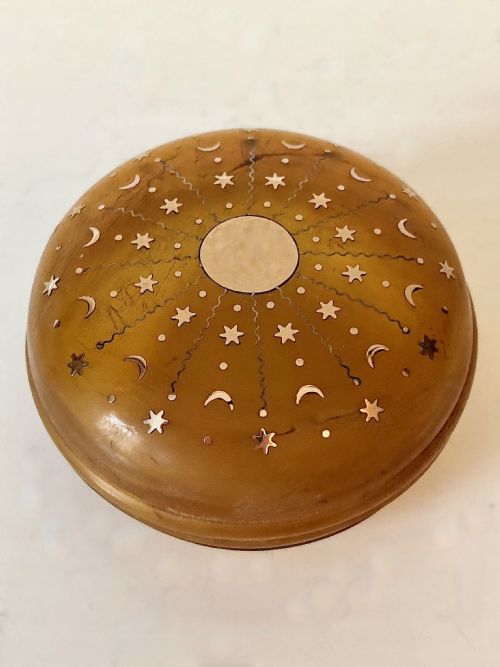
The selection spans from Georgian examples dating to the late eighteenth century through to twentieth-century items from the 1920s. Alongside traditional rectangular or oval trinket boxes, the archive and current listings include 19th-century folk art treen snuff shoes carved from wood with inlaid brass wire and motifs.
Materials and Construction
Maker's workshops combined sterling silver, gold, and brass wire or pins with organic materials such as tortoiseshell, blond tortoiseshell, faux tortoiseshell, bone, and wood. The tortoise or shell surface was softened with heat to allow tiny metal pins, wire, or cut-out foils to be pressed directly into the material.
Wooden examples utilised mahogany and treen carved into sculptural forms like shoes with double openings, embellished with brass pique work foliage, flowers, and inlaid diamonds.
Pique Inlay Box Retail Price Guide 2026
Typical asking prices for pique inlay box among the pieces listed under this phrase on Sellingantiques today, from the lower quarter to the upper quarter. They describe what is for sale here now, not the wider market.
Listings feature sterling silver, tortoiseshell, wood, brass, bone, and blond tortoiseshell across Georgian, Edwardian, and 1920s periods.
Distinctions in Quality
Quality rests upon the intricacy and precision of the metal inlay work set into the tortoiseshell lid. Fine examples display complex foliage, floral motifs, or geometric patterns executed with minute silver or gold pins that remain entirely flush with the shell surface.
The weight and gauge of the sterling silver mounts, hinges, and linings also determine the calibre of the piece, alongside the clarity, warmth, and depth of the underlying tortoiseshell or mahogany.
Ollivant & Botsford·Asprey & Co.
The Pique Inlay Box Glossary
- Pique work
- The technique of inlaying tiny pins, strips of metal, or cut-out foils into a non-metallic base material such as tortoiseshell or ivory. This method creates decorative patterns on small boxes and personal accessories.
- Tortoiseshell
- The mottled brown and amber shell of certain turtle species utilised for decorative lids and boxes. It provides a rich dark contrast to silver and gold inlay.
- Treen
- Small handmade wooden items produced from local timber. These practical or decorative objects often exhibit folk art carving.
- Snuff box
- A small lidded container made to hold dry pulverized tobacco. These boxes were carried in pockets or kept on dressing tables.
- Trinket box
- A lidded receptacle designed for holding small personal items or jewellery. They frequently feature fitted velvet or silk interiors.
Pique Inlay Box: Frequently Asked Questions
What were pique inlay boxes used for?
These small containers held personal commodities such as snuff, toothpicks, pills, and valuable rings or trinkets.
They sat upon dressing tables or were carried in pockets by gentlemen and ladies during the Georgian and Edwardian eras.
How do I date a silver and tortoiseshell box?
Examine the silver hallmarks stamped on the mounts to determine the exact year and assay office of manufacture.
Stylistic details, such as George V or Edwardian structural outlines, also provide clear chronological indicators.
What is the difference between tortoiseshell and faux tortoiseshell?
Genuine tortoiseshell is derived from the natural keratin shell of marine turtles, exhibiting organic variation and depth.
Faux tortoiseshell is a manufactured substitute created to mimic the distinctive amber and dark brown mottled appearance of the natural material.
How should I care for a tortoiseshell box?
Keep the piece away from direct sunlight, extreme heat sources, and heavy moisture to prevent the organic shell from warping or cracking.
Dust gently with a soft, dry cloth and avoid harsh chemical cleaning agents on the silver and metal inlay.