

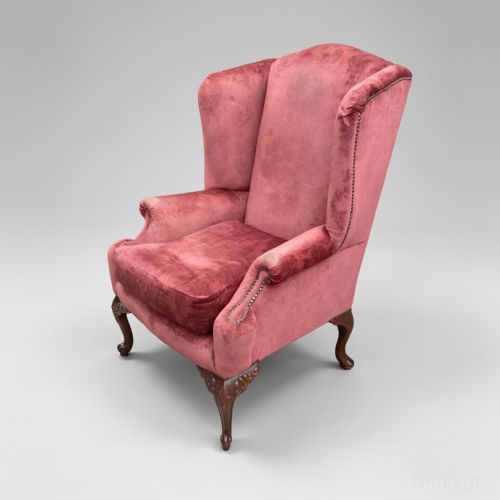


Pink Wing Armchair
A pink wing armchair brings warmth and character to a room, offering deep comfort paired with historic elegance.
Pink Wing Armchair
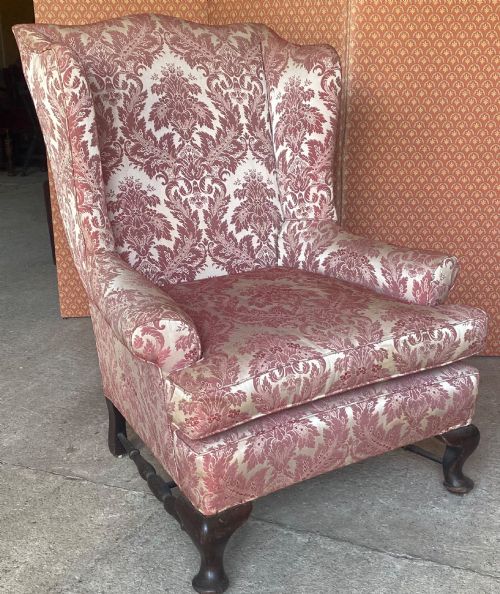
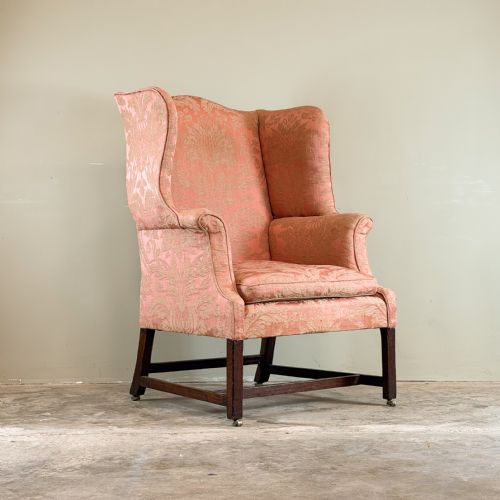
When you search for a pink wing armchair, you find seating designed to shield the sitter from draughts while adding colour to a space. These pieces combine deep upholstery with protective side panels known as wings.
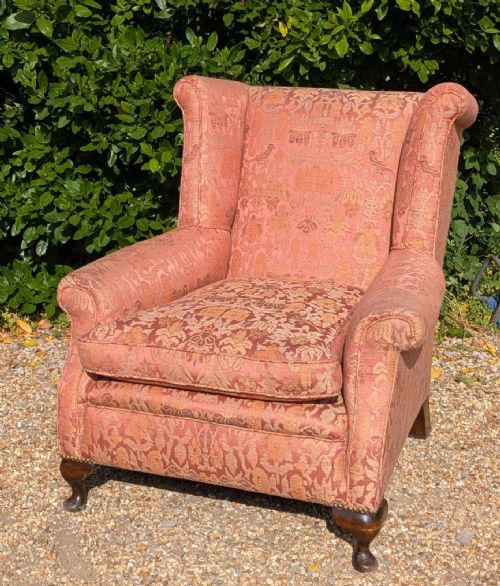
The examples seen here span multiple periods, ranging from eighteenth-century Georgian origins through Victorian and Edwardian interpretations up to the nineteen-thirties. You are most likely to meet Edwardian and nineteenth-century styles dressed in soft fabric or velvet.
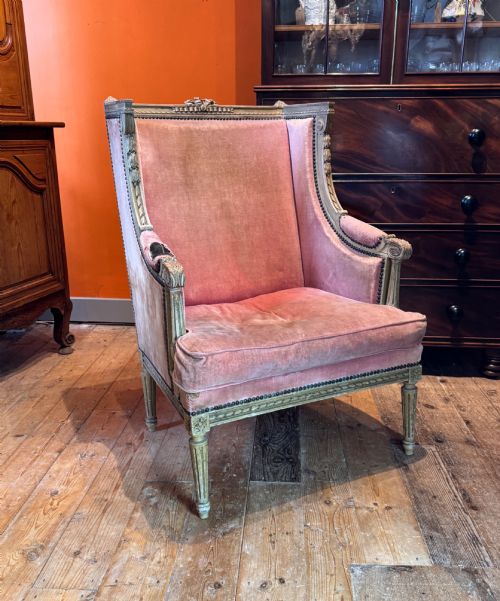
Frames take various forms, referencing Louis XVI, Queen Anne, and Chippendale traditions alongside classic English country house aesthetics. Walnut, mahogany, and general wood frameworks support the upholstered bodies.
How they were made
Construction relies on sturdy timber frames shaped from walnut, mahogany, or plain wood to support the substantial weight of the upholstery. Joinery techniques reflect the period of manufacture, providing structural stability beneath the fabric.
Upholstery materials include velvet, damask, tapestry, and general fabric, often complemented by feather fillings for cushioning. Detail work incorporates traditional methods such as deep buttoned backs and exposed brass accents.
Pink Wing Armchair Retail Price Guide 2026
Typical asking prices for pink wing armchair among the pieces listed under this phrase on Sellingantiques today, from the lower quarter to the upper quarter. They describe what is for sale here now, not the wider market.
Listings feature frames in walnut, mahogany, and general wood, paired with velvet, damask, tapestry, and brass elements.
What varies in quality
Quality rests in the integrity of the timber frame and the proportion of the wings in relation to the seat. Finer pieces demonstrate careful attention to carving on the wooden legs and arms, aligning with specific historical styles such as George III or Queen Anne.
The sophistication of the upholstery technique also distinguishes the range, seen in the execution of deep buttoning and the choice of tactile materials like velvet or damask. Original paint finishes or patinated woodwork further elevate the character of a piece.
The Pink Wing Armchair Glossary
- Wingback
- A chair design featuring protective panels attached to the arms and rising to the back. This form originated to keep drafts away from the sitter by the hearth.
- Cabriole leg
- A furniture leg that curves out and then in, resembling an animal's leg. It often terminates in a pad or claw foot on period seating.
- Damask
- A reversible figured fabric woven on a jacquard loom. It provides a subtle patterned texture suitable for formal upholstery.
- Deep buttoning
- An upholstery technique where buttons are pulled tight through the padding in a diamond pattern. This secures the filling and creates a tufted surface.
Pink Wing Armchair: Frequently Asked Questions
What is a pink wing armchair?
A pink wing armchair is a high-backed seat featuring protective side panels designed to block draughts. These chairs combine traditional upholstery with varied shades of pink fabric.
They draw on historical styles spanning the eighteenth, nineteenth, and early twentieth centuries. Each piece integrates classic frame designs with soft textile coverings.
How were these chairs used?
Historically, winged chairs were placed near fireplaces to trap heat and shield occupants from cold air currents. The wings served a practical purpose in maintaining personal warmth.
Over time, they transitioned into prominent living room seating options. They continue to serve as functional reading chairs and decorative focal points.
How do I live with one?
Integrating this seating into a room works best when paired with neutral surroundings that allow the pink upholstery to stand out. Placing the chair in a corner or by a fireside highlights its traditional silhouette.
Regular gentle maintenance keeps the fabric and wooden frame in good condition. Combining the piece with complementary textures enhances its visual impact.
How do I tell periods apart?
Identifying the age of a chair involves examining the woodwork, leg style, and construction methods. Georgian and Queen Anne pieces display specific stylistic cues like cabriole legs.
Later Victorian and Edwardian examples often feature deeper buttoning and different proportions. Comparing frame details helps place the chair within its correct era.