


Pink Shade Table Lamps
These pink shade table lamps bring period warmth and soft filtered light to a room, led by Victorian oil lamps and brass designs.
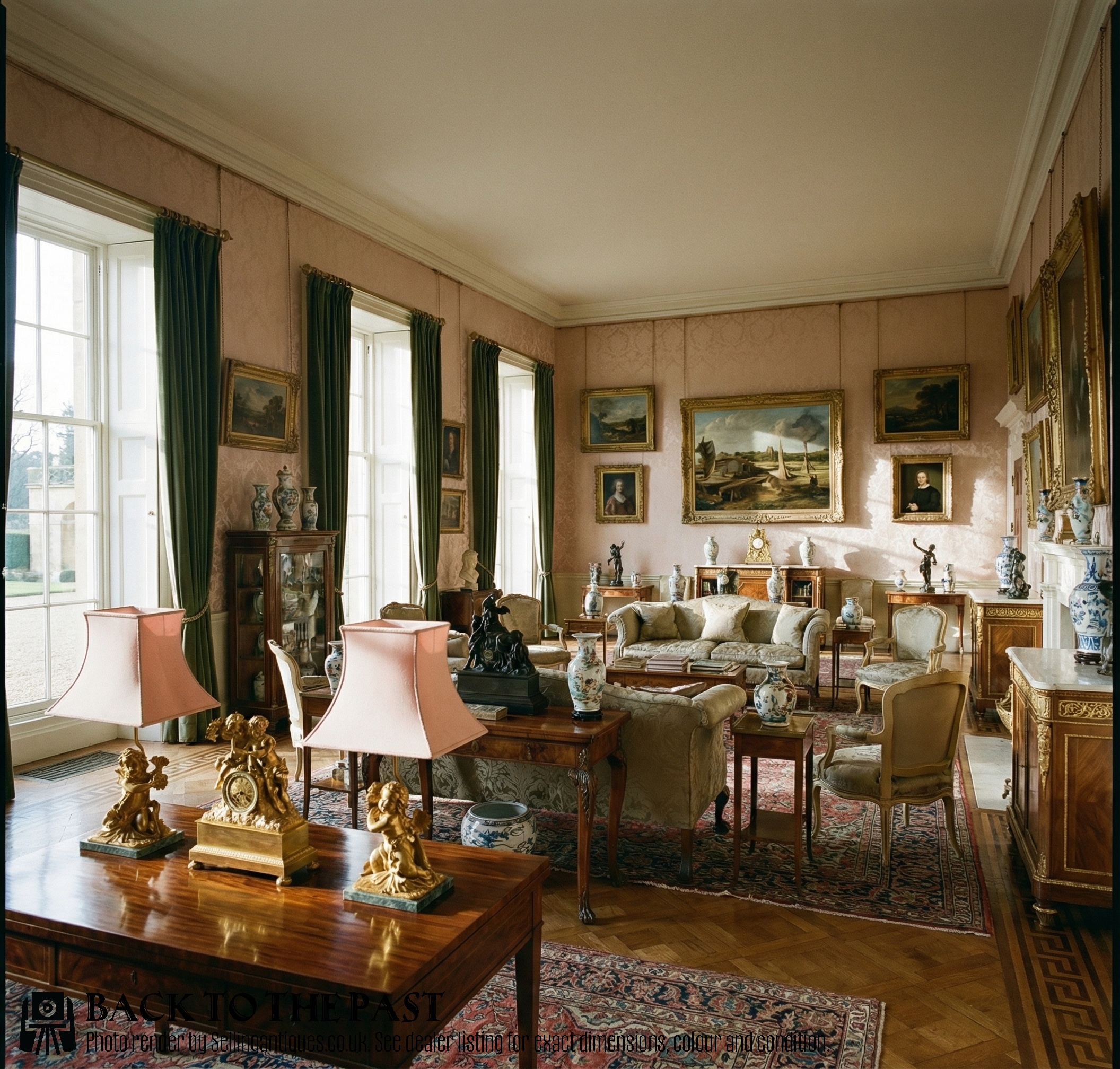
Pink Shade Table Lamps
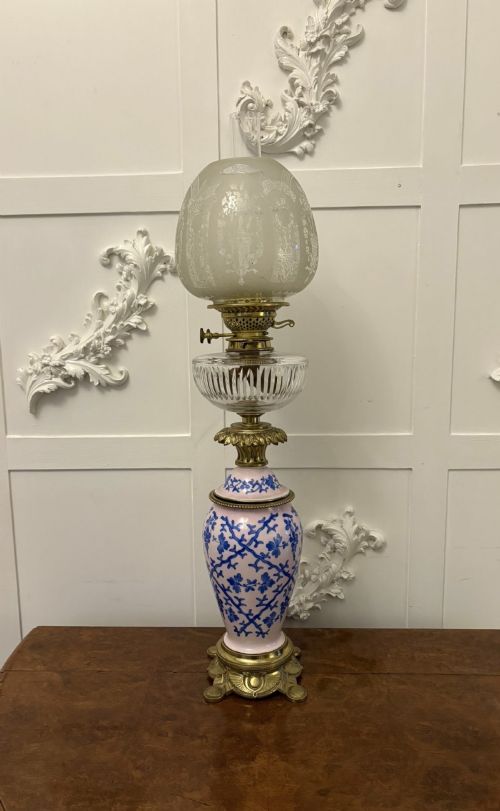
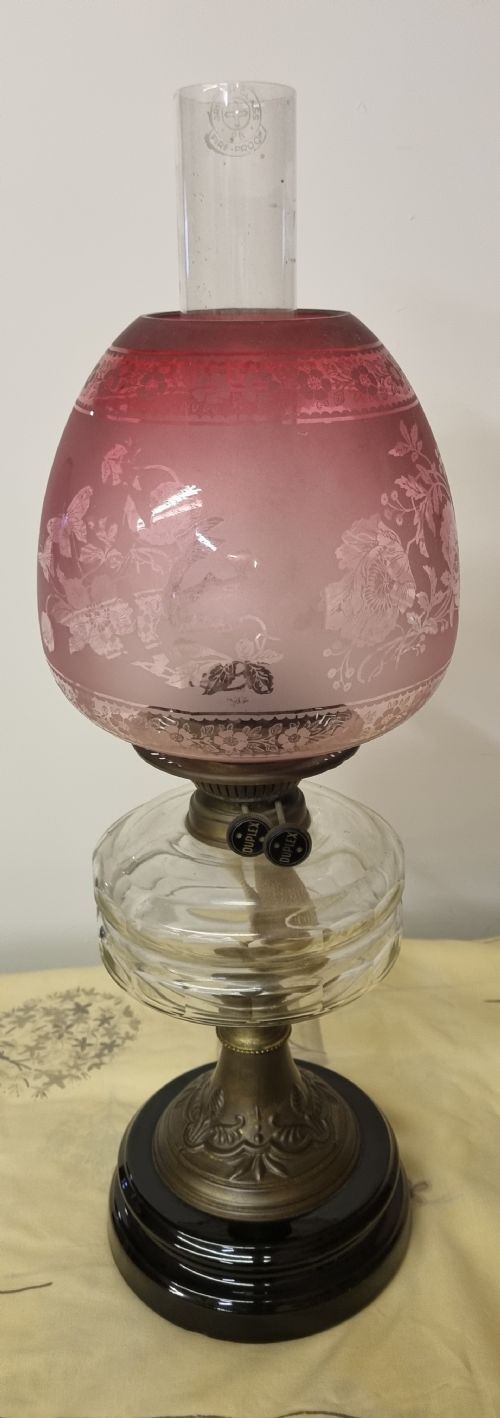
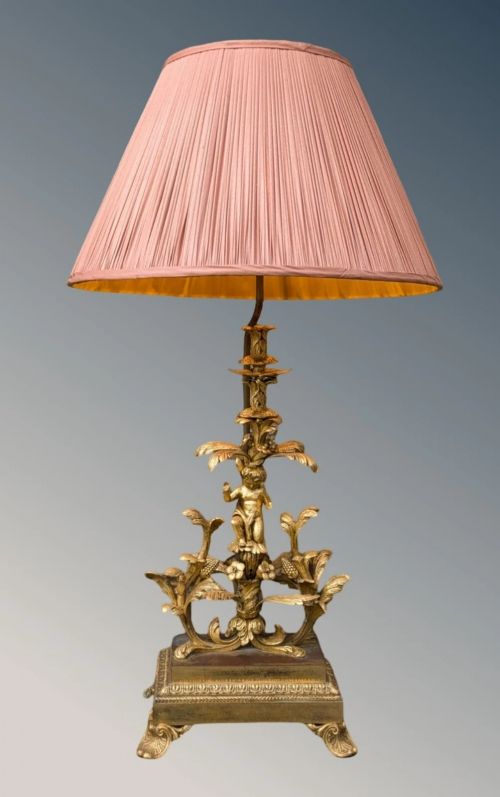
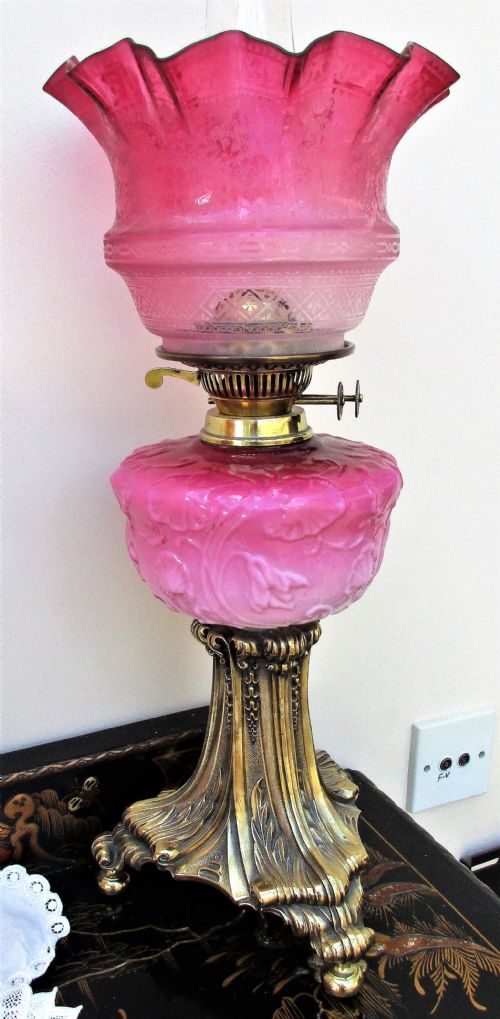
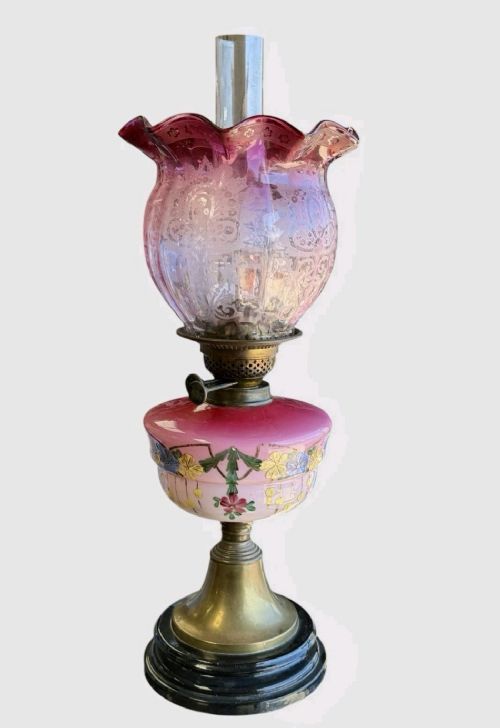
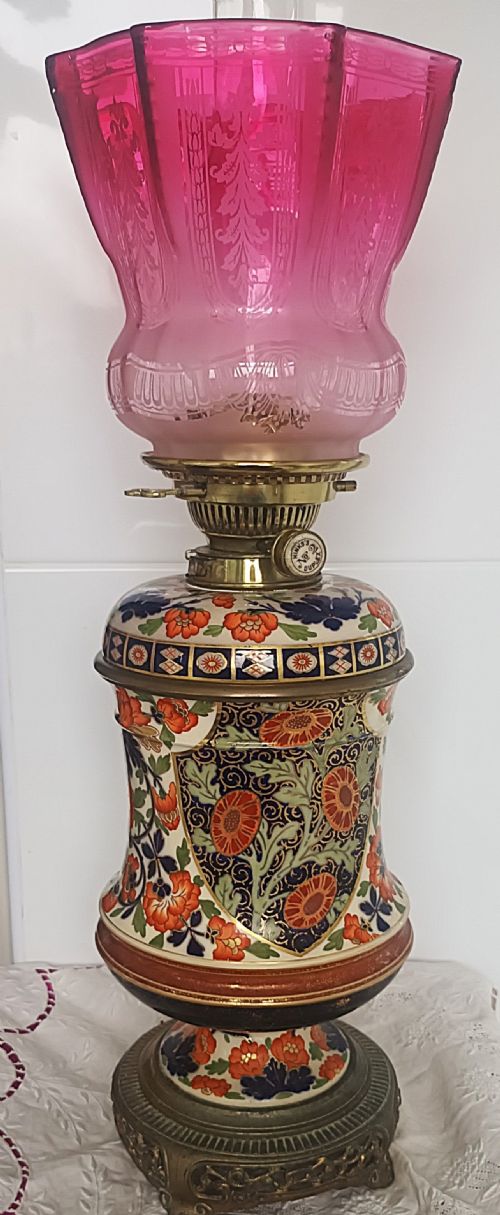
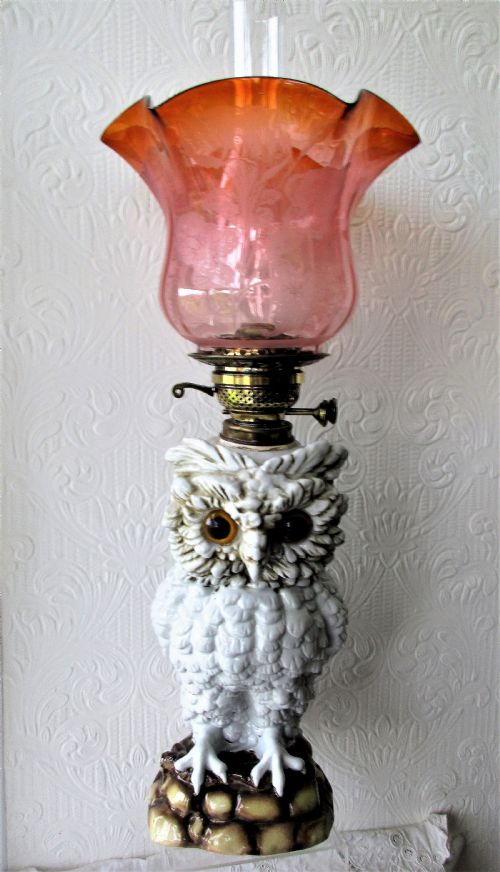
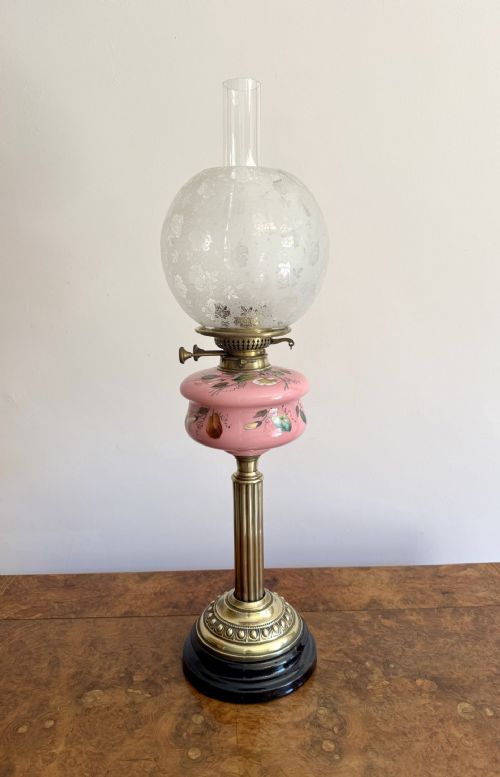
When searching for pink shade table lamps, you encounter a distinct selection of period lighting dominated by Victorian and Edwardian oil lamps converted for modern use. These pieces combine functional illumination with decorative glass and ceramic bodies, often featuring cranberry or pink glass shades paired with heavy metal columns.
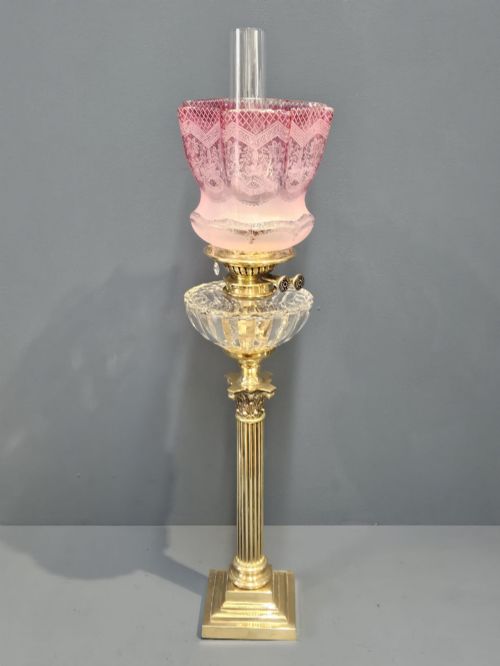
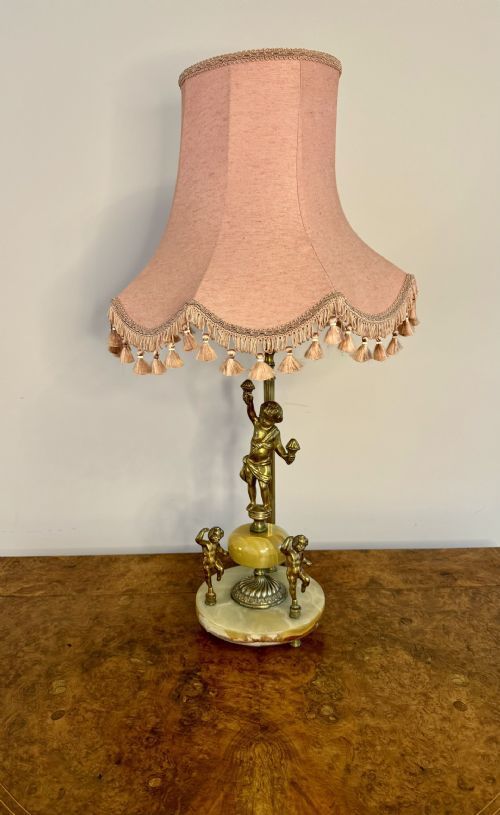
The assortment on this page leans heavily towards nineteenth-century and early twentieth-century examples, including brass Corinthian columns, porcelain fonts, and carved onyx bases. Alongside traditional oil lamps, you will find occasional Art Deco forms and Chinese export ginger jars adapted into electrical lighting.
Most entries showcase the domestic lighting technology of their day, transitioning from paraffin burners to electrified table and desk lamps. The pink and cranberry shades define the group, casting a warm hue that distinguishes them from plain clear or white glass alternatives.
Materials and Construction
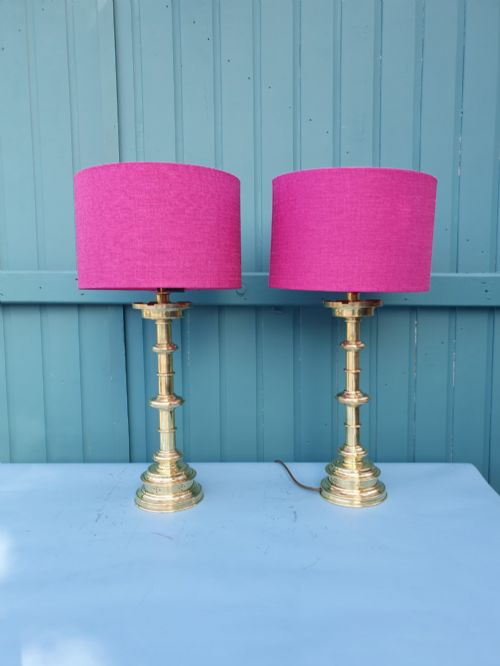
The construction of these lamps relies heavily on cast brass, gilded bronze, and polished copper paired with heavy ceramic or porcelain bodies. Makers utilised durable metals for columns and bases to support the weight of decorative glass fonts and large shades.
Glasswork forms a central element, utilising techniques such as hand-painting, etching, and flash-cradling to create rich cranberry and pink tones in the shades and reservoirs. Frosted glass and opaque porcelain provide contrasting textures against the gleaming metalwork of the Victorian and Edwardian eras.
The listings span from the Victorian era through the Edwardian period into Art Deco, uniting brass, porcelain, and cranberry glass.
Assessing Quality
Quality in these lamps rests upon the weight and crispness of the metal casting, particularly in brass columns and bronze mounts where finer chasing creates sharper detail. Heavier gauge brass and solid marble or onyx bases indicate superior manufacture compared to lighter, hollow alternatives.
The distinction also lies in the artistry of the glass shades and porcelain hand-painting, where deep coloration, precise etched patterns, and delicate floral motifs set finer pieces apart. Complete pairings of original matching fonts and coloured shades represent the higher tier of survival.
Hinks·Taylor Tunnicliff·Sitzendorf
The Pink Shade Table Lamps Glossary
- Font
- The oil reservoir sitting atop the lamp column, frequently rendered in painted porcelain, brass, or coloured glass. It forms the visual centrepiece beneath the shade.
- Corinthian Column
- A classical architectural column style featuring ornate acanthus leaves on the capital. Victorian lamp makers frequently adopted this design for heavy brass table lamps.
- Cold Painted
- A decoration technique where paint is applied to metal without subsequent firing in a kiln. This method was often utilised on bronze animal or figural mounts attached to lamp bases.
- Ginger Jar
- A high-shouldered ceramic vessel originally used for storing spices in China. Many nineteenth-century examples are subsequently drilled and fitted as table lamps.
Pink Shade Table Lamps: Frequently Asked Questions
How do I safely wire an antique oil lamp?
Conversion usually involves running a cord discreetly through the original burner mechanism without damaging the historic metalwork. A qualified electrician can fit modern internal wiring while preserving the exterior components.
Ensure the heavy brass or ceramic base remains stable and balanced once the electrical cord and bulb holder are added to the top assembly.
Are these lamps still used with oil?
Almost all pieces found here are now adapted for electricity to suit modern homes, though their original brass burners and galleries often remain attached. This allows them to retain their historic appearance while functioning safely as bedside or desk lighting.
Converting them back to paraffin operation is rarely done, as electric fittings provide cleaner daily use.
How do I match a replacement pink shade?
Look closely at the fitter size, which is the bottom collar diameter that slides into the brass gallery ring of the lamp. Matching the period style, such as Victorian etched cranberry glass or Edwardian frosted pink glass, ensures historical harmony.
Proportion is equally vital, as a shade that is too wide will overpower a slender brass or porcelain column.
What is the difference between Victorian and Edwardian lamps?
Victorian lamps tend to be ornate and heavy, featuring elaborate brass castings, Corinthian columns, and deep cranberry glass fonts. They often celebrate domestic comfort through rich colours and intricate hand-painted porcelain.
Edwardian designs frequently lean towards lighter, simpler brass forms, swan-neck desk adjustments, and restrained ornamentation that reflects the shifting tastes of the early twentieth century.