





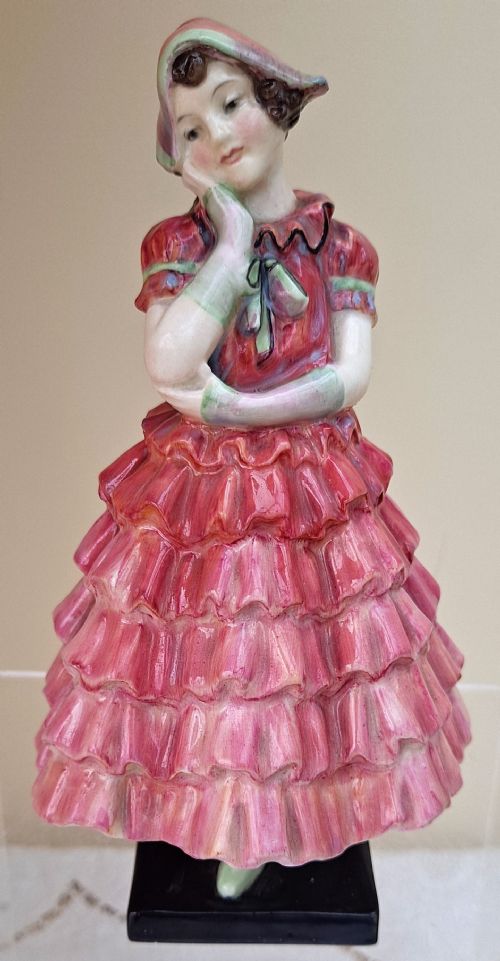

Pink Porcelain Statuettes
Pink porcelain statuettes bring three-dimensional grace to a room, capturing human figures in glazed and biscuit finishes across multiple centuries.
Pink Porcelain Statuettes
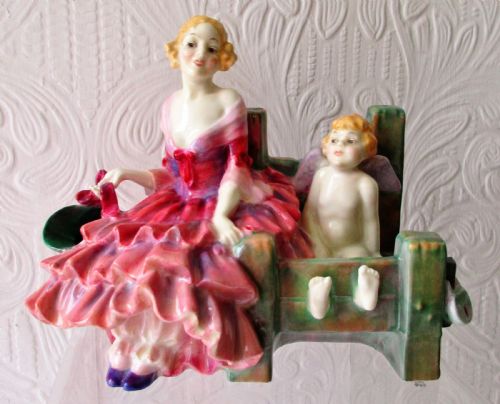
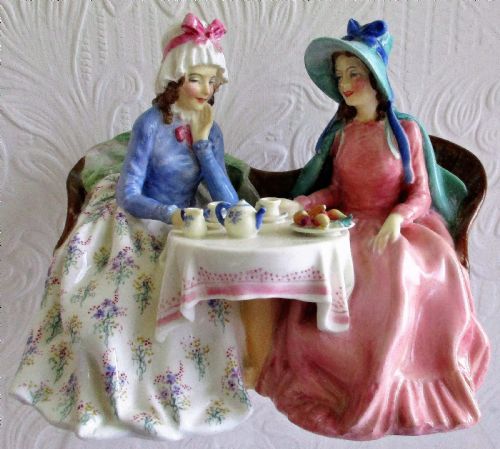
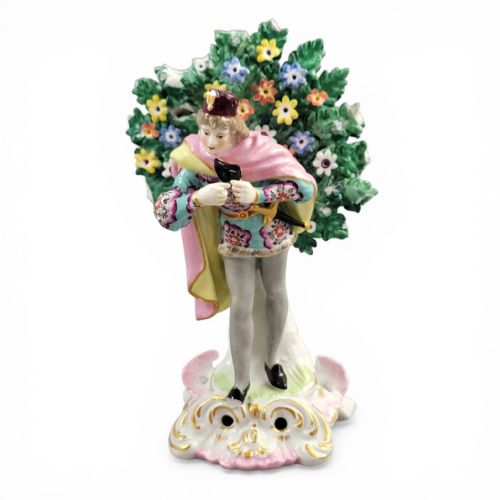
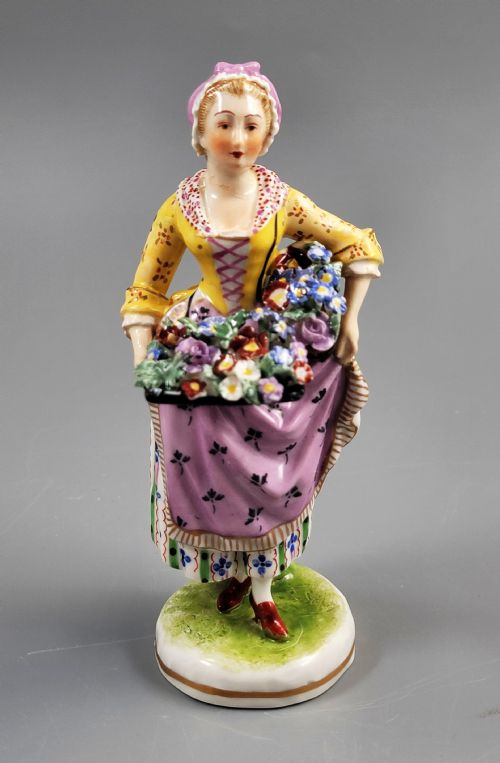
When you search for pink porcelain statuettes, you are looking at small figural sculptures shaped from clay and ceramic, ranging from Georgian court scenes to Art Deco dancers. The pieces on this page span the eighteenth, nineteenth, and early twentieth centuries, recording changes in dress and posture.
You will encounter English and continental European works, including figures produced by factories in Derby, Bow, Meissen, and Paris. Subjects include ladies, actors, children, and allegorical figures in various poses.
The selection includes glazed surfaces alongside biscuit porcelain, showing both glossy finishes and matte textures. These figures function primarily as decorative ornaments for mantelpieces and display cabinets.
Manufacturing methods and materials
Makers shaped these objects using porcelain, bone china, and soft-paste porcelain, often applying ceramic glaze and enamel colours. Some pieces utilise gold leaf and gilt highlights to accentuate garments and bases.
The inventory spans the Georgian, Victorian, and Art Deco periods, encompassing both glazed and matte biscuit finishes.
Standards of execution
Quality rests in the crispness of the modelling and the precision of the hand-painting on garments and facial expressions. Earlier eighteenth-century figures show delicate brushwork in pastel hues, while later pieces rely on factory moulding.
The retention of original gilding and the subtlety of the enamel work distinguish superior examples. Finer pieces maintain clean lines in the porcelain body without distortion from the kiln.
Royal Doulton·Meissen·Edmé Samson·Derby·Chantilly·Dressel, Kister and Cie·Bow·Sitzendorf·Volkstedt·Royal Dux·Copeland
The Pink Porcelain Statuettes Glossary
- Biscuit porcelain
- Unglazed ceramic fired once to create a matte, porous surface resembling white marble. This finish became popular in the nineteenth century for expressive figural groups.
- Soft-paste porcelain
- An artificial porcelain composition fired at lower temperatures than hard-paste, common in early English factories. It presents a warm, slightly creamy body.
- Gilt
- A thin layer of gold applied to surface details and borders. It highlights garments and bases on both glazed and biscuit figures.
- Enamel
- Vitreous coloured glass fused to the porcelain surface during firing. It provides the permanent pastel hues seen on historical figures.
- Gold anchor mark
- A small painted or raised anchor symbol used by certain eighteenth-century English porcelain works. It serves as a factory identifier on select pieces.
Pink Porcelain Statuettes: Frequently Asked Questions
How do I identify early porcelain figures?
Early figures often display factory marks, such as anchor symbols, and utilise soft-paste porcelain bodies with hand-painted pastel enamels. The weight and texture of the ceramic also provide clues to the period.
Examination of the base and unglazed resting points reveals the manufacturing era. Stylistic traits like Rococo curves point toward the eighteenth century.
Where were these statuettes made?
Production centres include England and continental Europe, specifically Germany and France. Major factories ranged from Derby and Bow in Britain to Meissen and various Parisian workshops.
Each region developed distinct styles, from Georgian pastoral figures to Art Deco nudes.
How should I display porcelain figures at home?
Place figures in stable locations away from heavy foot traffic to prevent accidental knocks. Enclosed glass cabinets protect delicate painted surfaces and gilding from dust.
Ensure pieces are not exposed to direct sunlight that might fade delicate enamel colours over time.