





Pink Patterned Chair
A pink patterned chair brings warmth and distinct character to a room, offering both comfortable seating and a striking decorative presence.
Pink Patterned Chair
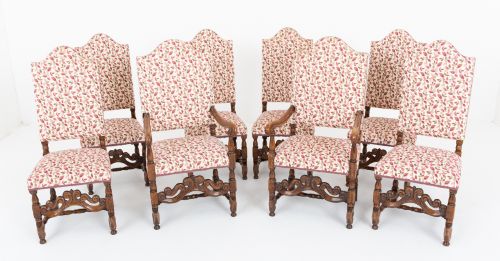
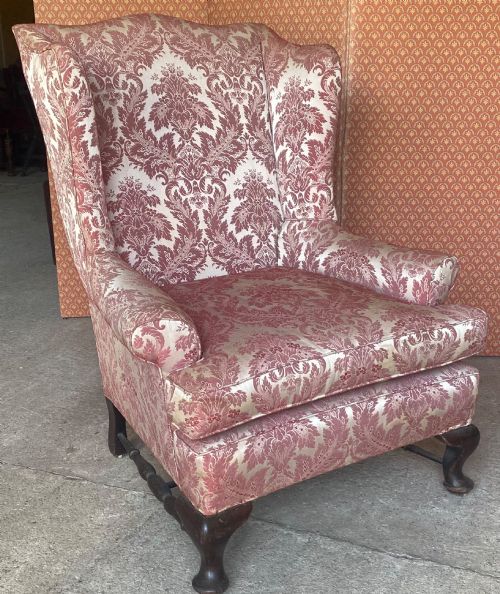
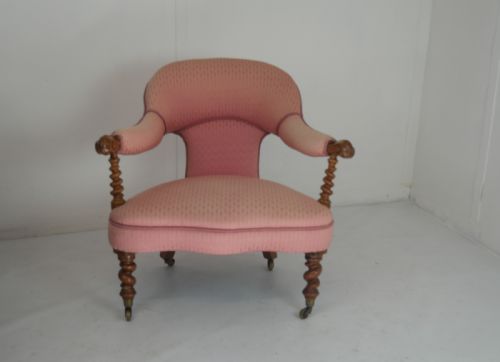
A pink patterned chair encompasses various seating forms upholstered in patterned textiles featuring pink tones, drawing from periods spanning the nineteenth and early twentieth centuries. Buyers searching for a pink patterned chair will encounter diverse configurations including armchairs, dining chairs, slipper chairs, and salon suites.
The selections originate from distinct design traditions, ranging from Victorian carved walnut frames and Edwardian reclining models to Jacobean style oak dining chairs and English country house armchairs. These pieces utilise textiles such as damask, velvet, and various upholstered fabrics applied to timber structures.
The physical form varies considerably according to the era and intended function of the seating. Early twentieth-century pieces often emphasise deep upholstery and comfort, whereas mid-nineteenth-century examples frequently showcase exposed walnut or mahogany frames.
Materials and construction
The structural framework of these chairs relies primarily on hardwoods such as walnut, mahogany, oak, teak, and general timber or brass elements. Frames are joined using traditional methods suited to each period, providing the foundational strength beneath the upholstery.
Upholstery techniques involve textiles like damask, velvet, and mixed fabrics secured over padding materials, occasionally incorporating feather filling for added comfort. Wood elements often feature carved details, gilt finishes, or exposed polished surfaces depending on the prevailing style.
Pink Patterned Chair Retail Price Guide 2026
Typical asking prices for pink patterned chair among the pieces listed under this phrase on Sellingantiques today, from the lower quarter to the upper quarter. They describe what is for sale here now, not the wider market.
Listings feature pieces spanning from the mid nineteenth century through to the 1930s, utilising walnut, mahogany, oak, teak, brass, and diverse textiles.
Factors of quality
The integrity of the underlying timber frame and the precision of any exposed carving distinguish the construction standards across these pieces. Chairs retaining their original structural rigidity and uncompromised joinery demonstrate superior craftsmanship.
The execution and survival of the upholstery, whether damask, velvet, or textile, influence the overall character of the piece. Quality is evident in how well the fabric complements the scale and period details of the wooden framework.
Howard and Sons·Heals of London
The Pink Patterned Chair Glossary
- Damask
- A reversible figured fabric of silk, wool, linen, cotton, or synthetic fibres, featuring patterns woven into the cloth. This material appears frequently on period upholstered seating.
- Slipper chair
- A low-seated upholstered chair originally designed for bedrooms to assist with dressing. These pieces typically feature compact proportions and generous cushioning.
- Salon suite
- A matching set of upholstered seating furniture intended for formal reception rooms. These suites coordinate in fabric, wood type, and stylistic ornamentation.
- Wing back
- An armchair featuring side panels or wings attached to the back, originally designed to shield the occupant from drafts. This form is common in early twentieth-century upholstered seating.
- Gilt
- Covered thinly with gold leaf or gold paint to embellish wooden frames. This finish appears on revival styles influenced by French decorative arts.
Pink Patterned Chair: Frequently Asked Questions
Were slipper chairs used in bedrooms?
Slipper chairs were traditionally positioned in bedrooms to provide comfortable seating near dressing tables. Their low profile facilitated ease of use during daily routines.
Over time, these versatile seats transitioned into general living spaces as decorative accent chairs.
What is a salon suite?
A salon suite consists of coordinated seating designed to furnish formal drawing rooms or reception areas during the nineteenth and early twentieth centuries. These matching sets typically include armchairs and smaller seating units sharing identical upholstery and frame designs.
They provided unified seating arrangements for entertaining guests in domestic interiors.
How should I care for antique velvet upholstery?
Maintaining antique velvet requires gentle brushing with the grain to prevent crushing of the pile. Direct sunlight should be avoided to protect the colour integrity of the textile.
Professional cleaning is recommended for addressing deeper staining without compromising the surrounding fabric.