




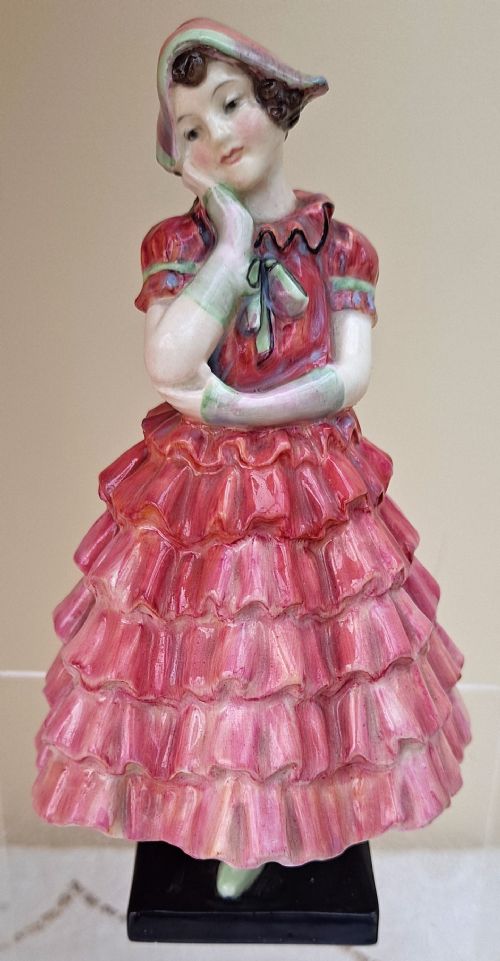


Pink Bone China
These pink bone china pieces offer a glimpse into historical tableware and decorative figures, bringing soft colour and craftsmanship to a collection.
Pink Bone China
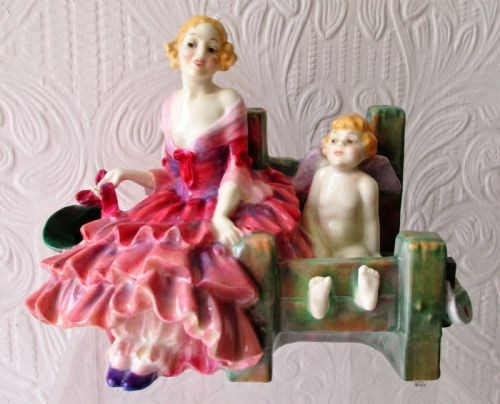
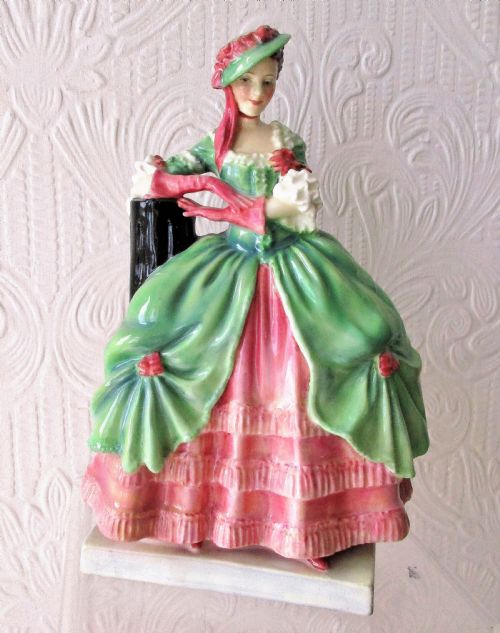
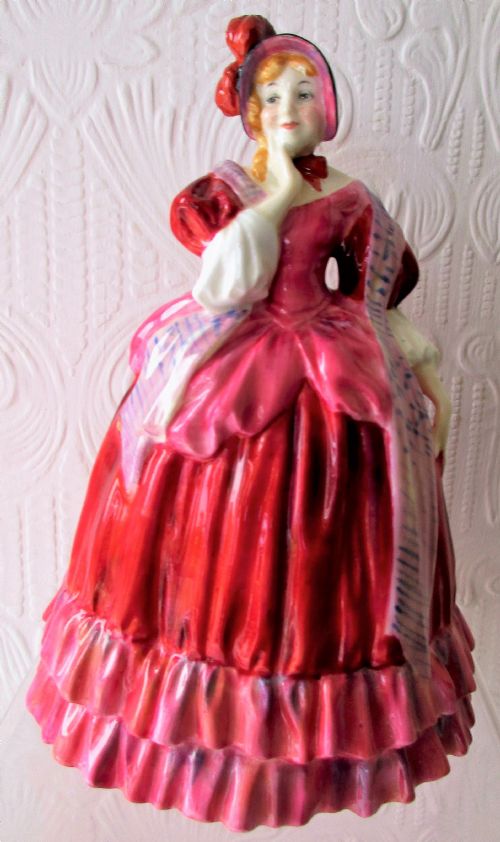
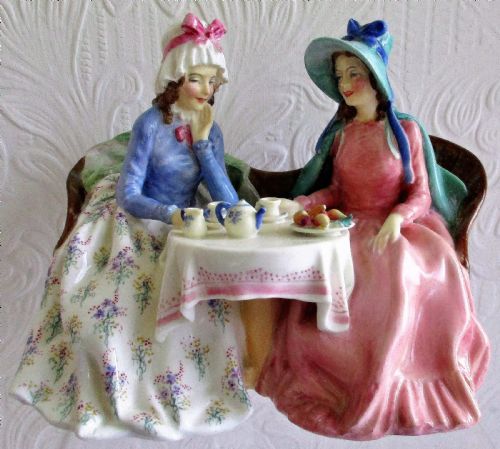
Pink bone china covers a broad sweep of historical objects, ranging from Georgian teapots and Regency entrée dishes to Edwardian vases and 1930s porcelain figurines. When exploring pink bone china on this page, buyers will encounter everything from handpainted dessert plates and demitasse sets to decorative ceramic figures.
The selection reflects various periods including Georgian, Regency, Edwardian, and the early twentieth century, alongside styles such as Art Deco and Late Victorian. Teacups, saucers, side plates, and painted fruit dessert dishes demonstrate how diverse this category truly is across different eras of English production.
Materials and Technique
These items rely on bone china, porcelain, and ceramic glaze, shaped into functional tableware and intricate figurines. Artisans applied gold leaf, gilding, and enamel to enhance the ceramic body, often creating handpainted motifs such as pink cabbage roses or delicate fruit scenes.
Kiln firing set the ceramic glaze and fixed the painted details onto the porcelain and bone china surfaces. Gilding and enamel work required steady hands and precise temperature control during production to achieve the finished lustre.
Pink Bone China Retail Price Guide 2026
Typical asking prices for pink bone china among the pieces listed under this phrase on Sellingantiques today, from the lower quarter to the upper quarter. They describe what is for sale here now, not the wider market.
Listings feature porcelain, bone china, and enamel across Georgian, Regency, Edwardian, and 1930s periods.
Judging Quality
Quality rests upon the crispness of the handpainting, particularly in detailed floral motifs and painted fruit scenes signed by known artists. Finer pieces display careful application of gold leaf and gilding that remains sharp and well-preserved across the porcelain surface.
The sophistication of the modelling in figurines and the precision of the ceramic glaze set superior examples apart from standard production. Makers who supplied royal households or maintained high standards in their workshops naturally produced pieces with finer definition.
Royal Doulton·Derby Porcelain·Davenport·Cauldon Ltd·Chamberlain Worcester·Flight, Barr and Barr·Royal Worcester·Spode·Barr, Flight & Barr·Spode Copeland
The Pink Bone China Glossary
- Bone china
- A type of porcelain containing bone ash, known for its strength and milky white body that accepts glaze and enamel exceptionally well. It allows for thinner vessel walls while maintaining durability.
- Gilding
- The application of gold leaf or gold paint to ceramic surfaces for decorative accent. On better pieces, this enrichment catches the light cleanly.
- Demitasse
- A small cup used for serving espresso or strong black coffee, frequently found in twentieth-century settings. These often accompany matching saucers in decorative ceramics.
- Entrée dish
- A serving vessel designed for holding courses during formal meals, often featuring elaborate handles or shaped rims. Regency examples show particular attention to form.
- Enamel
- A decorative glass-like substance fused to the surface of porcelain through firing, providing vibrant and permanent colour. It forms the basis of many handpainted floral designs.
Pink Bone China: Frequently Asked Questions
What is pink bone china?
Pink bone china encompasses historical teaware, decorative figures, and tableware featuring pink enamel decoration, handpainted roses, or coloured ceramic glazes.
Items range from Georgian teapots and Regency dishes to Edwardian vases and 1930s figurines.
How do I date these pieces?
Dating relies on maker marks, stylistic indicators such as Art Deco or Regency forms, and recorded patterns from factories like Royal Worcester and Spode.
Period details in the painting and shape help place items accurately within the nineteenth and twentieth centuries.
Were these items used daily?
Many teacups, saucers, and plates served practical functions in period dining, while figurines and demitasse sets often fulfilled decorative or specialised roles.
Royal interest and high-end commission pieces, such as those supplied to royal households, indicate both ceremonial and high social use.
How should I care for pink bone china?
Gentle hand washing in warm water with mild detergent preserves the delicate enamel work, handpainted details, and gilding.
Avoiding abrasive cleaners protects the ceramic glaze and maintains the finish on older porcelain and bone china.