



Pink and White Ceramics
Pink and white ceramics bring together delicate glazes and earthenware across the eighteenth and nineteenth centuries.
Pink and White Ceramics
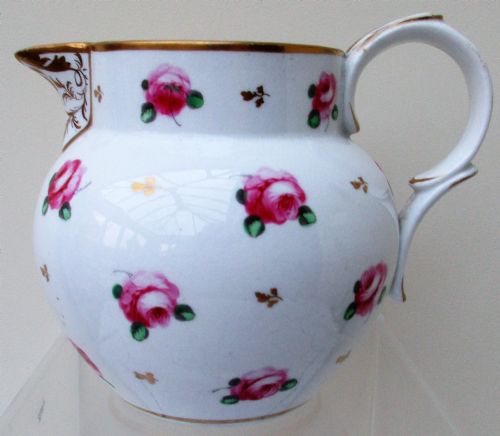
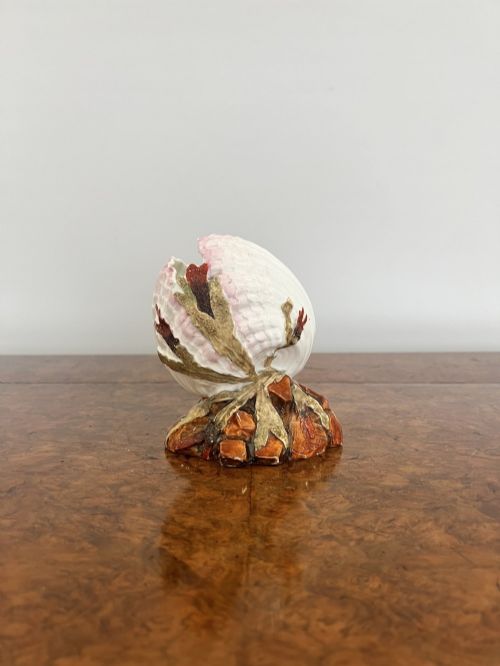
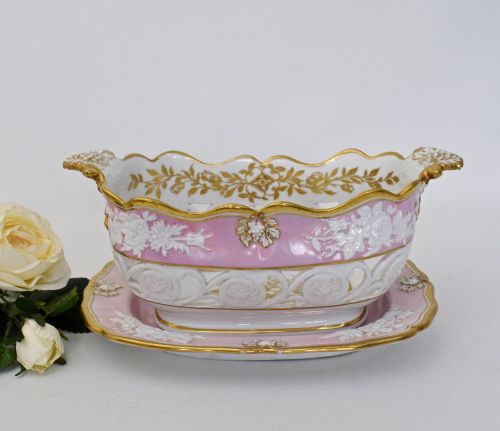
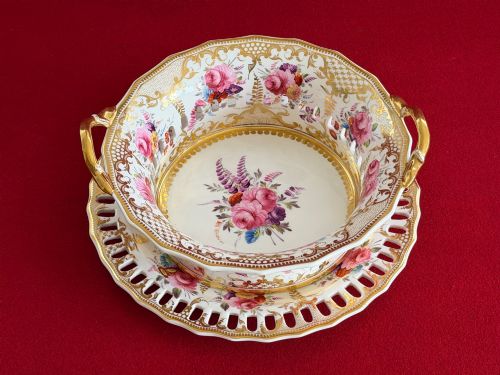
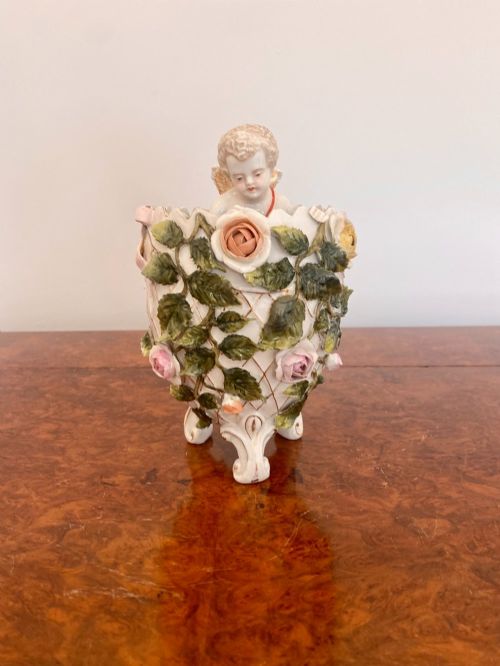
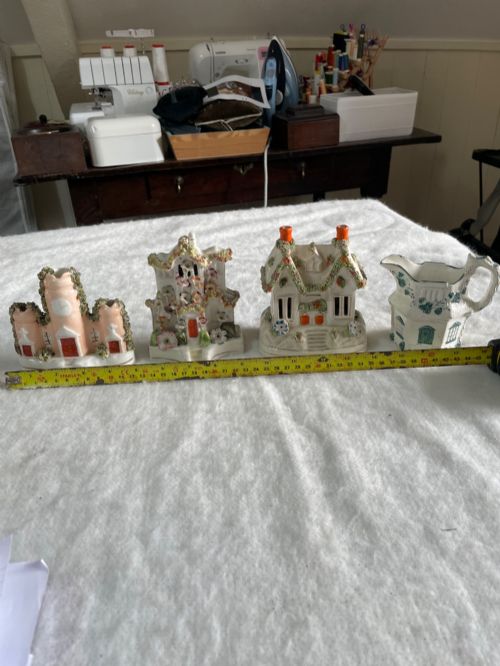
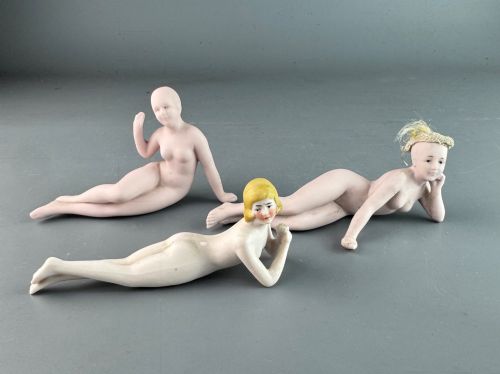
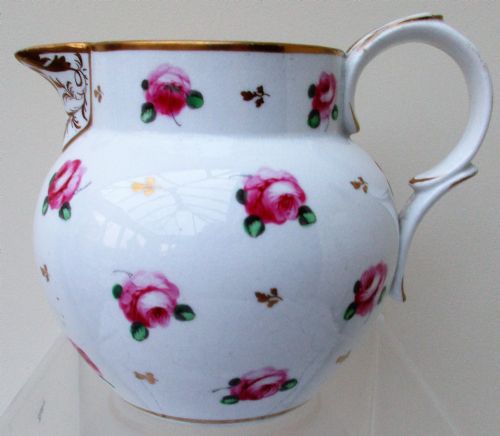
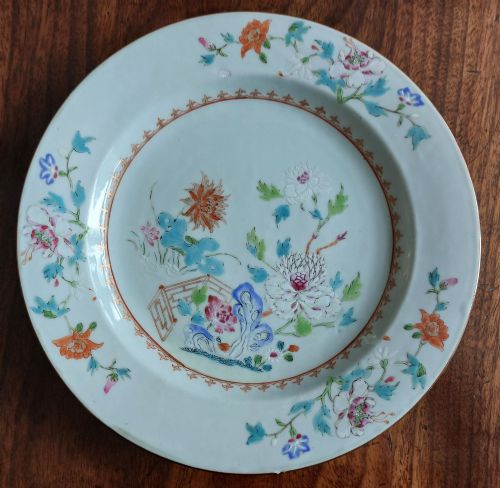
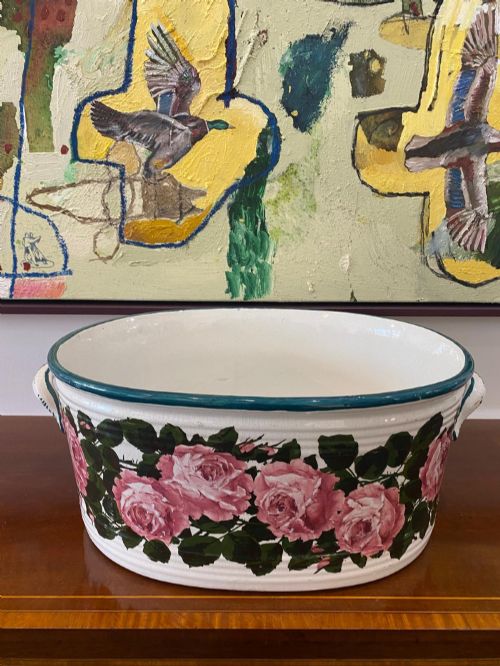
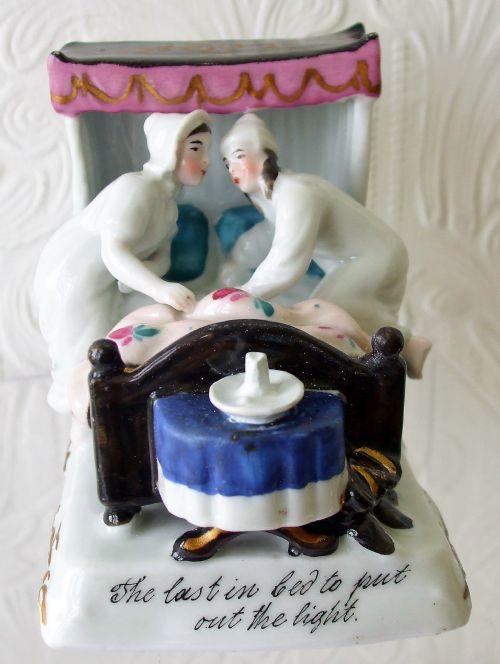
When you search for pink and white ceramics, you encounter an array of objects spanning the eighteenth, nineteenth, and early twentieth centuries, including plates, figurines, vases, and jugs. The selection relies heavily on Chinese Export porcelain and English earthenwares like Staffordshire pottery, alongside continental European figures and tableware.
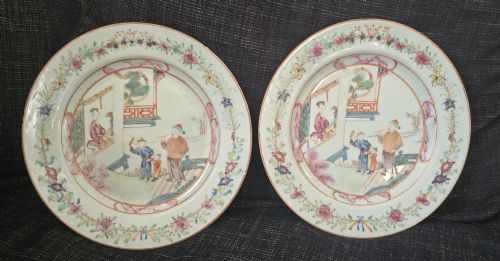
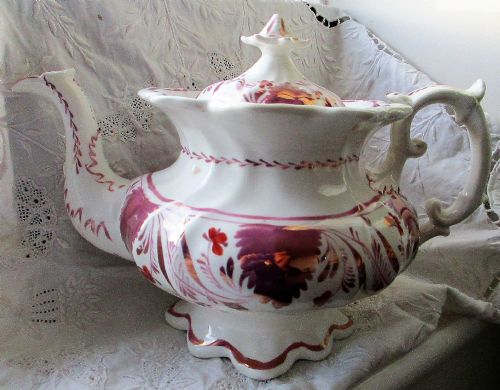
You are most likely to meet Chinese Famille Rose plates and bowls decorated with pink enamel alongside Victorian Staffordshire figures and jugs. These pieces range from eighteenth-century armorial dishes to nineteenth-century continental porcelain and Art Deco porcelain figures.
How they were made
Makers utilised porcelain, earthenware, and biscuit porcelain, often finishing surfaces with coloured glaze and enamel paint. Artisans applied hand-painted polychrome pigments and occasionally incorporated gold leaf and brass mounts.
Techniques varied from the intricate overglaze enamelling seen on Chinese export wares to the transfer printing and pearlware lustre found on English Staffordshire pottery. Biscuit porcelain figures were left unglazed to highlight the fine details of the modelling.
Pink and White Ceramics Retail Price Guide 2026
Typical asking prices for pink and white ceramics among the pieces listed under this phrase on Sellingantiques today, from the lower quarter to the upper quarter. They describe what is for sale here now, not the wider market.
The listings span porcelain and earthenware across the eighteenth, nineteenth, and twentieth centuries, featuring Chinese export wares alongside European figures and tableware.
What varies in quality
The standard of painting determines the hierarchy of these pieces, separating neatly rendered hand-painted flowers and figures from simpler transfer-printed designs. Crispness in the moulding of Staffordshire figures and the precision of enamel work on porcelain mark out superior items.
Condition and completeness also drive distinctions in the range, particularly for matched pairs of vases, lidded tureens, and armorial services. Pieces retaining original gilding and marks from factories such as Derby, Worcester, or Qianlong-era kilns hold a distinct place.
Sitzendorf Porcelain·Royal Dux·Wemyss·Samson Of Paris·James Dudson·Krister KPM Waldenburg
The Pink and White Ceramics Glossary
- Famille Rose
- A palette of Chinese porcelain decoration featuring an opaque pink enamel derived from colloidal gold, introduced during the Qing dynasty. This distinctive pink tone defines much of the export ware from the eighteenth and nineteenth centuries.
- Staffordshire
- A term for pottery and earthenware produced in the cluster of towns in Staffordshire, England. Items range from flatback portrait figures to cottages and transfer-printed jugs.
- Biscuit Porcelain
- Unglazed ceramic fired once to produce a matte, porous finish resembling marble. It was widely utilised by European factories for fine figural sculpture.
- Pearlware
- An earthenware developed in Staffordshire featuring a fine white glaze with a faint bluish tint in the pooling. It served as a refined alternative to creamware.
- Armorial
- Ceramic tableware decorated with a painted or enamelled coat of arms commissioned by a specific family. These bespoke service pieces were frequently exported from China to Europe.
Pink and White Ceramics: Frequently Asked Questions
How do I identify Chinese Famille Rose ceramics?
Look for the characteristic pink enamel colour alongside floral and figural motifs typical of the Qing dynasty. These export wares often date from the eighteenth and nineteenth centuries and feature porcelain bodies with overglaze painting.
Examine the base for reign marks or seal marks, though many export pieces carry simple decorative symbols rather than specific imperial markers.
What is the difference between porcelain and earthenware?
Porcelain is a vitrified ceramic fired at high temperatures, resulting in a dense, white, and often translucent material. Earthenware is a softer, opaque ceramic fired at lower temperatures that requires a glaze to become waterproof.
In these listings, porcelain dominates the fine export plates and continental figures, while earthenware forms the bulk of the Staffordshire jugs and cottages.
How should I care for antique ceramic figures?
Display these pieces away from direct sunlight and areas prone to sudden temperature fluctuations to protect the painted enamels and delicate glazes. Dust them gently with a soft dry brush rather than liquid cleaners.
Avoid immersing unglazed biscuit porcelain or pieces with gold leaf in water, as moisture can damage fragile surfaces and historic repairs.
Are nineteenth-century Staffordshire figures marked?
Most nineteenth-century Staffordshire pottery figures were unmarked, relying on their distinctive modelled forms, pearlware glazes, and hand-painted details for identification. When marks do appear, they are usually impressed initials or factory stamps.
Understanding the subject matter, such as royal portraits or literary scenes, helps date and attribute these pieces accurately.