





Pine Tripod Side Table
A pine tripod side table offers humble utility and honest charm, bringing warm country character to any interior space.
Pine Tripod Side Table
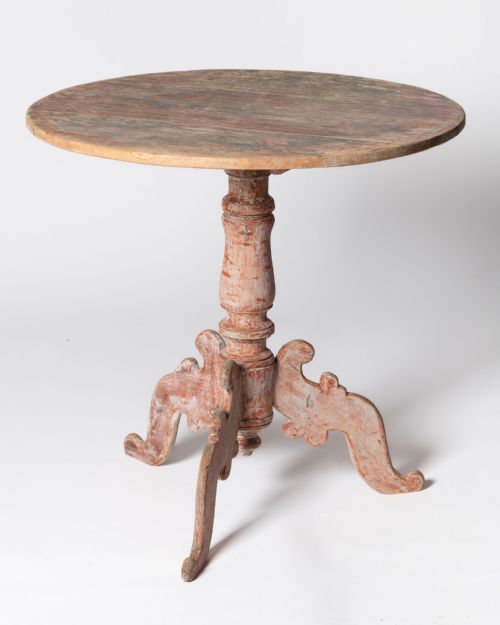
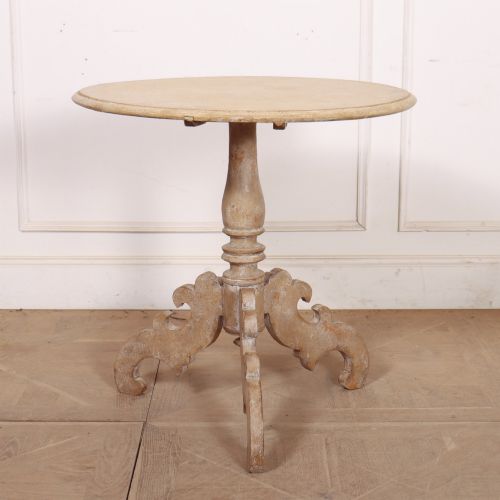
A pine tripod side table encompasses rustic country forms designed for practical everyday use in traditional homes. These pieces predominantly emerge from the nineteenth century, reflecting regional vernacular traditions across British and Scandinavian workshops.
The selections on this page heavily feature cricket tables alongside tilt top and pedestal forms. Buyers frequently encounter painted finishes or warm natural pine surfaces originating from English, Welsh, and Swedish contexts.
Materials and construction
Makers utilised sturdy pine for tops and bases, occasionally combining oak plank tops with softer pine structures. Surfaces often display historic layers of paint, ranging from muted Scandinavian tones to traditional British finishes.
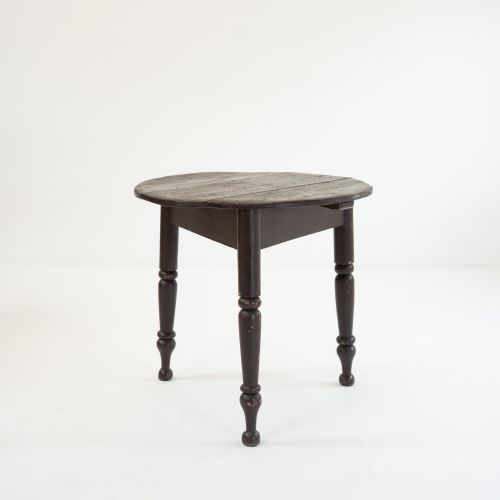
Joinery methods reflect straightforward vernacular craftsmanship, utilising three-legged tripod arrangements for stability on uneven floors. Specific examples incorporate turned components such as bobbin turned legs to add decorative detail.
Pine Tripod Side Table Retail Price Guide 2026
Typical asking prices for pine tripod side table among the pieces listed under this phrase on Sellingantiques today, from the lower quarter to the upper quarter. They describe what is for sale here now, not the wider market.
Three legs guarantee balance on uneven cottage floors, proving nature solved the wobbling table problem long before modern furniture designers tried.
Assessing quality and character
Superior examples demonstrate harmonious proportions and balanced turnings, particularly where legs meet the central support. The integrity of the timber and the depth of patination dictate the visual standing of each individual piece.
Original painted surfaces hold distinct appeal compared to stripped timber, especially when historical pigment retains natural wear and weathering. Structural honesty and minimal modern intervention elevate simpler utilitarian forms.
The Pine Tripod Side Table Glossary
- Cricket table
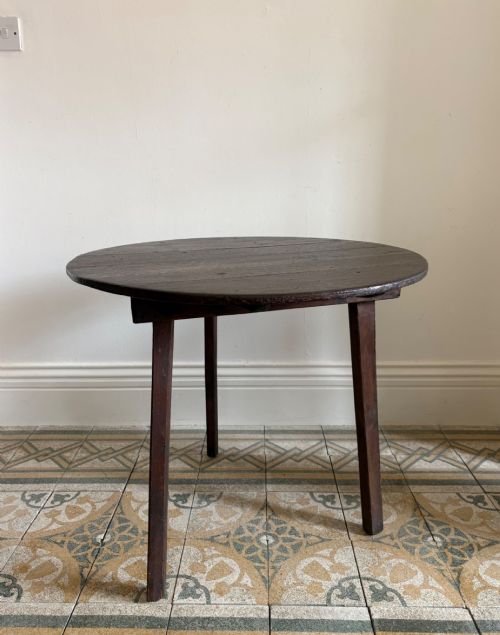
- A small occasional table featuring three legs, traditionally designed to stand steady on uneven stone floors in rural cottages. This form forms the majority of tripod tables seen here.
- Tilt top table
- A folding table mechanism allowing the surface to tip vertically for storage against a wall when not in use. This clever design saves valuable floor space in compact rooms.
- Bobbin turned
- A style of leg decoration shaped on a lathe to resemble a series of wooden bobbins or spools threaded together. It adds pleasing tactile rhythm to the silhouette.
- Vernacular
- Everyday objects made by local craftsmen using regional materials rather than following high-style academic designs. These pieces serve distinct domestic functions with unpretentious utility.
Pine Tripod Side Table: Frequently Asked Questions
What is a cricket table?
A cricket table is a traditional three-legged side table designed to remain stable on flagstone floors without rocking. The three-legged tripod format naturally finds its footing on uneven ground.
These pieces typically feature a round wooden top supported by three splayed legs. They served versatile roles in historic rural homes as small dining or working surfaces.
How do I date a pine side table?
Dating relies on examining construction marks, timber characteristics, and wear patterns accumulated over generations of use. Nineteenth-century examples often display hand-sawn board marks and traditional joinery.
Stylistic cues such as bobbin turned legs or historic painted finishes help narrow the period of origin. Comparing the piece to documented regional vernacular types confirms its likely era.
Are painted finishes original?
Many nineteenth-century tables retain historic paint layers that have mellowed with age and domestic wear. Swedish and British country pieces frequently utilised paint to protect softer pine timbers.
Distinguishing original or early paint from later decoration involves checking for craquelure, underlying timber oxidation, and natural wear patterns. Patinated paint adds significant character to country furniture.
Where were these tables made?
These side tables originate from rural workshops across Britain and Scandinavia, reflecting distinct regional building traditions. English, Welsh, and Swedish vernacular makers utilised locally available timber.
Makers built these pieces for domestic utility in farmhouses, cottages, and provincial homes. The regional origins influence whether the piece takes a stark rustic form or a painted Scandinavian profile.