


Pine Travelling Trunk
A pine travelling trunk is a sturdy box designed for journeys, offering robust storage with straightforward historical charm.
Pine Travelling Trunk
A pine travelling trunk is a durable container built for transit, predominantly originating from the Victorian period and the nineteenth century. These chests served practical journeys before modern transport made lightweight luggage standard.
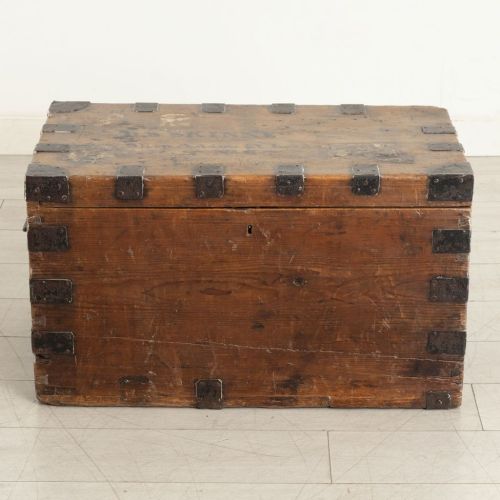
The versions most frequently found here are constructed from pine, often bearing the marks of active service such as iron or brass bindings. Examples range from simple utility boxes to military campaign pieces and domed carriage chests.
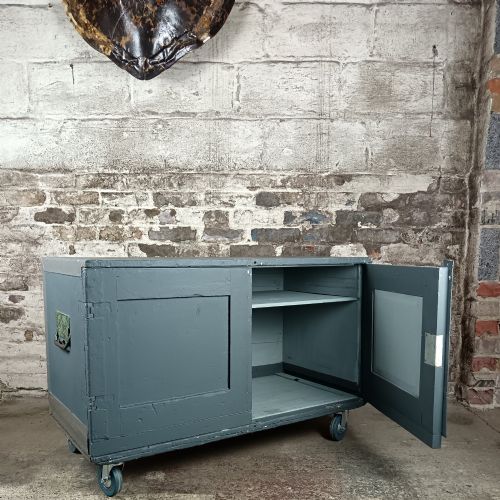
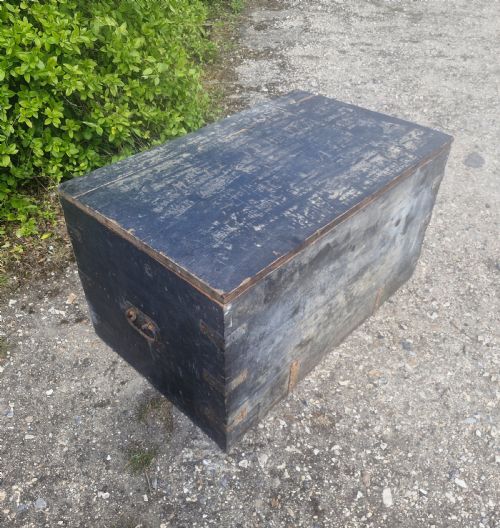
Many of these trunks display specific period characteristics, including painted finishes or internal paper linings. They provide functional storage solutions that double as characterful interior furniture.
How they were made
Makers utilised solid pine as the primary timber body, selected for its balance of workability and resilience during transit. This wood was frequently assembled into robust box forms designed to withstand rough handling.
Iron and brass hardware played a critical structural role, reinforcing corners, edges, and lids against the rigours of travel. These metal bands and mounts were secured with numerous fixings to ensure lasting stability.
Additional materials such as leather and paper were employed for handles, straps, and interior linings. Painted finishes were also applied to protect the exterior wood and provide a finished appearance.
One surviving trunk once belonged to a traveller named Jessie Degan Cole at Dawn House in Winchester.
What varies in quality
The calibre of iron or brass binding distinguishes standard utility examples from superior military campaign pieces. Heavier, more complex metalwork indicates a trunk commissioned for serious expeditionary use.
Construction details such as dovetailed joints and original hardware elevate the craftsmanship of certain chests above simpler nailed constructions. Surviving interior paper linings or maker's details add another layer of distinction.
The Pine Travelling Trunk Glossary
- Campaign chest
- A portable trunk or chest designed in sections for easy transport by military officers on active service. These pieces typically feature recessed brass handles and reinforced corners.
- Dome top
- A curved lid design that encourages water runoff during carriage travel. This form maximises internal storage capacity while shedding moisture effectively.
- Pine
- A softwood commonly used throughout the nineteenth century for utilitarian furniture and luggage. It provides a lightweight yet serviceable structure.
- Iron bound
- A method of reinforcing wooden chests using metal straps and brackets. This technique protects vulnerable edges from the impacts of travel.
Pine Travelling Trunk: Frequently Asked Questions
What were pine travelling trunks used for?
These trunks transported personal belongings, military equipment, and household goods during nineteenth-century journeys. Travellers loaded them onto carriages, trains, and ships.
Today, they serve equally well as stationary storage chests in living spaces or bedrooms. Their generous interior capacity accommodates blankets, linens, and bulky items.
How do I date a pine travelling trunk?
Dating relies on observing construction methods, hardware styles, and overall material wear. Nineteenth-century examples often exhibit hand-forged ironwork or specific Victorian stylistic traits.
Documentation such as original labels or inscriptions can also narrow down the timeframe. Comparing the construction against dated campaign or utility pieces helps confirm the era.
Are these trunks suitable for daily use?
Their original purpose demanded exceptional durability, making them well-suited for contemporary storage needs. The solid pine and metal reinforcements handle everyday loading without difficulty.
Placing them in dry indoor environments preserves the historic wood and metalwork. Regular dusting maintains the exterior finish over time.
What is the difference between utility and campaign trunks?
Utility trunks were general-purpose luggage items intended for standard domestic travel and household storage. They usually feature straightforward pine construction with basic iron bindings.
Campaign trunks were engineered specifically for military officers on the move, often incorporating sophisticated brass fittings and modular designs. These pieces prioritised maximum durability and convenience during active service.